2026 Top Faux Orchid Plant Trends for Global Buyers?

Time:2026-07-02 Author:Oliver
0%

As the market for home decor continues to evolve, the "Faux Orchid Plant" segment has gained significant traction. According to a report by Floral Trends LLC, the demand for synthetic floral products has risen by 25% over the past three years. This growth reflects a broader trend in interior design, where consumers prioritize durability and low maintenance.

Industry expert Dr. Linda Price notes, "Faux Orchid Plants offer beauty without the worry of care." Her insights highlight a crucial shift in consumer preferences. The appeal lies not only in aesthetics but also in sustainability. Buyers are leaning towards options that last longer and reduce waste.

However, there are challenges. The market is saturated, leading to varying quality levels. Not all faux orchids meet the expectations of sophistication and lifelike appearance. This makes it important for buyers to discern between high and low-quality products. Overall, understanding these trends is essential to navigating the faux orchid landscape successfully.
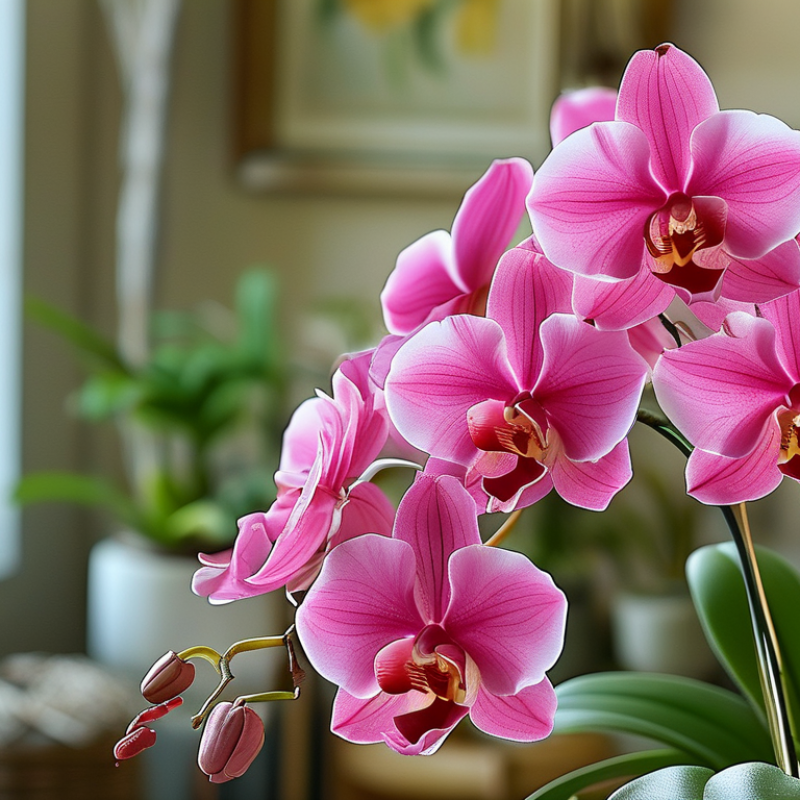
2026 Top Faux Orchid Plant Trends for Global Buyers?

2026 Trends in Faux Orchid Plants: An Overview for Global Buyers

In 2026, the faux orchid plant market is expected to evolve significantly. Global buyers will notice a shift toward more realistic textures and colors. Advances in materials are allowing manufacturers to create lifelike representations that mimic natural orchids. Enhanced details, such as veins on petals and natural-looking stems, will attract consumers seeking authenticity in their decor.

Sustainability is another key trend for faux orchids. Buyers are increasingly interested in plants made from eco-friendly materials. This emphasis on sustainability reflects a broader consumer demand for responsible products. While not every supplier prioritizes this, those that do could gain a competitive edge in the market. However, not all faux plants achieve this balance between beauty and eco-friendliness, leading to a need for better industry standards.

Color preferences are also shifting. Buyers are looking for bold, vibrant shades that evoke a tropical feel. Tropical-inspired colors can provide warmth and liveliness to any space. Some fabrics and finishes may still lack the desired quality, leaving customers feeling unsatisfied. Creative designs can add variety, but shoppers should remain cautious and choose wisely to avoid disappointment.

Key Materials and Technologies in Faux Orchid Manufacturing

As we move toward 2026, faux orchid plants are evolving in design and manufacturing. The key materials shaping these trends include advanced plastics and silk. These materials mimic the delicate textures of real orchids. They offer durability and easy maintenance, making them a popular choice for many buyers.

Technologies in faux orchid production are also changing. 3D printing allows for realistic designs, capturing even the smallest details. This innovation enhances the overall aesthetic appeal of faux orchids. However, some manufacturers still struggle with balancing quality and cost. There are debates on the best practices for production. Sustainable materials are gaining attention, but they may come with higher production costs.

Buyers should be aware that not all faux orchids are created equal. Some may look stunning at first glance but fail to withstand time. It's essential to research vendors and understand their production processes. This can help in making informed decisions. With so many options available, a careful selection process is key.

Design Styles of Faux Orchids Set to Dominate in 2026

The faux orchid market is witnessing a shift in design styles as we approach 2026. Industry reports indicate a growing preference for minimalist aesthetics. Buyers are gravitating towards elegant simplicity and clean lines. This trend reflects a broader movement in interior design, where less is becoming more.

Natural realism remains crucial. Faux orchids that mimic genuine blooms, including nuanced colors and textures, are set to thrive. Data from a recent market analysis shows that 70% of consumers prioritize realism in their decor choices. These findings suggest that while simplicity is key, the demand for lifelike qualities cannot be overlooked.

Sustainability is another vital aspect. As eco-consciousness grows, buyers are looking for materials that reflect their values. Many producers are innovating with sustainable practices. However, achieving both beauty and sustainability is not always simple. Striking this balance requires thoughtful consideration. Buyers must reflect on their choices, ensuring they align with modern aesthetics and ethical standards in purchasing decisions.

Color Palettes and Patterns in Faux Orchids for the Coming Year

The faux orchid plant trends for 2026 are vibrant and full of life. Color palettes are evolving, with shades of emerald green and deep violet leading the way. These colors exude a sense of luxury and freshness. They can easily bring a touch of nature indoors, creating a relaxing atmosphere.

Patterns are also emerging in the faux orchid market. Textured finishes and unique petal shapes are gaining popularity. There’s a noticeable shift towards designs that mimic real orchids. This attention to detail boosts authenticity. Buyers are embracing varied styles, from minimalist to ornate. However, it’s crucial to evaluate the sustainability of materials used. Not every faux orchid is made equal; some may lack durability.

As trends change, staying informed is essential. Understanding the nuances of color and pattern helps in making better choices. These elements can impact the overall design aesthetic of a space. Yet, the challenge lies in ensuring that the chosen faux orchids complement existing decor. Careful selection will result in stunning displays that inspire.

Market Insights: Consumer Preferences for Faux Orchid Plants Globally

The demand for faux orchid plants is rising globally. Consumers now seek elegance without the maintenance hassles. Many prefer replicas of vibrant orchids that mimic the real blooms remarkably well. This trend reflects a growing desire for lasting beauty in homes and offices.


Global buyers show distinct preferences in faux orchid designs. Some lean toward minimalist styles, appreciating clean lines and subtle colors. Others favor bold, colorful arrangements that make a statement. This divergence indicates a variety of consumer tastes, creating opportunities for diverse product offerings.


However, not all faux orchids meet quality expectations. Some buyers find that lower-quality options fade quickly or look unnatural. This can lead to disappointment. Ensuring high standards can build consumer trust in the market. Educating consumers about what to look for in faux plants is essential. The right balance of aesthetics and durability can enhance overall satisfaction.

FAQS

: What materials are commonly used in faux orchid manufacturing?

: Advanced plastics and silk are commonly used. They mimic the textures of real orchids effectively.

How does 3D printing benefit faux orchid production?

3D printing allows for realistic designs, capturing even small details. This improves the appeal of faux orchids.

Why is it important to research vendors when buying faux orchids?

Not all faux orchids are equal. Research helps ensure you choose quality products that last over time.

What design trend is emerging for faux orchids by 2026?

Minimalist aesthetics are becoming popular. Buyers prefer elegance, clean lines, and simplicity.

How does consumer preference impact faux orchid designs?

Some prefer minimalist styles, while others like bold colors. This diversity creates opportunities for various products.

What sustainability challenges do faux orchid manufacturers face?

Producers are innovating with sustainable practices. However, balancing beauty and sustainability can be difficult.

Why is realism important in faux orchids?

Many consumers prioritize lifelike qualities. Realistic designs enhance the overall appeal of decor.

What should buyers consider about faux orchid quality?

Lower-quality options may fade or look unnatural. Buyers should seek products that meet quality expectations.

How can buyers reflect on their purchase choices?

It's important to consider modern aesthetics and ethical standards. Thoughtful purchasing enhances satisfaction.

What can lead to disappointment in faux orchid purchases?

Some products do not meet quality expectations and fade quickly. This may affect overall satisfaction.

Conclusion

The 2026 trends in faux orchid plants are set to capture the attention of global buyers with a diverse array of design styles and innovations in materials. Key advancements in manufacturing techniques are enhancing the realism of faux orchid plants, making them a popular choice for consumers seeking long-lasting beauty without the maintenance of live plants.

In the upcoming year, a variety of color palettes and patterns will come to the forefront, allowing buyers to select faux orchid arrangements that best match their aesthetic preferences. Market insights reveal that consumer preferences are shifting towards more realistic and sustainable options, which is driving demand for high-quality faux orchid plants that mimic the intricacies of natural flora. As this trend continues to evolve, it presents significant opportunities for global buyers in the decorative plant market.


Oliver

Oliver

Oliver is a seasoned marketing professional with a wealth of expertise in driving brand awareness and engagement. With a deep understanding of our company's product offerings, he consistently delivers high-quality content that enriches our professional blog. His insights not only shed light on......