2026 Top Artificial Houseplants Trends for Global Buyers?

Time:2026-04-09 Author:Henry
0%

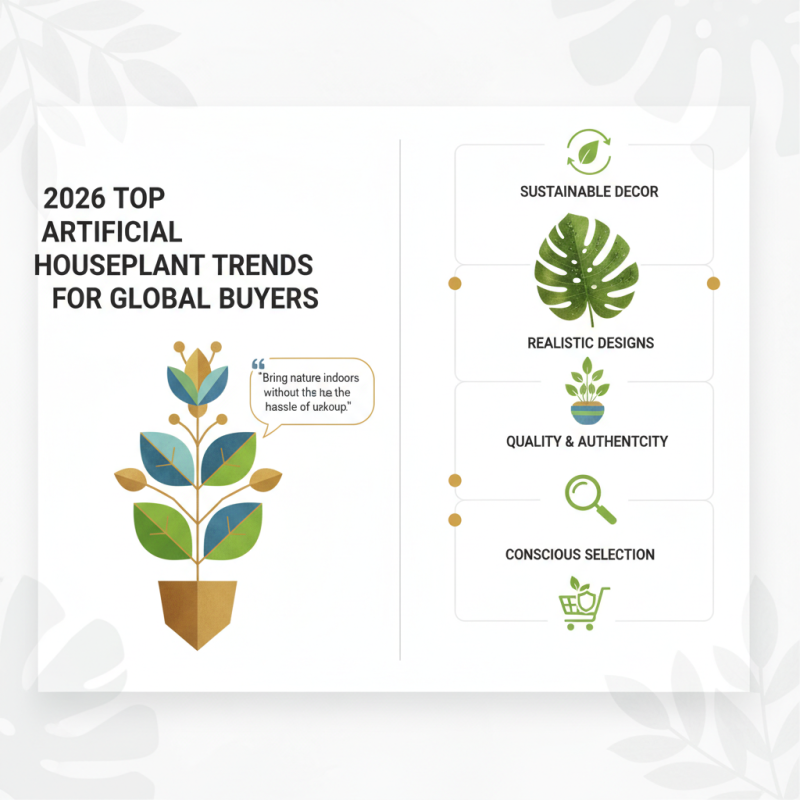
As the demand for sustainable decor grows, the 2026 trends for Artificial Houseplants are emerging. Industry expert Dr. Emily Green, a leading horticulturist, emphasizes, "Artificial houseplants bring nature indoors without the hassle of upkeep." This statement reflects a significant shift in home aesthetics. More buyers are drawn to the beauty of greenery that requires no watering or sunlight.

The evolution of artificial houseplants caters to diverse tastes and needs. Realistic designs are paramount. Buyers seek lifelike textures and colors to elevate their spaces. However, there remains a challenge. Not all artificial plants are created equal, and some may appear visibly fake. It is essential for manufacturers to focus on quality. Consumers have grown discerning and expect authenticity in their faux plants.

In this shifting landscape, transparency is crucial. Buyers should research brands and materials. They ought to question the longevity and safety of the products they purchase. While the allure of artificial houseplants is undeniable, a conscious selection process can lead to better choices. Investing in high-quality, eco-friendly options will enhance any space while supporting sustainability.
2026 Top Artificial Houseplants Trends for Global Buyers?

2026 Artificial Houseplants Trends: An Overview for Global Buyers

As the year 2026 approaches, trends in artificial houseplants are evolving in exciting ways. Buyers are increasingly looking for options that mimic nature closely. The focus is on realistic textures and vibrant colors. Not just a decorative item, these plants are becoming integral to home and office aesthetics.

Sustainability is at the forefront of buyers' minds. Eco-friendly materials are gaining traction in the artificial plant market. Many consumers prefer plants that look natural yet require no maintenance. The demand for products with a low environmental impact is on the rise.

However, not all options meet these expectations. Some products still use harmful materials that buyers should consider carefully.

Customizable designs are also gaining popularity. Shoppers want to create unique indoor spaces tailored to their tastes. Some products may lack attention to detail, affecting the overall look. Buyers should pay attention to craftsmanship and stability. As trends shift, the artificial houseplant landscape will continue to evolve, presenting new opportunities and challenges.

Sustainable Materials in Artificial Houseplant Production for 2026

As the demand for artificial houseplants continues to grow, sustainability in their production is becoming increasingly vital. A recent industry report indicates that the use of sustainable materials in artificial houseplant manufacturing is projected to rise by 35% by the year 2026. Consumers are increasingly aware of environmental issues. They seek products that not only enhance their spaces but also align with their eco-friendly values.


Biodegradable and recycled materials are leading this trend. Manufacturers are experimenting with innovative fabrics and recycled plastics that minimize environmental impact. Studies show that 70% of consumers are willing to pay more for products made from sustainable materials. This shift towards eco-responsibility reflects a broader movement in various industries. However, one challenge remains: finding the balance between aesthetic appeal and sustainability.


Furthermore, the pursuit of sustainable artificial houseplants is not without its hurdles. The variety of materials available can complicate production processes. Many manufacturers struggle with sourcing high-quality recycled inputs. Ultimately, clear labeling of sustainable practices will help buyers navigate their options more effectively. As we move towards 2026, the conversation about sustainability will only deepen in the artificial houseplant market.

Innovative Designs: The Rise of Realistic Artificial Houseplants

The trend of realistic artificial houseplants is captivating global buyers in 2026. Innovative designs showcase lifelike textures and vibrant colors that mimic real plants. These advancements in manufacturing allow for exceptional detail, enhancing the aesthetic of any space. Customers seek plants that look genuine, even upon closer inspection. This desire for realism reflects a growing demand for low-maintenance greenery.

Many consumers appreciate that these artificial plants require no watering or sunlight. They are perfect for busy lifestyles. However, some people express concerns about the environmental impact of synthetic materials. Addressing these concerns is essential for maintaining trust and credibility in the market. Manufacturers must consider sustainable options in their designs.

Additionally, some buyers admit to having difficulty distinguishing between high-quality and low-quality products. The market is saturated with choices, making it challenging to make confident decisions. Educational resources can help consumers navigate through options. Therefore, fostering a community of informed buyers is crucial for the continued success of realistic artificial houseplants.

2026 Top Artificial Houseplants Trends

This chart illustrates the projected popularity of various types of realistic artificial houseplants based on current market trends. As global buyers seek innovative designs, we can observe a significant rise in preferences for specific plant types over the next few years.

Color Palette Trends: What to Expect in Artificial Houseplants for 2026

As we look towards 2026, the color palette for artificial houseplants is poised to captivate global buyers. Expect soft pastel shades, earthy tones, and rich jewel hues. These colors evoke nature's tranquility while allowing for creativity in interior design. Designers predict a shift towards colors that promote wellness and warmth, making living spaces feel more inviting.

Tips: When selecting colors, consider your home’s current palette. A carefully curated choice enhances harmony within your space. Mixing soft greens with warm terracotta works beautifully, creating a seamless transition between decor styles.

The importance of authenticity in color cannot be overstated. Buyers should look for shades that mimic the real counterparts. A faux plant in a vibrant orange may stand out, but it can clash with neutral settings. Think about balance and harmony. Reflecting nature's beauty requires attention to detail, even in artificial designs.

Experimentation is key in the selection process. While trends offer guidelines, personal preference should lead your choices. A mismatched plant might spark unexpected color inspiration. Trust your instincts; allow your space to narrate a unique style story.

Consumer Preferences: The Impact of Lifestyle on Artificial Plant Choices

In recent years, consumer preferences for artificial houseplants have significantly evolved. Many buyers are seeking eco-friendly options that blend seamlessly into their lifestyles. Minimalism has gained traction, leading individuals to select plants that require minimal care. Likewise, the design of these plants has become more sophisticated. Buyers now look for realistic textures and colors to enhance their living spaces.

The increasing focus on health and well-being also influences choices in artificial greenery. Many consumers want plants that create a calming environment. Hence, elements like biophilic design are becoming popular. Practical aspects matter too; durability and ease of maintenance are crucial for busy individuals. However, some may feel pressure to conform to trends. This often leads to impulse buys that don't align with personal taste or space constraints.

While many buyers enjoy the aesthetic appeal of artificial plants, some struggle with authenticity. It's not uncommon for individuals to miss the organic aspect of real plants. Reflection on these choices can lead to greater satisfaction in their home decor. Buyers are encouraged to find a balance between trends and personal expression.

FAQS

: What are the current trends in artificial houseplants for 2026?

: Buyers prefer realistic textures, vibrant colors, and eco-friendly materials. Sustainability is a key focus.

Why are eco-friendly materials important?

Consumers are increasingly concerned about the environment. They seek items that have a low environmental impact.

How can I customize my artificial houseplants?

Look for options that allow personalization. You can create unique spaces that reflect your style.

What color trends should I expect in 2026?

Soft pastels, earthy tones, and jewel hues will be popular. These colors promote tranquility and warmth.

How do I choose colors that match my decor?

Consider your existing color palette. Mixing soft greens with terracotta can create a harmonious look.

Why is authenticity in color important?

Authentic colors mimic nature. Choosing the wrong hues can create visual clashes in your decor.

What should I pay attention to when buying artificial plants?

Check for craftsmanship and stability. Some products may lack detail, affecting their overall appearance.

Can experimenting with colors lead to better choices?

Yes. Personal preference is crucial. A mismatched plant might inspire creative solutions in your design.

What should I be cautious about when selecting artificial plants?

Not all options are made from safe materials. Be vigilant about what goes into your chosen products.

How can I enhance my living space with artificial plants?

Choose plants that reflect nature. A well-chosen piece can elevate the aesthetic of your home.

Conclusion

The article titled "2026 Top Artificial Houseplants Trends for Global Buyers" outlines key trends shaping the artificial houseplants market in the coming years. It highlights the increasing use of sustainable materials in the production of artificial houseplants, reflecting a growing consumer preference for environmentally friendly options. Additionally, innovative designs are emerging, leading to more realistic artificial houseplants that can easily blend into home décor.

Color palette trends are also noted, with expectations for vibrant and varied hues that cater to diverse consumer tastes. The article emphasizes that lifestyle choices significantly influence consumer preferences, driving demand for specific styles and types of artificial plants. Overall, the trends for 2026 suggest a dynamic and evolving market for artificial houseplants, where sustainability, realism, and personalization are at the forefront.


Henry

Henry

Henry is a dedicated marketing professional with a profound expertise in the company's offerings. With years of experience in the industry, he possesses an impressive understanding of the market dynamics and consumer behaviors that drive success. Henry is committed to sharing his insights through......