In the realm of artificial flowers, the trend of artificial roses has gained considerable attention. As buyers look for exquisite yet low-maintenance options, artificial roses stand out for their beauty and longevity. Industry expert Dr. Emma Hartley, a leading figure in floral innovation, states, “The craftsmanship behind artificial roses is evolving, making them more lifelike than ever before.”
The global market is seeing a surge in demand for high-quality artificial roses. These products cater to consumers seeking elegance without the hassle of upkeep. Innovations in materials have contributed to their growing popularity. However, there are challenges in ensuring these roses maintain a realistic appearance over time.
As we look toward 2026, understanding these trends becomes crucial for buyers. The color palettes, textures, and designs are shifting. Brands must adapt to consumer preferences while navigating sustainability concerns. Artificial roses are not just imitation flowers; they represent a blend of art and technology. Reflecting on their evolution can shed light on the future of floral décor.
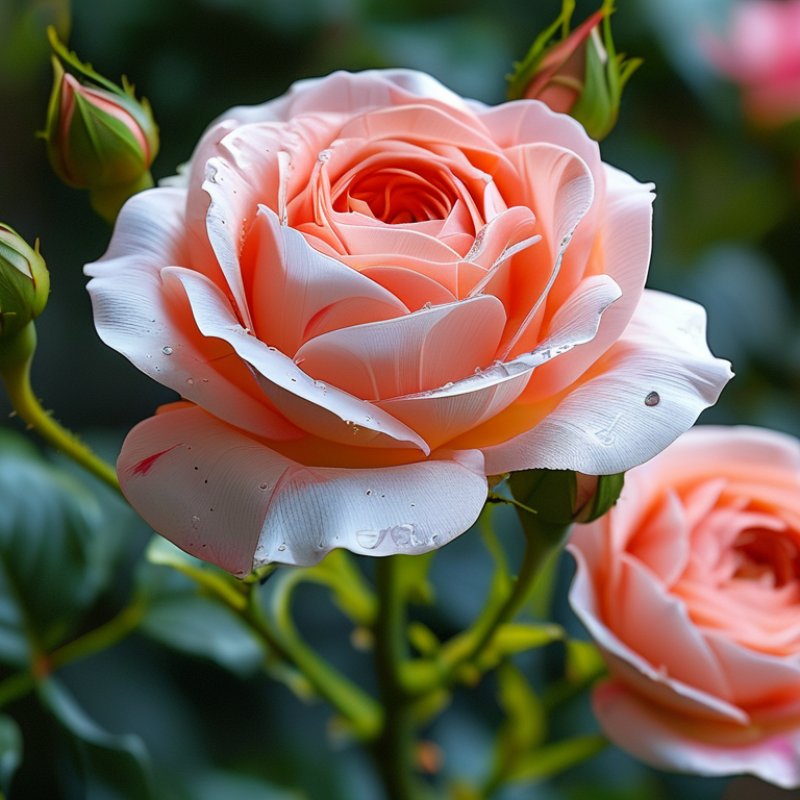
The artificial rose market is blossoming, with significant growth expected by 2026. Consumers are increasingly drawn to these floral alternatives due to their longevity and convenience. Unlike natural flowers, artificial roses offer vibrant colors and a pristine appearance that does not wilt over time. This trend reflects a shift in consumer preferences, where aesthetics often outweigh practical considerations.
Market projections indicate a surge in demand as the global market adapts. More people embrace home décor trends that incorporate these everlasting flowers. Online shopping advancements make these products more accessible. However, not all artificial roses are created equal. Many buyers may find themselves disappointed with lesser-quality items that lack realism. This underscores the importance of choosing reputable sellers and understanding the materials used.
The growth of this market also warrants reflection. As artificial roses gain popularity, what impact does this have on the environment and the floral industry? While they reduce waste associated with dying flowers, the materials used raise questions about sustainability. There is a delicate balance between enjoying beautiful, lasting blooms and ensuring responsible consumption. Understanding these nuances is vital for today’s buyers.
| Trend | Description | Expected Growth Rate (%) | Key Markets |
|---|---|---|---|
| Eco-Friendly Materials | Growing demand for sustainable artificial roses made from recycled materials. | 15% | North America, Europe |
| Customization Options | Increased demand for personalized designs and colors for special events. | 20% | Asia-Pacific, Middle East |
| Technological Innovations | Adoption of advanced manufacturing technologies for improved quality. | 12% | Global |
| Online Retail Growth | Shift towards e-commerce platforms for increased accessibility. | 18% | Worldwide |
| Luxury Segment Growth | Increase in high-end artificial rose products for premium buyers. | 17% | Europe, North America |
: Consumers prefer the longevity and convenience of artificial roses over natural ones.
Artificial roses maintain vibrant colors and do not wilt, making them appealing for décor.
Silk and polymer blends are trending for their durability and realistic look.
Yes, many consumers prefer sustainable options, like recycled plastics and biodegradable materials.
The high cost of eco-friendly raw materials can deter some companies from transitioning.
Buyers seek personalization, such as unique colors and textures, requiring manufacturers to adapt.
They reduce waste from dying flowers, but the materials used can pose sustainability questions.
It helps them understand the benefits and encourages wider adoption of eco-friendly practices.
Using biodegradable packaging can reduce waste and meet consumer demand for sustainable products.
Manufacturers must find ways to keep costs manageable while improving eco-friendly practices.
The upcoming trends in artificial roses highlight a significant growth in the market, anticipated to reach new heights by 2026. As consumer preferences evolve, innovative materials are being developed to enhance the appeal and realism of artificial roses. This shift not only meets the aesthetic demands of buyers but also aligns with increasing sustainability concerns, as eco-friendly practices become a priority within the industry.
Regional markets around the world are shaping the landscape of artificial roses, each exhibiting unique preferences and demands. Furthermore, technological advancements are playing a crucial role in improving the quality and longevity of these products, making artificial roses an attractive alternative for consumers. With such dynamic changes taking place, the artificial rose industry is poised for a transformative decade ahead.

 Senmao garden