In recent years, the demand for Artificial Flower Bulk products has surged globally. Industry expert Dr. Emily Hart, a renowned floral designer, emphasizes, "Bulk artificial flowers offer endless creative possibilities at an affordable cost." This statement reflects the growing trend among buyers looking to enhance their spaces with versatile and cost-effective floral solutions.
The market for Artificial Flower Bulk options is diverse. Buyers can find a variety of materials, styles, and colors to suit their needs. High-quality synthetic flowers provide long-lasting beauty without the maintenance real blooms require. However, not all bulk options are created equal. Selecting the right supplier is crucial to ensure authenticity in quality and design.
Yet, not every buyer may find their ideal match. Some may struggle to differentiate between premium and low-quality products. It’s essential to research suppliers and read reviews to avoid unwelcome surprises. With informed choices, one can successfully navigate the vibrant world of Artificial Flower Bulk arrangements, opening doors to creativity and personalization in decor.
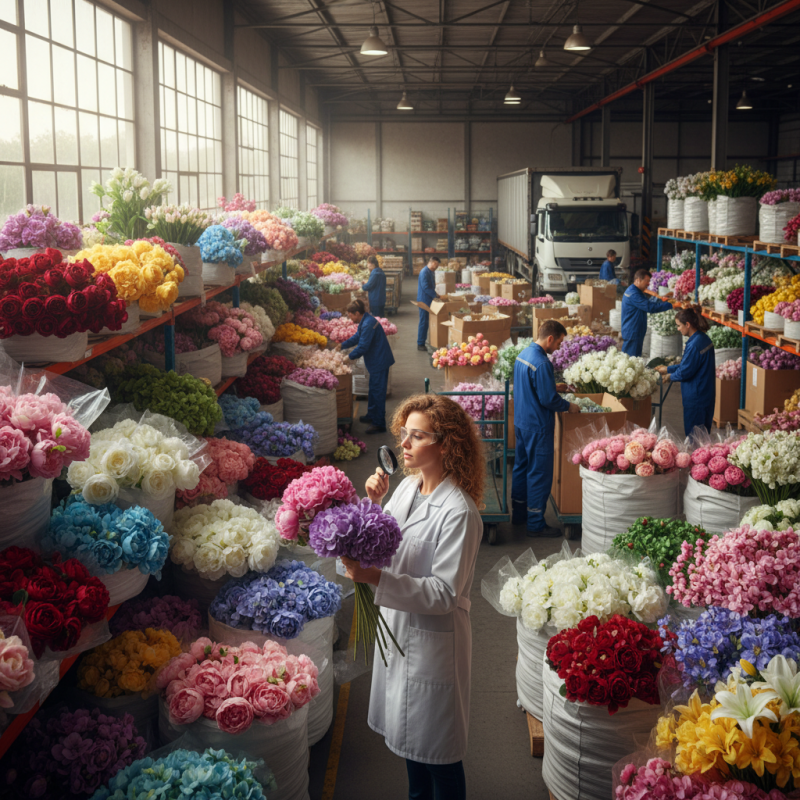
Overview of Artificial Flowers and Their Benefits
Artificial flowers have gained popularity due to their numerous benefits. They offer a vibrant and everlasting beauty that cannot be overlooked. These flowers require no water, sunlight, or care, making them ideal for busy lifestyles. They maintain their appearance throughout the year, unlike natural blooms that wilt and fade.
Moreover, they are a practical choice for those with allergies. Many people suffer from pollen-related sensitivities. Artificial flowers eliminate this issue entirely. They are made from various materials, often replicating the look of fresh flowers with impressive detail. This enables unique arrangements for weddings, events, or everyday home decor.
However, there are challenges in selecting the right artificial flowers. The market is filled with options, which can be overwhelming. Users must be mindful of quality and authenticity. Some cheaper versions may look tacky or unrealistic. It's essential to invest in high-quality artificial flowers that evoke the true essence of nature. Balancing quality and budget is often a complex reflection for many buyers.
Key Factors to Consider When Buying Bulk Artificial Flowers
When considering bulk artificial flowers, quality and variety are paramount. Recent industry reports indicate that the demand for high-quality artificial flowers is rapidly increasing, with a projected annual growth rate of 10% through 2026. Buyers should examine materials used in production. Silk and polyester remain the top choices for durability and realism.
Color accuracy is another critical factor. Recent studies show that about 75% of consumers prefer vibrant, life-like colors in their bulk purchases. Evaluating the overall design and attention to detail is essential. Imperfections can appear more realistic, but excessive flaws can detract from the product's appeal.
The sourcing of flowers also warrants attention. Many suppliers rely on sustainable practices. This focus not only meets consumer demand for eco-friendly products but also encourages responsible production. Evaluating a supplier’s commitment to sustainability can reflect their reliability and integrity. For buyers, making informed decisions by considering these factors can lead to higher satisfaction and fewer returns.
Top Global Suppliers of Artificial Flowers in 2026
As the demand for artificial flowers continues to rise, the role of top global suppliers becomes crucial. A recent industry report indicates that the artificial flower market is expected to reach approximately $9 billion by 2026. This growth is largely attributed to the increased popularity of home decor and event decoration. Buyers are particularly interested in purchasing bulk flowers to meet this growing demand.
Suppliers around the world are diversifying their offerings. They are focusing on sustainable materials and realistic designs that can cater to various consumer preferences. Studies show that over 65% of buyers prioritize environmental impact when making purchasing decisions. This shift reflects a broader trend towards eco-friendly products in various markets. Consequently, suppliers must adapt quickly to meet these expectations.
However, the industry faces challenges, such as maintaining product quality while scaling up production. Many suppliers grapple with sourcing reliable materials and ensuring consistency. The importance of customer feedback is highlighted here; it can provide invaluable insights. Addressing quality concerns is essential for long-term success in a competitive market landscape. As the industry evolves, the reliance on strong supplier relationships will be increasingly important for global buyers.
2026 Best Artificial Flower Bulk Options for Global Buyers
Popular Types of Artificial Flowers for Bulk Purchases
As the demand for artificial flowers rises, buyers show interest in various types. Bulk purchases provide cost-effective solutions for events, weddings, and home décor. According to industry reports, the global artificial flowers market is projected to reach $3 billion by 2026, driven by sustainability trends and the rise of decorative trends.
Popular types include silk flowers, foam flowers, and plastic flowers. Silk flowers offer realistic textures, making them appealing for upscale arrangements. Foam flowers, on the other hand, are lightweight and versatile, perfect for intricate designs. Industry data indicates that foam flowers have gained a 45% share due to their durability and ease of handling. However, these choices aren’t without their drawbacks.
While popularity is key, assessing quality is crucial. Some products may fade easily or lose shape over time. Buyers should seek suppliers that prioritize quality materials. Investing in artificial flowers should reflect both aesthetics and durability. Balancing cost with quality requires careful consideration of supplier reliability and product specifications.
2026 Best Artificial Flower Bulk Options for Global Buyers
| Flower Type |
Material |
Color Options |
Common Uses |
Average Bulk Price (per 100 pieces) |
| Roses |
Silk |
Red, Pink, White |
Weddings, Events |
$50 |
| Tulips |
Latex |
Yellow, Pink, Purple |
Home Decor, Gifts |
$40 |
| Daisies |
Fabric |
White, Yellow |
Crafting, Bouquets |
$30 |
| Lavender |
Plastic |
Purple, Blue |
Aromatherapy, Decoration |
$45 |
| Peonies |
Polyester |
Burgundy, Blush |
Wedding Bouquets, Centerpieces |
$60 |
Trends in Artificial Flower Design and Sustainability for 2026
As we approach 2026, the trends in artificial flower design are evolving significantly. Sustainability is at the forefront of this transformation. Recent industry reports highlight that 70% of consumers now prefer eco-friendly products. Artificial flowers are increasingly made from recycled materials. This shift caters to the growing demand for products that minimize environmental impact.
Innovative designs are emerging, focusing on realism and texture. However, achieving this realism while maintaining sustainability poses challenges. Many manufacturers struggle to balance aesthetics with eco-conscious materials. Research indicates that the global market for artificial flowers is expected to reach $3.5 billion by 2026. This growth reflects an ongoing interest in decor that is both beautiful and durable.
Furthermore, the sourcing of sustainable materials is critical. Some companies still rely on non-biodegradable plastics. This reliance can undermine sustainability efforts. The industry must rethink its practices. Collaboration between designers and environmental experts could drive meaningful change. Creating awareness about eco-friendly options is a necessity as we move forward in this space.
Conclusion
The article "2026 Best Artificial Flower Bulk Options for Global Buyers" provides a comprehensive overview of the benefits and considerations when purchasing artificial flowers in bulk. It highlights the various factors that buyers should consider, such as quality, design, and sustainability. The piece also outlines the top global suppliers anticipated in 2026 and delves into the most popular types of artificial flowers for bulk purchases, catering to diverse aesthetic preferences and budget ranges.
Additionally, the article discusses emerging trends in artificial flower design and sustainability, emphasizing the growing importance of eco-friendly materials and practices in the industry. Buyers looking to invest in Artificial Flower Bulk for events, retail, or personal use will find valuable insights throughout the article, ensuring informed decisions that align with current market trends and consumer demands.

 Senmao garden