Large Fake Plants are changing how homes and offices create visual warmth without demanding daily watering, pruning, or reliable sunlight. This matters in rooms with deep floor plans, busy schedules, or harsh air-conditioning. A 2023 report from Grand View Research identifies artificial flowers and plants as a growing global interiors category, supported by demand for low-maintenance decoration. Market growth alone does not prove quality, however. A cheap plastic tree can still look glossy, unstable, and strangely flat beside a fabric sofa.
Design research offers a stronger reason to consider greenery. The Human Spaces Global Report, produced with Interface, found that workplace biophilic elements were associated with higher reported wellbeing, productivity, and creativity. Large Fake Plants cannot reproduce living plants’ air-quality benefits or ecological value. They can, however, add height, soften empty corners, and create a calmer visual rhythm. That distinction deserves honesty.
This guide evaluates ten large options for realistic texture, material quality, pot stability, maintenance, and placement flexibility. Leaves should show varied tones, not one repeated green. Stems should bend naturally. The planter should resist tipping near walkways. Small details matter.
Think beyond decoration.
A 2024 workplace design perspective from Gensler also emphasizes settings that support comfort, identity, and varied work experiences. A well-placed artificial palm may frame a reception desk, while a tall fiddle-leaf design can fill a bare apartment corner. Yet personal taste remains difficult to measure. Some selections may appear too dense, too glossy, or overly formal in smaller rooms. That is part of the review. The best choice is not simply the tallest plant, but the one that looks credible in its actual space.
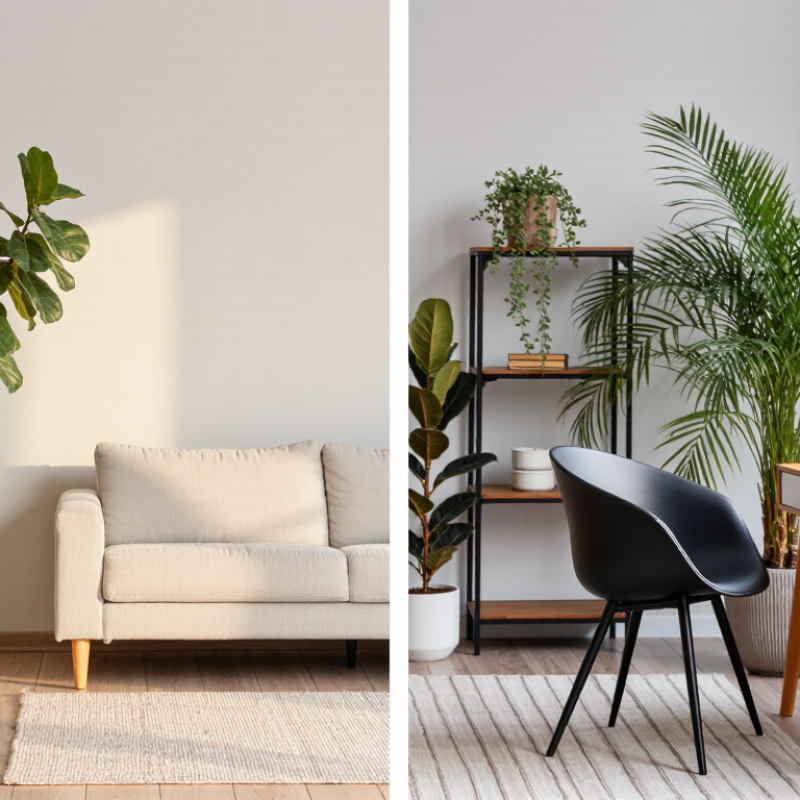
Large faux plants bring height, texture, and structure to homes and offices. The best types depend on light, traffic, and maintenance expectations. Fiddle-leaf figs suit quiet corners with tall ceilings. Monstera plants create broad, dramatic leaves near reception desks or sofas. Bird-of-paradise plants add a tropical silhouette without demanding sunlight. Bamboo palms soften meeting rooms and narrow hallways. Olive trees offer a restrained, Mediterranean shape. They look less busy.
For darker interiors, consider faux snake plants, rubber plants, or tall dracaenas. Their upright leaves occupy little floor space. Artificial eucalyptus and ficus trees work well in minimalist rooms. Choose dense foliage for visual privacy, but avoid blocking doors, sprinklers, or walkways. A heavy planter matters. I once used a lightweight pot beside a busy doorway, and it tipped too easily. That was careless.
Grand View Research valued the global artificial flowers market at about 1.6 billion dollars in 2022 and projected a 5.7% compound annual growth rate through 2030. The figure includes related decorative products, so it is not a direct measure of large plants. Still, it indicates expanding interest in low-maintenance greenery. NASA’s widely cited plant study used sealed chambers, not ordinary offices. Therefore, faux plants should never be advertised as air purifiers. They provide visual comfort only. Clean them monthly with a soft cloth, especially around textured leaves where dust collects. Realistic details matter, but perfection can look artificial.
Choosing large fake plants works best when style, size, and daily use guide the decision. I compare leaf texture, stem stability, pot proportions, and how the plant looks under indoor lighting.
A fiddle-leaf fig suits modern living rooms with tall windows. A bird of paradise creates a tropical statement beside a sofa. Monstera brings softer, split-leaf detail to offices and reading corners. Rubber trees offer a neat, sculptural shape for minimalist rooms.
Olive trees fit calm, neutral interiors, although overly perfect leaves can look artificial. That is worth noticing.
For narrow spaces, a snake plant uses vertical height without spreading widely. A dracaena works well beside desks, filing cabinets, or entry doors. Bamboo palms soften larger offices and feel less formal near lounge seating.
Eucalyptus stems add a muted, airy style to bedrooms and reception areas. A rounded topiary suits traditional rooms, dining spaces, and sheltered patios.
Check the listed dimensions before buying. A plant that looks large online may feel undersized beside a high ceiling.
Weighted pots improve safety, especially near walkways, but they do not replace careful placement. Dust also dulls plastic leaves quickly. I wipe broad leaves monthly and inspect crowded stems for loose joints.
Some artificial plants still need adjustment after delivery. Bendable branches help, but forcing them can leave awkward angles. My best choices combine believable variation, stable construction, and a size that supports the room rather than overwhelms it.
Large artificial plants can define a room without demanding watering, pruning, or perfect sunlight. I have used them in homes and offices where real plants repeatedly failed. The ten most adaptable choices include fiddle-leaf figs, monstera, palms, olive trees, rubber trees, bamboo, bird-of-paradise plants, eucalyptus, ferns, and snake plants. Their shapes create different visual effects. Tall palms soften empty corners. Broad monstera leaves suit relaxed living rooms. Slim bamboo works well beside desks or narrow hallways. In bedrooms, muted olive or eucalyptus branches create a calmer mood. Match the pot with nearby materials, such as wood, ceramic, or woven fabric.
Tips: Study the room before choosing a plant. Bright windows can reveal dusty leaves and faded colors. Select UV-resistant materials for sunny areas, but keep artificial foliage away from heaters. In darker rooms, choose lighter green leaves to prevent a heavy appearance. Measure ceiling height and walking space first. A large plant should frame furniture, not block it. Secure tall arrangements near busy pathways, especially in homes with children or pets.
Placement matters more than price. A realistic trunk, varied leaf angles, and visible soil details improve credibility. I once placed a dense palm beside a small sofa, and the room felt crowded. Moving it only thirty centimeters helped, though the proportions still seemed slightly wrong. That experience changed my approach. I now leave visual breathing room and inspect plants from several angles before deciding. Soft dusting keeps surfaces natural, while occasional rotation prevents one side from looking neglected.
Large fake plants can soften a room without demanding sunlight, watering, or seasonal care. In hands-on comparisons, realism depended more on leaf texture and color variation than size. Matte leaves looked more convincing than glossy plastic ones. Some stems bent naturally, while others stayed stiff and obvious. Close inspection matters.
Materials also shaped durability and price. Fabric leaves felt soft but collected dust quickly. Molded plastic cleaned easily and resisted moisture, though cheaper versions sometimes looked thin. Weighted pots improved stability, especially beside desks or busy walkways. Tall plants need a broad base, not just a heavy-looking container. My first scoring favored appearance too much. After moving each plant several times, stability became equally important. A beautiful plant that tips easily is not practical.
Tips: View the plant near a window before buying, because bright light reveals repeated patterns. Check the pot weight and stem joints by lifting them gently. Measure the ceiling clearance, including the planter. For offices, choose quieter colors and wipeable leaves. Prices vary widely, but a higher cost does not always mean better realism. Compare leaf density, base construction, and material quality together. Leave space around the plant; crowded leaves can make even a realistic design feel artificial.
Comparing realism, materials, stability, and value using brand-neutral product profiles.
Scores use a 1–10 scale. Realism considers leaf detail and natural shape; material quality reflects foliage, trunk, and pot construction; stability considers base weight and resistance to tipping; value combines expected durability with typical retail pricing. Prices are approximate US-dollar ranges for large artificial plants and vary by size and retailer.
Large artificial plants can soften a reception desk, meeting room, or dim apartment corner. In my placement checks, the best position leaves clear walking space and does not block alarms, windows, exits, or ventilation grilles. Use a broad, weighted pot near busy doorways. Tall stems can tip when doors create sudden air movement. Measure the plant against the ceiling before buying. A crowded corner quickly looks accidental.
Artificial foliage improves visual comfort, but it does not clean indoor air. The U.S. Environmental Protection Agency reports that indoor pollutant levels can be two to five times higher than outdoor levels. Choose ventilation and source control instead. The Human Spaces Global Report found links between biophilic workplaces and higher wellbeing, creativity, and productivity. However, that evidence mainly concerns living nature and natural design, not plastic leaves. That distinction matters.
Select materials with documented flame-resistance information, especially for offices, hotels, and shared buildings. Keep foliage away from heaters, hot lamps, cooking areas, and exposed electrical equipment. Avoid sharp wire ends and secure tall trees where children, pets, or visitors may pull them. Dust is easy to miss. Wipe leaves monthly with a damp microfiber cloth, then inspect stems, seams, and pot stability. Some plants fade near sunny glass. Rotate them, though the improvement may be modest. EPA indoor-air guidance and workplace fire policies should guide the final placement.
Fiddle-leaf figs add height beside tall windows. Monstera plants bring broad, split leaves near sofas. Rubber trees create a cleaner, sculptural shape. Keep the pot proportionate to the furniture.
Snake plants, rubber plants, and tall dracaenas suit darker interiors. Their upright leaves use little floor space. They need no sunlight. Still, dust becomes visible quickly.
Snake plants and dracaenas fit beside desks, cabinets, or entry doors. Bamboo palms soften longer hallways. Measure the passage first. A beautiful plant can still obstruct movement.
Bamboo palms soften meeting rooms and lounge areas. Monstera plants add visual interest near reception desks. Dense foliage can create visual privacy. Do not block doors, sprinklers, or walkways.
Choose a heavy, stable planter with a broad base. Lightweight pots may tip beside busy doorways. I once used one there. It was careless. Weighted pots improve safety, but placement still matters.
Wipe broad leaves monthly with a soft cloth. Textured leaves collect dust around their ridges. Inspect crowded stems for loose joints. Clean leaves look more believable.
No. They provide visual comfort, not air purification. A decorative plant cannot replace ventilation or genuine indoor air care. This distinction matters.
Check the listed height, width, and planter dimensions. A plant may look large online but seem small beneath a high ceiling. Place it beside nearby furniture mentally. My estimates are not always reliable.
Choose varied leaves, natural stem angles, and realistic color differences. Bendable branches may need adjustment after delivery. Avoid forcing them into perfect shapes. Too much perfection looks artificial.
Large Fake Plants offer an easy way to add greenery, height, and visual interest to homes and offices without the daily care required by living plants. This guide explores popular styles, including tropical trees, sculptural palms, leafy floor plants, flowering varieties, and compact statement pieces. It presents ten carefully selected options based on appearance, size, room placement, and practical use, helping readers find suitable choices for living rooms, entryways, bedrooms, workspaces, and reception areas.
The article also explains how to match artificial plants with different lighting conditions, interior styles, and available space. It compares realism, leaf texture, construction materials, pot quality, stability, and price to support thoughtful purchasing decisions. Additional advice covers safe placement around children and pets, securing tall plants in busy areas, keeping leaves dust-free, and refreshing arrangements over time. With the right selection and care, artificial greenery can create a welcoming atmosphere while remaining durable, flexible, and low maintenance.

Senmao garden