What Are the Best Little Fake Plants in 2026?

Time:2026-11-22 Author:Aria
0%

Small artificial greenery can solve a real decorating problem: adding a touch of green where sunlight, space, or regular watering is limited. Grand View Research estimated the global artificial plants market at approximately USD 1.69 billion in 2023 and projected a 4.5% compound annual growth rate from 2024 to 2030. Its Artificial Plants Market Size, Share & Trends Analysis Report covers the wider category, not miniature plants alone. That distinction matters. A market forecast signals commercial interest, but it cannot tell you whether a tiny fern looks convincing on your desk. Scale matters.

This guide looks at Little Fake Plants through practical details: leaf color, surface texture, pot size, stability, and how each piece appears at arm’s length. We’ll consider options for narrow shelves, office corners, bathrooms, and other spots where real plants may struggle. Close-up photos can be helpful, but they may hide shiny leaves or an undersized pot. Check product dimensions and materials before buying, and compare several views when available. No small faux plant is perfect. Some look charming from across a room and less convincing up close. That’s worth saying. The aim is not to promise a lifelike miniature garden, but to help you choose a piece that suits your space, budget, and expectations.
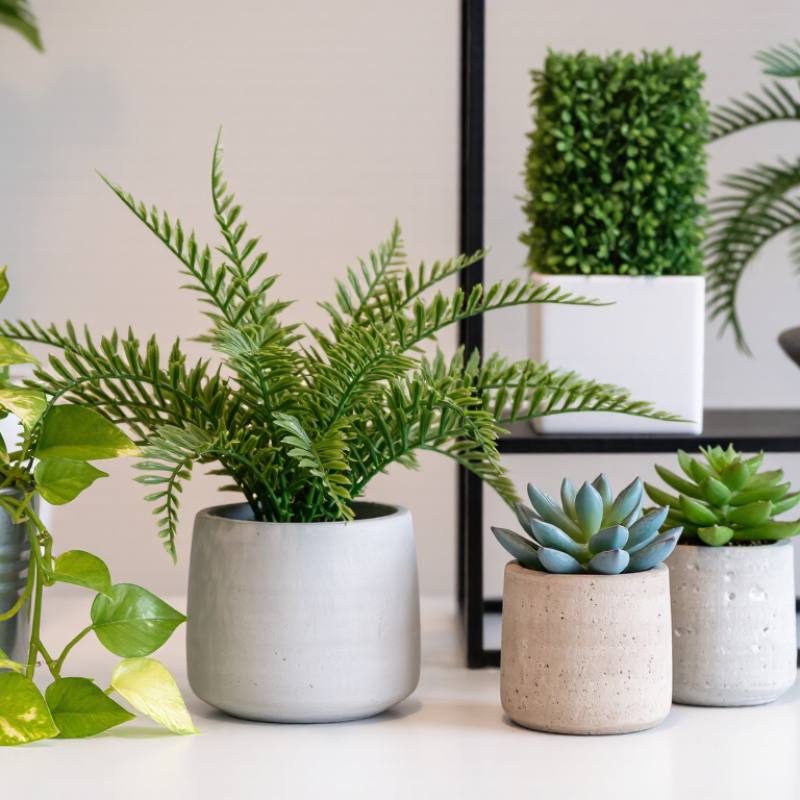
What Are the Best Little Fake Plants in 2026?

What Qualifies as a Little Fake Plant?

A little fake plant is defined more by its footprint than by a product label. For a desk, it should leave room for a mug, notebook, and moving hands. On a narrow shelf, a compact pot and restrained leaves keep the arrangement from feeling crowded. Scale matters. Measure the full height, including the container, before choosing a spot. A plant can be small yet visually heavy if its leaves are dense or glossy.

Tips: Measure the display area, then compare it with the plant’s total height and width. Check leaf color in daylight; very shiny surfaces can look less convincing near a window. Choose a stable pot if the plant will sit near a desk edge. A little spacing around the leaves helps it look intentional.

Good small faux plants have clear, varied leaf shapes and stems that do not look tightly repeated. Look closely at the joins and the surface texture. These details are easier to notice up close than in a product photo. Some imitation foliage still looks artificial, and that is not always a dealbreaker. A simple silhouette may suit a busy shelf better than a highly detailed plant. Dust also settles on small leaves, so choose a shape you can clean without bending it out of form.

How to Judge the Quality of Small Artificial Plants

A small artificial plant should look convincing from a few inches away, not only in a product photo. Check leaf edges for clean cuts, consistent color, and visible veins. Look closely. Plastic leaves that feel brittle or glossy may catch light unnaturally; fabric leaves should not shed fibers when gently brushed. Turn the pot over, too. A stable base and tidy stem attachments matter, especially on a narrow desk or windowsill. Grand View Research estimated the global artificial plants market at USD 1.69 billion in 2023 and projected 4.5% annual growth from 2024 to 2030. That market estimate signals demand, not product quality, so judge each piece directly.

Compare several leaves rather than inspecting just one. Real plants have small variations, while identical shapes repeated across a tiny arrangement can make it look mass-produced. Check whether stems bend and hold their position without exposing wire or leaving pale stress marks. For a plant near a bright window, ask the seller for specific UV-resistance information; “fade-resistant” alone is vague. Check the base. A heavier pot can prevent tipping, but added weight does not prove better foliage. Color judgment is imperfect: warm indoor bulbs can make green plastic appear more natural than it will in daylight. If possible, inspect the plant beside a window and from normal seated distance.

What Are the Best Little Fake Plants in 2026? - How to Judge the Quality of Small Artificial Plants

Small Plant Type Typical Size What a Quality Version Looks Like Best Use Care and Durability Quality Rating*
Succulent rosette 2–5 in. (5–13 cm) tall Leaves have varied shapes and tones, with a natural-looking matte finish and no obvious glue marks. Desks, shelves, small pots, and bright-looking arrangements Easy to dust; keep away from prolonged direct sunlight, which can fade plastic. 4.5 / 5
Small faux cactus 3–7 in. (8–18 cm) tall Spines are evenly attached without looking perfectly uniform; the surface has subtle color variation. Compact displays and low-maintenance decorative groupings Generally easy to clean with a soft brush; handle delicate spines gently. 4.2 / 5
Mini trailing vine 4–10 in. (10–25 cm) long Leaves vary slightly in size and angle, and stems drape naturally rather than forming a stiff loop. Small hanging pots, bookcases, and shelf edges Dust can collect between leaves; flexible stems should hold their shape after gentle adjustment. 4.3 / 5
Mini fern 4–8 in. (10–20 cm) tall Fine fronds have layered shapes and varied spacing, avoiding a flat or overly symmetrical appearance. Bathrooms, shaded shelves, and miniature planters More detailed foliage may need occasional careful dusting; avoid crushing the fronds. 4.0 / 5
Small herb sprig 5–9 in. (13–23 cm) tall Leaves show natural variation in size and orientation; stems and leaf edges look cleanly finished. Kitchen shelves, table settings, and small windowsill displays Simple to wipe or dust; choose a stable base if it will be placed near a sink or cooking area. 3.9 / 5
Mini leafy tropical plant 5–10 in. (13–25 cm) tall Leaf surfaces have subtle color shifts, realistic veining, and a mix of angles rather than repeated identical leaves. Desk corners, bedroom decor, and small accent pots Inspect leaf attachments and the stem base; wipe with a damp cloth when the material allows. 4.1 / 5

*Ratings are comparative editorial assessments of typical design and practicality, not laboratory test results. Dimensions are approximate and vary by product.

Which Types of Mini Faux Plants Suit Different Spaces?

Tiny faux succulents suit desks, narrow bookshelves, and bedside tables because their compact shapes leave room for everyday items. Choose a low, wide pot for a crowded work surface, or a small cluster for an empty shelf. Keep the leaves matte if the plant will sit beside a window; strong reflections can make plastic look less convincing. Scale matters.

Trailing faux vines work well on high kitchen shelves or in a bathroom corner, where their loose shape softens hard tile and straight edges. Avoid placing them beside a stove or heater, where heat and cooking residue can make cleaning harder. For an entryway, a miniature faux tree adds height without taking much floor space, while a small faux herb pot feels at home near a kitchen sink. Not every room needs greenery. A plant can look awkward if its leaves crowd a lamp or block a mirror, and that is easy to miss when shopping online. Check the pot’s footprint and the plant’s full height before choosing. Dust still shows. A soft cloth and occasional careful cleaning help small leaves stay fresh-looking.

What Materials and Features Make Faux Plants Look Real?

What Are the Best Little Fake Plants in 2026?

For small faux plants, realistic materials matter more than dense foliage. Molded polyethylene leaves often show clearer veins and natural-looking curves than shiny, thin plastic. Fabric leaves can look soft, but inspect their edges and color: crisp seams or one flat green shade may give them away. Good versions mix several tones, with lighter tips and darker centers. Subtle variation helps. Look closely.

Stems matter, too. Flexible wire inside a stem lets you adjust its shape, while a matte finish reduces distracting reflections near a sunny window. A little translucency at the leaf edges can mimic light passing through real foliage. Check the pot and soil surface as well; visible foam or uniformly colored pebbles can spoil an otherwise convincing miniature. No material is flawless. Some leaves may still look too glossy under bright, direct light, so judge them where you plan to display them.

Tips: View the plant at eye level and from a few angles. Gently bend a leaf, if possible, to see whether it holds a natural curve. Avoid overly perfect symmetry; real plants rarely arrange every leaf evenly. A touch of visible variation usually feels more believable than sheer volume.

How to Choose the Best Little Fake Plant for Your Needs

Choosing a little fake plant starts with its location, not its leaf shape. Measure the shelf, windowsill, or desk before shopping; even a small pot can crowd a narrow surface. Measure first. Check the plant’s full height, including the pot, and compare it with nearby objects. A short succulent suits a low shelf, while a trailing stem softens a bookcase edge. Grand View Research’s 2023 artificial plants market analysis estimated the global market at about US$1.36 billion. That figure signals broad demand, not proof that every product looks convincing.

Inspect the leaves in daylight if possible. Look for varied greens, visible veins, and stems that do not repeat in an obvious pattern. Plastic often wipes clean easily, while fabric leaves may collect dust in their folds. Consider the room, too: a sunny windowsill can fade some finishes, so check whether the product is rated for UV exposure. Details matter. A textured pot can look more natural, but it may be harder to clean.

For a desk, choose a stable, compact pot that will not tip when bumped. In a bathroom, avoid materials that trap moisture or develop musty odors after splashes. If the plant will sit close to eye level, spend extra time checking leaf edges and seams. Photos can hide both. I have found that “realistic” is partly subjective; a slightly imperfect shape may feel more believable than glossy, identical leaves. Check the return policy before buying, especially when color and texture matter.

FAQS

Which small faux plants work well on a desk?

Tiny succulents fit beside a keyboard or notebook. Choose a low, wide pot when space is tight. Scale matters.

What faux greenery suits a high shelf?

Trailing vines soften straight shelves and hard tile. Keep them away from stoves and heaters, where grease or heat makes cleaning harder.

How can I choose a plant for an entryway?

A miniature faux tree adds height without using much floor space. Check its full height so it does not crowd a mirror.

What leaf materials tend to look more realistic?

Molded polyethylene often shows clearer veins and natural curves. Fabric can look soft, but crisp seams may stand out. Look closely.

What details help faux leaves appear natural?

Several shades, such as darker centers and lighter tips, add variation. Matte surfaces also reduce reflections near a sunny window.

How should I check a faux plant before choosing it?

View it at eye level from a few angles. If possible, gently bend a leaf and see whether it holds a natural curve.

What can make a small faux plant look less convincing?

Shiny leaves, uniform colors, and visible foam can give it away. Even realistic leaves may look glossy in direct light. No material is flawless.

How do I keep miniature faux plants looking fresh?

Wipe the leaves gently with a soft cloth from time to time. Dust still shows. Some corners are easy to overlook.

Conclusion

Little Fake Plants offer an easy way to add greenery to small spaces without the care real plants need. They may include tiny succulents, compact leafy plants, or miniature flowering varieties, suited to desks, shelves, bathrooms, and other spots where space or natural light is limited. The best choice depends on the setting, desired style, and how much detail you want.

To judge quality, look for natural-looking colors, varied leaf shapes, realistic textures, and sturdy construction. Materials with subtle finishes and thoughtfully arranged foliage can help a faux plant look less artificial, while a suitable pot or base makes it easier to display. Consider the plant’s size, shape, maintenance-free convenience, and how well it fits your décor. A carefully chosen little faux plant can bring a lasting touch of color and visual interest to a room.


Aria

Aria

Aria is a dedicated marketing professional with a deep passion for innovative strategies and a keen understanding of our company's product offerings. With a wealth of experience in the industry, Aria excels at crafting engaging content that highlights the unique features and benefits of our......