What makes a tall artificial plant worth bringing home in 2026? It should suit your room, look convincing at a glance, and stay stable in its chosen spot. The best option is not always the tallest or most expensive. Consider ceiling height, available floor space, and the plant’s shape before comparing styles. A slender tree can soften an empty corner, while broad leaves may crowd a narrow walkway.
Look closely at leaf color, stem placement, and the finish of the trunk. Repeated leaf patterns or glossy plastic can seem obvious in bright daylight. Check the listed height, including the pot, and note whether the planter shown is included. Small details matter. A weighted base can help with stability, but it may still need a discreet outer pot. Measure first. It saves trouble.
The search phrase “Tall Plant Artificial” may read awkwardly, yet shoppers often use variations when comparing faux trees and indoor greenery. This guide considers appearance, materials, assembly, care, and value, with practical choices for different rooms and budgets. It also leaves room for honest trade-offs: some realistic plants cost more, and even carefully made leaves can look artificial up close. No single pick suits every home. Use the comparisons to find a plant that feels right in your space, not just one that photographs well.
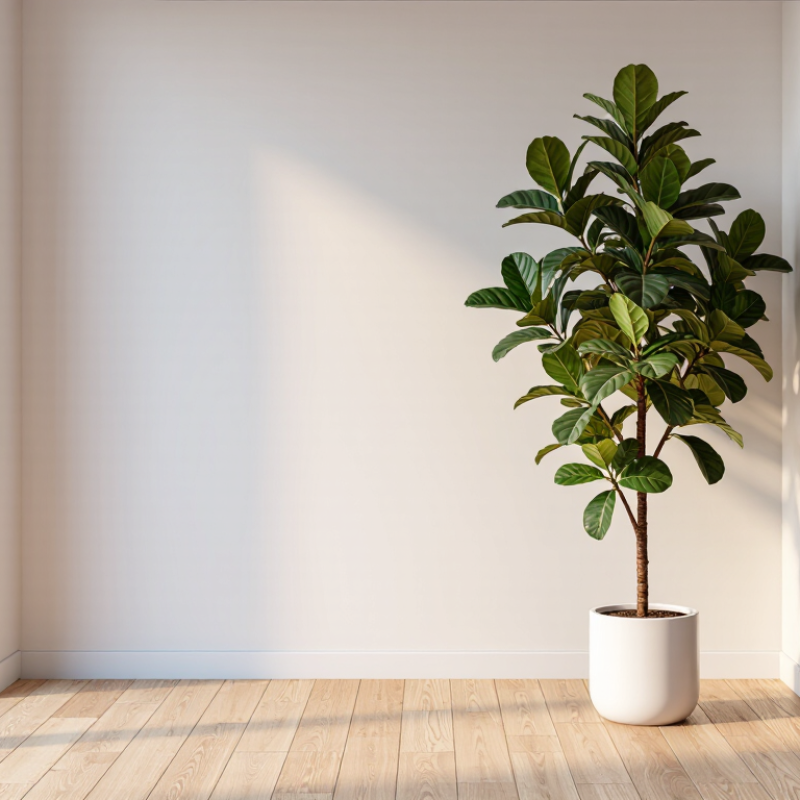
Tall artificial plants are floor-standing faux trees or leafy forms, often around four feet or taller. They add vertical shape beside a sofa, in an empty corner, or near a bright window. Unlike living plants, they do not grow, need watering, or react to changing light. Their appearance stays much the same, which is useful in dim rooms. But they cannot provide the air-quality benefits of healthy living plants.
Materials and construction make a noticeable difference. Silk-like fabric can show fine leaf details, while plastic foliage is often easier to wipe clean. A weighted pot helps a tall plant stand steadily; flexible stems let you adjust its outline. Grand View Research estimated the global artificial plants market at about US$1.6 billion in 2023 and projected a 4.8% compound annual growth rate through 2030. This is market context, not proof that every product looks realistic. Some leaves still shine under direct light.
Tips: Check the plant from several angles, not just the product photo. Look for visible wire, repeated leaf patterns, and a narrow base that might tip. Dust collects on upper leaves, too. A slightly uneven silhouette can look more natural than perfect symmetry.
| Plant Type | Typical Height Range | Appearance and Structure | How It Differs | Suitable Spaces | Practical Buying Checks |
|---|---|---|---|---|---|
| Artificial fiddle-leaf fig | About 5–8 ft (1.5–2.4 m) | Usually has a slim trunk and large, broad, violin-shaped leaves. | Its oversized leaves create a bold, sculptural look, often with a relatively narrow footprint. | Living rooms, bedrooms, offices, and corners with room for a statement plant. | Check leaf spacing, trunk stability, and whether the canopy looks balanced from several angles. |
| Artificial bird of paradise | About 5–8 ft (1.5–2.4 m) | Features long, paddle-shaped leaves that extend upward and outward from the base. | Its fan-like spread is generally wider and more tropical-looking than a fiddle-leaf fig. | Open living areas, entryways, and rooms with higher ceilings. | Compare the listed width as well as height; broad leaves need clearance from walls and walkways. |
| Artificial areca palm | About 5–7 ft (1.5–2.1 m) | Multiple slender stems carry arching, feather-like fronds. | Several fine fronds produce a lighter, airier screen rather than a solid mass of foliage. | Living rooms, sunrooms, reception areas, and spaces where a soft visual divider is useful. | Look for distinct fronds and a stable base; dense foliage can collect dust and benefit from occasional cleaning. |
| Artificial bamboo palm | About 4–7 ft (1.2–2.1 m) | Typically has several cane-like stems and compact, arching leaves. | Its clustered stems give it a fuller, more contained shape than many multi-frond palms. | Offices, apartments, and narrow corners that need a leafy accent without a very wide canopy. | Check the arrangement of the stems and the overall width; product shapes vary by design. |
| Artificial dracaena | About 4–8 ft (1.2–2.4 m) | Often has upright cane-like stems with narrow, pointed leaves gathered near the top. | The vertical form is typically more structured and compact than spreading palms or broad-leaf plants. | Entryways, offices, hallways, and corners with limited floor space. | Inspect the top foliage for a natural-looking silhouette and make sure the planter is proportionate to the height. |
| Artificial rubber plant | About 4–7 ft (1.2–2.1 m) | Has a trunk or several stems with broad, oval leaves, often in deep green or variegated tones. | Its dense, broad foliage gives a fuller appearance than narrow-leaved upright plants. | Living rooms, bedrooms, and offices where a substantial leafy accent is wanted. | Review leaf color and finish in product photos; glossy surfaces can look less natural under direct lighting. |
| Artificial olive tree | About 5–8 ft (1.5–2.4 m) | Usually features a branching woody trunk and small, narrow leaves in muted green or gray-green tones. | Its open branching and restrained foliage create a lighter, more Mediterranean-style look. | Dining areas, entryways, living rooms, and interiors with neutral or natural finishes. | Check branch density and trunk detail; sparse foliage may be intentional, but should look evenly arranged. |
| Artificial ficus tree | About 5–8 ft (1.5–2.4 m) | Commonly has a woody trunk with many small-to-medium oval leaves forming a rounded canopy. | Its leafy crown is generally denser and more tree-like than the open structure of an olive tree. | Living rooms, waiting areas, and larger offices that can accommodate a rounded canopy. | Check canopy width and branch coverage, as these determine how much floor and visual space it occupies. |
Note: Height ranges are approximate examples for commonly available artificial floor plants; dimensions, materials, foliage density, and planter size vary by individual product. Tall artificial plants are decorative replicas and do not grow or require watering, though occasional dusting and a stable placement help maintain their appearance.
Measure ceiling height, floor space, and baseboard clearance. Leave visible space above the foliage.
A slim, upright plant usually fits beside a narrow desk. Broad trees can make tight corners feel crowded.
Check close-up photos for varied leaf sizes, muted color changes, and natural stem joins. Repeated patterns can look flat.
Polyester leaves can hold crisp shapes. Molded polyethylene may offer more varied texture, but inspect the surface closely.
Include the pot when checking height. Compare it with a familiar object, such as a sofa arm.
Yes. A weighted pot can help in busy walkways. A narrow base may need extra support.
Flexible, repositionable branches can help fill visible gaps. Rigid stems may leave the shape looking sparse.
Yes. Shiny leaves may stand out under a nearby lamp, while harsh direct sun can fade some materials. Real window light can still make artificial foliage look flat.
Not always. I still misjudge it sometimes. Check the pot dimensions before choosing.
Choosing the best tall artificial plants for 2026 starts with understanding how they differ from living plants: they provide height and greenery without watering, sunlight, or regular pruning. The right option depends on your room’s scale, ceiling height, available floor space, and preferred style. Consider whether a leafy tree, slender palm, or sculptural branch shape will complement the space without making it feel crowded. A Tall Plant Artificial arrangement can bring visual balance to an empty corner, define an area, or add a natural accent where real plants may struggle.
When comparing options, look beyond appearance to the materials, leaf detail, color variation, trunk finish, and stability of the base. These features can make a plant look more convincing and help it suit your home. Place it where its shape can be appreciated, and use a decorative pot to coordinate with your décor. Maintenance is simple: dust the leaves and branches regularly, check the arrangement occasionally, and keep it away from conditions that may fade or damage its materials.

 Senmao garden