Creating an inviting atmosphere in your home or office can be challenging. Huge fake plants offer a practical solution. They add a touch of nature without the hassles of maintenance. In 2026, many people are looking to enhance their spaces with greenery. But how do you choose the right ones?
When selecting huge fake plants, consider your space carefully. Look for options that complement your existing decor. The right size is crucial; they should not overwhelm the space. The color and texture should mimic real plants authentically. This attention to detail elevates your design.
However, not every option on the market is perfect. Some plants can look overly artificial, failing to create the desired effect. Reflect on what you value most in your decor. Whether it's vibrancy or subtlety, your choice matters. Embrace the imperfections of fake plants to enhance their charm.
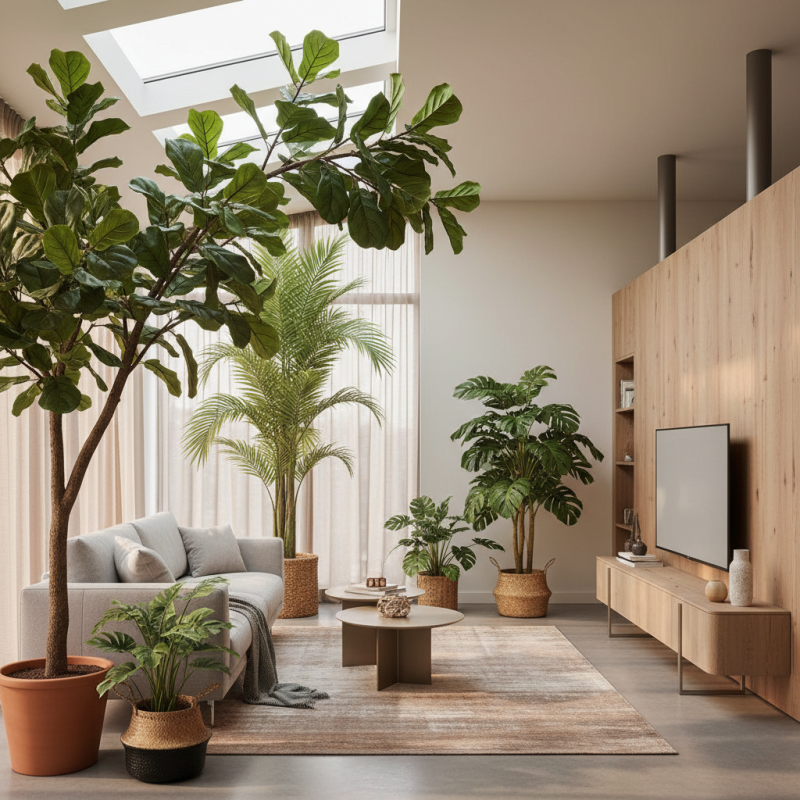
When assessing the quality of huge fake plants, start by examining the materials. High-quality faux plants often use durable plastics and silk. Look for models that mimic the texture of real leaves. Pay attention to the colors. They should be vibrant yet natural, avoiding overly bright shades.
Next, check the construction. A well-made fake plant has weighted bases to prevent tipping over. Examine the leaves and stems closely. They should have detailed veining and varied sizes for authenticity. A plant that looks too uniform may feel synthetic and less convincing.
Finally, consider the maintenance of the plant. Authentic looking fake plants should be easy to clean. Dust them periodically to maintain their appearance. Reflect on your preferences. A few minor flaws can add character, making them feel less artificial. Trust your instincts when choosing; if it doesn’t feel right, keep looking.
When selecting huge fake plants for your space, material quality is essential. High-quality artificial plants often use UV-resistant polyethylene and silk. These materials provide a natural look while ensuring durability. Consider how these materials mimic the texture and color of real plants. Quality plants don’t just look good; they also feel convincing.
Plastic components can be sturdier but may lack the lifelike appearance of silk. A blend of materials often yields the most realistic outcomes. Examine leaf details for vibrant hues and natural patterns. Check how plants manage sunlight exposure without fading. Imperfections in craftsmanship can occur, but they add character to the plant's design.
In your search, reflect on your space's needs. Large plants can overwhelm, while smaller options may feel lost. Think about how the material affects your design goals and practicality. A blend of both artificial and real plants can create harmony in a room. Remember, the key is not just choosing the biggest option but ensuring it complements your aesthetic.
Choosing the right size and scale for huge fake plants is crucial for your space. Start by measuring the area where you plan to place the plants. Use a tape measure or a simple string. Consider the height, width, and depth of the area. A tall ceiling may benefit from a large plant reaching up high. Meanwhile, a small corner might suit a low, wide arrangement better.
Next, think about the balance in your design. A massive plant can dominate a small room, overwhelming the space. Aim for harmony by testing different sizes and placements. Visualize how the plant will integrate with furniture and decor. Sketching your layout can help. Don’t shy away from using several smaller plants if they create a more inviting atmosphere.
Remember, reflection is key. What feels right today might not in a few months. As lighting changes, the same plant may look different. Regularly reassess your choices and remain open to adjustments. It’s about creating a space that feels good for you, not just sticking with initial decisions. Embrace the uncertainty, experiment, and let your space evolve.
When selecting huge fake plants for your space, color and realism play critical roles. The right color can enhance the ambiance of a room. A study from the International Society of Horticultural Science found that greens with a higher saturation are perceived as more vibrant and engaging. Bright, well-balanced colors can create a mood that feels fresh and inviting.
Realism matters. Not all fake plants are created equal. Research shows that 70% of consumers value authenticity in faux greenery. This means that attention to detail—like leaf texture, stem structure, and natural color variations—is essential. Sometimes, however, even the best replicas lack that urgent touch of life. Some shoppers find themselves disappointed when the plant looks too artificial, which raises questions about the effectiveness of their choice.
The challenge lies in striking that perfect balance. Too often, people focus solely on size and forget about how the plant harmonizes with its environment. Fake plants that clash or look overly manufactured can disrupt a design. This highlights the need for careful consideration, as even high-quality items can miss the mark without thoughtful selection.
| Plant Type | Color Options | Realism Rating (1-10) | Ideal Space | Height (ft) |
|---|---|---|---|---|
| Fiddle Leaf Fig | Green, Variegated | 9 | Living Room, Office | 6 |
| Monstera Plant | Green | 8 | Bedroom, Dining Room | 5 |
| Rubber Plant | Dark Green, Variegated | 7 | Hallway, Corner Spaces | 7 |
| Palms | Green | 9 | Living Room, Office | 8 |
| Cactus | Various Colors | 6 | Desk, Windowsill | 3 |
In 2026, huge fake plants are gaining traction in interior design. The shift towards sustainable decor is influencing numerous choices in the market. According to a recent report from the Interior Design Institute, the demand for faux greenery has grown by 35% since 2022. Homeowners appreciate that large artificial plants can deliver vibrant aesthetics without the upkeep required by real plants.
Trends indicate a preference for more realistic options. Many designers recommend lifelike textures and colors. 80% of consumers want products that mimic nature closely. Incorporating huge fake plants can add depth to a room and create a sense of tranquility. However, over-reliance on these elements may lead to a lack of authenticity in design. It’s crucial to balance faux and real greenery to maintain an organic feel in your space.
This year, bold choices are emerging. Bright colors and oversized formats are key highlights in many design projects. Think of large monstera leaves or towering palms. Yet, one must reflect on the space’s overall vibe. Will a huge fake plant enhance the room? Being mindful of placement can prevent feelings of clutter. Ultimately, choosing huge fake plants involves both creativity and careful consideration.
: Look for durable plastics and silk. These materials mimic real leaves well.
Check for weighted bases and detailed leaf veining. Uniformity may indicate low quality.
Natural colors enhance a room's ambiance. Avoid overly bright shades for a more authentic look.
Dust them periodically to keep them clean. This helps preserve their visual appeal.
No, consider harmony with your space. Size alone doesn't ensure a good fit in your decor.
Yes, minor flaws can add character. They may help create a more organic feel.
Look for varied leaf textures and natural color variations. Authenticity is often in the details.
Trust your instincts. If it doesn't feel right, continue your search for something better.
When choosing Huge Fake Plants for your space in 2026, it’s essential to assess their quality by understanding the materials used in high-quality artificial plants. A focus on realistic textures and durability can enhance the overall appearance of your interior design. Additionally, selecting the right size and scale ensures that the plants complement your space rather than overwhelming it.
Color and realism are also critical factors to consider; choosing shades that mimic natural plants will add to the authenticity of your decor. Lastly, staying updated on the latest trends in Huge Fake Plants can help you make informed choices that reflect contemporary design preferences, ensuring your space is both stylish and inviting.

Senmao garden