How to Choose the Best Artificial Houseplants for Your Space?

Time:2026-07-28 Author:Mason
0%

Choosing the right artificial houseplants can transform your space. They bring color and life without the need for maintenance. However, not all artificial plants are created equal. You may find some look incredibly realistic, while others appear cheap and unrealistic.

A well-selected artificial houseplant can complement your decor and enhance your mood. Consider factors like space, light, and style. Sometimes, the wrong choice can overwhelm a room or clash with your interior design. Reflect on your space and what you truly need.

Reviews and expert opinions can guide your selections. Look for plants made from quality materials for a lifelike appearance. Artificial houseplants can offer lasting beauty, but you want to avoid those that seem out of place. In the end, it's about finding the perfect balance between aesthetics and your unique environment.
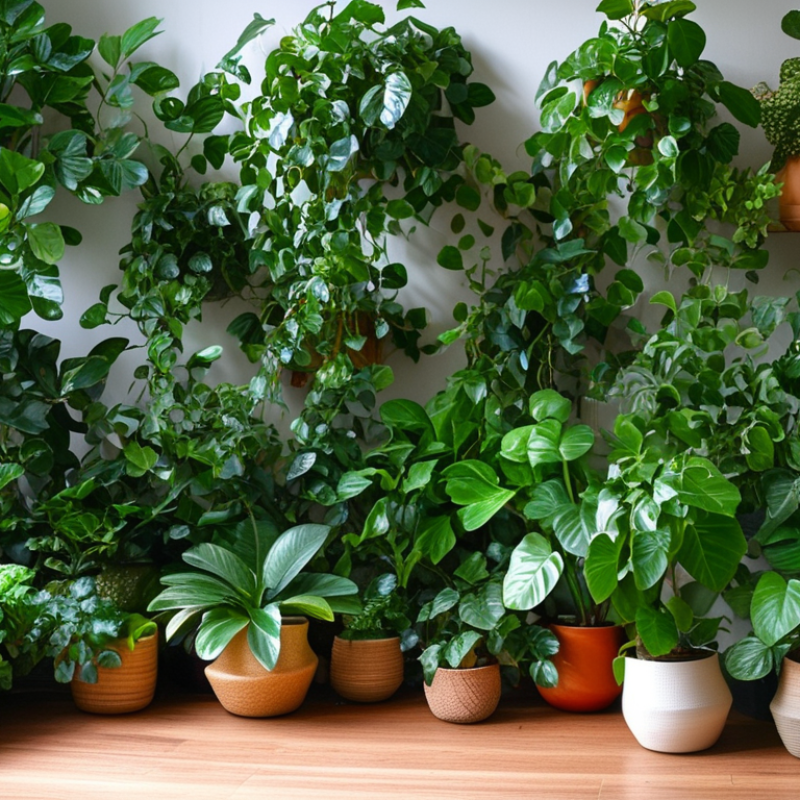
How to Choose the Best Artificial Houseplants for Your Space?

Understanding Different Types of Artificial Houseplants Available

When it comes to choosing artificial houseplants, understanding the different types available is crucial. There are various materials used in creating these plants. For instance, silk plants are popular for their realistic appearance. However, they can gather dust and may require periodic cleaning. On the other hand, plastic plants are durable and easy to maintain. Yet, they might lack the lifelike qualities that some users desire.

Another type to consider is foam plants. These offer a soft touch and can be quite realistic in their design. They often appear lush and vibrant, but may fade over time when exposed to sunlight. Some artificial plants feature a mixed-material approach, combining elements like fabric and plastic to enhance realism. This blending can offer a balance between aesthetics and durability.

Don’t overlook the size and scale of the plants in your space. Miniature plants may suit smaller areas, while larger ones can serve as focal points. However, be cautious; a large plant in a small room can feel overwhelming. It’s essential to reflect on how each plant type fits within your decor and personal style. The goal is to enhance your environment, not clutter it.

Evaluating the Aesthetic Appeal of Artificial Plants for Your Space

When selecting artificial plants, aesthetic appeal is paramount. The right selection can transform a room's ambiance. According to a study by the American Society of Landscape Architects, 70% of homeowners prefer greenery to enhance their decor. The colors, shapes, and sizes of artificial plants can greatly influence the overall aesthetic.

Consider your existing interior design. Choose plants that complement your furniture and color schemes. For instance, a tall monstera can add height to a room, while a cluster of smaller succulents can fill empty spaces. However, not all artificial plants are created equal. Some may look overly glossy or “plastic,” detracting from their realistic appearance.

Tips: Assess texture and shading. Opt for plants with varied leaves and realistic colors. This small detail can create a striking visual impact. Remember, less can be more. Sometimes, a single, well-placed plant can draw the eye better than multiple items.

Ensure that your artificial plants fit your space’s scale and style. A large arrangement in a small room may overwhelm, while tiny plants in a grand area might get lost. The harmony of proportion is vital. Ultimately, your choice reflects your individual taste, making the space uniquely yours.

How to Choose the Best Artificial Houseplants for Your Space?

Type of Plant Height Material Color Variations Best Settings
Fiddle Leaf Fig 5 ft Plastic Green, Dark Green Living Room, Office
Snake Plant 2 ft Silk Green, Yellow Edges Bedroom, Hallway
Pothos 3 ft PVC Green, Variegated Kitchen, Living Room
Succulents Varies Clay and Plastic Green, Purple, Pink Desk, Windowsill
Peace Lily 3 ft Fabric White, Green Office, Living Room

Considering Maintenance and Care Requirements of Houseplants

Choosing artificial houseplants can be daunting. When considering maintenance and care, one must think about the intended environment. Some areas might need more vibrant colors. Others may prefer subtle greens. The choice greatly impacts the overall aesthetic of your space.

Reflect on the care requirements, even with artificial options. Certain materials may require simple dusting, while others need more thorough cleaning. It is essential to choose items that can blend seamlessly without appearing out of place. Assess their texture, color, and size. A realistic design can transform a dull corner into a lively focal point.

Artificial plants differ in realism. Some may look beautiful but fade over time. Pay attention to UV resistance if exposed to sunlight. Materials that resist color fading will ensure longevity. Even if they require less effort, choosing quality matters. A well-made item can provide joy for years.

Maintenance and Care Requirements of Artificial Houseplants

Assessing Material Quality and Realism in Artificial Plants

When selecting artificial houseplants, assessing material quality is crucial. High-quality materials enhance realism, making the plants more lifelike. According to the American Society of Interior Designers (ASID), the right choice can elevate the aesthetic of a room, positively affecting mood and productivity. Common materials include high-density polyethylene (HDPE) and silk, each offering different benefits.

Tips: Look for UV-resistant materials if placing them in sunlight. This prevents fading and ensures longevity. Check stitching on silk plants; uneven seams can indicate lower quality. A well-made plant should feel substantial yet soft to the touch.

Realism is another factor to consider. Plants with varied textures and colors often resemble their natural counterparts more closely. A study by the National Association of Landscape Professionals highlights that detail in leaves and stems enhances the visual appeal. Consider the overall design of your space when choosing sizes and shapes. Oversized plants can overwhelm, while too small might go unnoticed.

Tips: Use a mix of sizes for a balanced look. Scale is key in creating visual interest and atmosphere. Reflect on how each plant fits into the overall design of your space. This attention to detail matters more than you'd think.

Matching Artificial Plants to Your Interior Décor Style and Lighting

Choosing the right artificial plants involves understanding your interior décor and lighting. Different styles can dramatically affect how a space feels. Modern spaces often benefit from sleek, minimalistic plant designs. Elegant faux succulents or simple grasses can enhance clean lines. On the other hand, rustic homes might look great with leafy vines that evoke nature.

Lighting plays a crucial role in this selection. Bright spaces allow for vibrant colors and textures. Darker areas may require lighter shades to avoid a gloomy ambiance. Consider a tall faux palm or a cheerful flowering plant for corners that lack light. In spaces with ample sunlight, bolder greenery works better. Artificial plants can offer a pop of color and life, even in shadowed corners.

However, there are pitfalls. Avoid overwhelming a small room with large, imposing plants. Similarly, a massive plant may dominate minimalistic decor and feel out of place. Experimenting with various arrangements can be helpful. Balance and proportions matter. Reflecting on these elements will lead to a harmonious blend of artificial plant life with your space.

FAQS

: Why is aesthetic appeal important when choosing artificial plants?

: Aesthetic appeal can dramatically transform a room’s atmosphere. It enhances decor and creates a pleasant space.

How can I choose plants that match my interior design?

Consider your existing furniture and color schemes. Select plants that complement these elements for a cohesive look.

What common issues might arise with artificial plants?

Some plants may appear overly glossy or cheap. This can ruin the intended realistic look.

What factors contribute to the realism of artificial plants?

Texture and color variety play crucial roles. Plants that mimic natural counterparts tend to look more lifelike.

What materials should I look for in quality artificial plants?

High-density polyethylene (HDPE) and silk are preferred. Each material offers unique advantages for realism.

How can I ensure durability in outdoor artificial plants?

Opt for UV-resistant materials. This prevents fading when exposed to sunlight, ensuring longevity.

What impact does plant size have on space design?

Scale is vital. Large plants in small areas can overwhelm, while tiny plants may get lost in larger spaces.

Is it better to have multiple plants or just one?

Sometimes, a single well-placed plant creates more visual impact than multiple items cluttering the space.

What should I check in silk plants for quality?

Inspect stitching and seams. Uneven stitching often indicates lower quality and lack of craftsmanship.

How does the choice of artificial plants reflect personal taste?

Your selection expresses your style, making the space uniquely yours. It adds character and depth to your environment.

Conclusion

When choosing the best artificial houseplants for your space, it is essential to understand the various types available and how they can enhance your décor. Evaluate the aesthetic appeal of these plants by considering their colors, shapes, and overall design to ensure they complement your interior style.

Maintenance and care requirements are also critical factors; unlike real plants, artificial houseplants require minimal upkeep, making them ideal for busy lifestyles. Furthermore, assessing the material quality and realism of the plants will help you select ones that look lifelike and durable. Lastly, consider how these plants fit your interior décor style and the lighting of your space, ensuring they create a cohesive and inviting atmosphere.


Mason

Mason

Mason is a seasoned marketing professional with a deep expertise in the company's offerings and a passion for driving brand awareness. With a strong background in digital marketing strategies, he has an innate ability to connect with diverse audiences and effectively communicate product benefits.......