Little Fake Plants How to Choose the Best for Your Space?

Time:2026-06-19 Author:Mason
0%

When it comes to sprucing up your space, Little Fake Plants are an excellent choice. Renowned interior designer Emma Green advises, “The right fake plant can breathe life into any room.” These versatile decor pieces not only enhance aesthetic appeal but also require minimal maintenance. Choosing the best ones depends on your personal style and the environment you want to create.

As you wander through stores or browse online, you’ll find a vast selection of Little Fake Plants. From small succulents to large leafy ferns, the options can feel overwhelming. Pay attention to color and texture; these factors can significantly impact your decor. Yet, despite their charm, some fake plants can look unconvincing. It’s essential to distinguish high-quality options that mimic real plants closely.

Ultimately, selecting Little Fake Plants should reflect your personal taste and fit harmoniously with your existing decor. Consider the light levels in your space and how each plant will be displayed. In the end, it’s about finding that balance between aesthetics and authenticity—after all, even fake plants deserve a thoughtful placement.
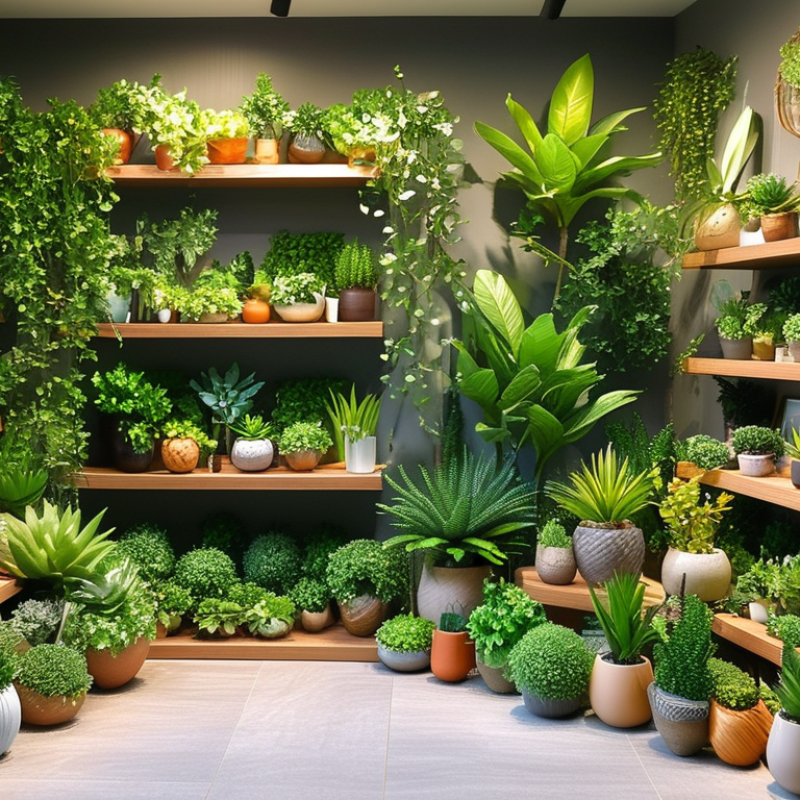
Little Fake Plants How to Choose the Best for Your Space?

Factors to Consider When Selecting Fake Plants for Your Space

When choosing fake plants for your space, several factors play a crucial role. The first is size. A 2021 industry report indicated that around 70% of consumers prefer plants that fit well in their environments. Oversized plants can overwhelm smaller areas, while tiny plants may get lost in larger spaces. It's essential to consider the proportion between your furnishings and the plants.

Another significant factor is the material. Research shows that high-quality synthetic plants made from UV-resistant materials can last five years longer than average ones. They resist fading and maintain their appearance, which is critical for long-term investment. The texture also matters; realistic leaves and stems can enhance the overall aesthetic of your space.

Color selection is equally important. A survey found that 65% of buyers are drawn to colors that complement their existing decor. Neutral tones can blend seamlessly, while vibrant hues can add a pop of energy. However, opting for overly bright colors can sometimes look unrealistic. Choosing the right shade may require trial and error, proving that even simple decisions can lead to unexpected outcomes.

Little Fake Plants: How to Choose the Best for Your Space?

Plant Type Material Size Best Placement Maintenance Level
Succulent Plastic Small (3-6 inches) Desk, Shelf Low
Fern Silk Medium (12-18 inches) Living Room, Window Sill Medium
Cactus Plastic Small (3-5 inches) Desk, Bookcase Low
Fiddle Leaf Fig Polyester Large (3-4 feet) Corner, Entryway Medium
Bamboo Plastic Tall (3-6 feet) Office, Open Spaces Low

Types of Faux Plants and Their Suitable Locations

When selecting faux plants for your space, it's essential to consider the types available and where they work best. According to a recent study by the National Association of Landscape Professionals, nearly 80% of homeowners value greenery in their homes but struggle to maintain real plants. This is where faux options shine, providing beauty without the upkeep.

Succulents and small potted plants are ideal for desks or shelves. They add life to your workspace and promote productivity. Larger faux trees, like ficus or palm varieties, make great focal points in living rooms or entryways. They create an inviting atmosphere while requiring minimal care.

Tip: Choose plants that complement your existing decor. For instance, a minimalist space pairs well with sleek, modern faux plants. Meanwhile, a rustic room can benefit from more textured options, like artificial ferns or ivy.

For bathrooms, opt for moisture-resistant plant types, such as bamboo or orquids. These can thrive even in low light. It’s worth noting that some faux plants may look realistic but can still feel plasticky. Regularly assess your decor to ensure the plants enhance rather than detract from the space.

Engaging with nature through faux plants can create a serene, inviting environment. Take time to reflect on your choices; sometimes, less is more.

Size and Scale: How to Match Fake Plants with Your Decor

When selecting little fake plants for your space, size and scale are crucial elements to consider. Small faux plants can beautifully complement your decor if chosen wisely. A tiny succulent on a desk can add a touch of life without overwhelming the space. Likewise, a larger faux fiddle leaf fig in the corner can create a stunning focal point. Imagine how the proportions of your chosen plant interact with existing furniture.

It's essential to reflect on the layout of your room. Sometimes, a plant that seems too large could end up dwarfing your decor. Conversely, a mini plant may appear lost in a spacious area. Balance is key. For example, place a small faux plant on a stack of books for elevation. The plant then draws the eye, while the books add context.

Remember, not every plant will fit into every design scheme. Consider the color palette of your space. A bright green plant might clash with muted tones, while a simple white pot can blend seamlessly. Take your time to experiment with arrangements. It may take several tries to find the perfect combination. The goal is to enhance your environment while maintaining harmony.

Material Quality: Identifying Realistic and Durable Options

Selecting little fake plants involves careful consideration of material quality. The right materials can greatly influence realism and durability. High-density polyethylene (HDPE) is a common choice for resilient faux plants. It mimics the texture and color of real greenery well. Look for plants made from UV-resistant materials; they will maintain their vibrancy longer, especially in bright spaces.

Not all fake plants are created equal. Some may look good initially but deteriorate quickly. Cheaper options might fade or get brittle over time. Pay attention to the details. Inspect the leaves for texture and shading. Realistic variations enhance the overall look. Plastic coatings should be smooth, not rough or uneven. Small imperfections add character, reminding us that nature is not perfect either.

When you choose fake plants, consider their intended location. Some materials do better in humid areas than others. If you’re placing them in bright sunlight, ensure the quality can withstand those conditions. Remember, durability matters. The wrong choice could leave you with a once-beautiful decoration that quickly becomes an eyesore.

Material Quality of Little Fake Plants

Maintenance Tips for Keeping Your Fake Plants Looking Fresh

When it comes to maintaining your little fake plants, regular care is essential. Dust tends to accumulate on the leaves, dulling their appearance. A soft microfiber cloth works well for wiping down surfaces. For tougher grime, a damp cloth with mild soap can help. According to the National Gardening Association, nearly 32% of indoor plant owners struggle with dust maintenance.

Watering isn't necessary for synthetic plants, but a light misting can enhance their appearance. This practice keeps them looking fresh without causing moisture damage. Ensure to avoid soaking the leaves; too much water can promote mold growth on the faux materials. Interestingly, the global synthetic plant market was valued at over $1.8 billion in 2022, emphasizing the demand for lifelike options that need minimal upkeep.

Be aware that colors may fade over time, especially with prolonged exposure to direct sunlight. Place your synthetic plants in areas with indirect light to preserve their vibrancy. Some owners may notice a slight color change, which can happen despite preventive measures. Regularly inspect your fake plants, making adjustments or replacements as needed to keep your space vibrant and welcoming.

FAQS

: What should I consider when choosing faux plants?

: Consider size, material, color, and location. These factors affect how well the plants fit your space.

Why is size important for faux plants?

Size affects proportion. Oversized plants can overwhelm small areas, and tiny plants may get lost in large spaces.

How does material impact the quality of fake plants?

High-quality materials, especially UV-resistant ones, ensure longer-lasting, aesthetically pleasing plants. They resist fading and damage.

What color options are best for faux plants?

Colors that complement existing decor are best. Neutral tones blend well, while vibrant hues can energize the space.

Where should I place small faux plants?

Small potted plants are perfect for desks or shelves. They add life and enhance productivity in workspaces.

Which faux plants work well in bathrooms?

Choose moisture-resistant options, like bamboo or orchids. They thrive in low light and add greenery without much care.

How can I maintain the appearance of fake plants?

Regularly dust them with a microfiber cloth. For tough grime, use a damp cloth with mild soap.

Is watering necessary for synthetic plants?

No, watering isn't needed. However, a light misting can enhance appearance without causing damage.

Can faux plants change color over time?

Yes, colors may fade, especially in direct sunlight. Use indirect light to preserve vibrancy.

What should I do if my fake plants look dull?

Regularly inspect them. Adjust their placement or replace them as necessary to keep your space inviting.

Conclusion

When choosing the best little fake plants for your space, it's essential to consider several factors to ensure they enhance your decor. Start by evaluating the type of faux plants that fit your environment, such as succulents for modern areas or leafy greens for bohemian styles. Size and scale play a crucial role—selecting plants that complement your existing furnishings will create a cohesive look.

Material quality is another important aspect; look for realistic and durable options that withstand the test of time while maintaining their appearance. Additionally, regular maintenance tips can help you keep your little fake plants looking fresh, such as occasional dusting or careful placement away from direct sunlight to prevent fading. By considering these factors, you can create a vibrant and inviting atmosphere with your chosen faux greenery.


Mason

Mason

Mason is a seasoned marketing professional with a deep expertise in the company's offerings and a passion for driving brand awareness. With a strong background in digital marketing strategies, he has an innate ability to connect with diverse audiences and effectively communicate product benefits.......