Artificial Tulip Plants have gained immense popularity among buyers worldwide. Their vibrant colors and lifelike appearance can enhance any space. Unlike real flowers, they require no maintenance and remain fresh throughout the year. This makes them a preferred choice for busy individuals.
The allure of Artificial Tulip Plants lies in their versatility. They can complement various decor styles, from modern to traditional. Imagine a bright display on a dining table or an elegant arrangement in a living room. These plants bring a touch of nature indoors without the hassle of care. Yet, not all artificial plants are created equal.
Choosing the right Artificial Tulip Plant requires careful consideration.Quality varies between brands. Look for realistic textures and colors that mimic nature. This nuanced detail makes a difference. People often overlook the importance of durability and UV resistance as well. Reflecting on these aspects can lead to a satisfying purchase. Overall, the right Artificial Tulip Plant can transform your space beautifully.
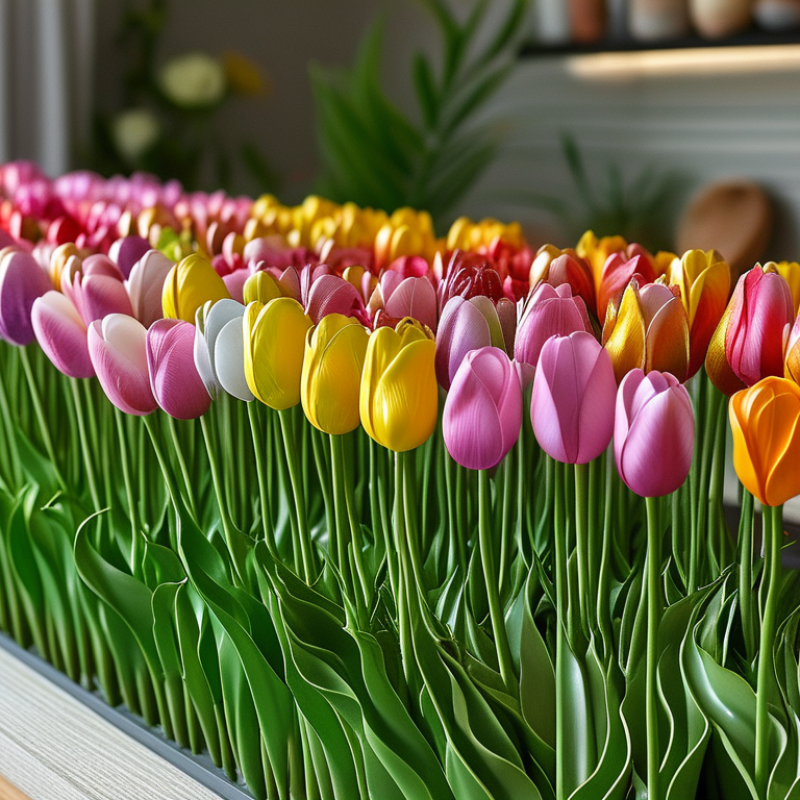
Benefits of Choosing Artificial Tulip Plants for Home Decor
Artificial tulip plants have gained popularity in home decor for several compelling reasons. According to a recent report by the Home and Garden Association, nearly 80% of homeowners are now opting for artificial plants. They enjoy the vibrant colors and lifelike appearances that enhance interior spaces. These plants don't fade and remain fresh-looking year-round. Additionally, they require no watering or sunlight, making them ideal for busy individuals.
The benefits of choosing artificial tulips extend beyond aesthetics. Allergic reactions to pollen affect about 10% of the population, making artificial flowers a smart choice for sensitive individuals. These plants provide a fragrance-free option for those seeking floral beauty without triggering allergies. Furthermore, they can be an economical choice. A study from the National Consumer Gardening Survey indicates that consumers save up to 70% on long-term costs by choosing synthetic options over live flowers.
In terms of sustainability, many artificial plants are made from eco-friendly materials. This means less waste and fewer resources consumed, which aligns well with today's eco-conscious consumer. While it's essential to acknowledge that some may prefer the authenticity of live plants, the convenience and low maintenance of artificial tulips may outweigh this preference for many.
Top 10 Artificial Tulip Plants for Global Buyers
Types of Artificial Tulip Plants Available in the Global Market
When it comes to artificial tulip plants, buyers can choose from various types available in the global market. These plants come in diverse materials, including polyester, silk, and plastic. Each type offers unique benefits. Polyester tulips often have vibrant colors and realistic textures. Silk options provide an elegant look but may require more careful handling. Plastic choices are durable and weather-resistant, making them ideal for outdoor decoration.
Moreover, artificial tulips can be found in various sizes and styles. Some feature traditional designs, while others adopt modern aesthetics. This variety allows consumers to find the perfect match for their decor. You might see tulips in realistic bunches or as single stems. Some arrangements even incorporate greenery. It’s these details that truly enhance their lifelike appearance.
However, not all artificial tulips maintain the same quality. It's crucial to research materials and craftsmanship. Lesser-quality plants may fade over time or lose their shape. As buyers, you should be aware of these factors. Opting for well-reviewed products can lead to better satisfaction. Ultimately, the right artificial tulip can bring joy and beauty to any space.
Factors to Consider When Selecting Artificial Tulip Plants
When choosing artificial tulip plants, several factors deserve careful consideration. The material used is crucial. High-quality materials enhance realism and durability, making your choice more satisfying.
Silk and plastic are common options. Silk offers a softer touch but may fade over time. Plastic can be more resilient but lacks the natural feel of silk.
Color and design are vital as well. A well-chosen color palette can elevate indoor decor.
According to industry reports, about 45% of consumers prefer vibrant, lifelike colors in artificial plants. This preference highlights the importance of selecting shades that complement your existing decor.
Buyers often underestimate the impact of size, too. Proper proportions ensure that your artificial tulips look authentic in your space.
Environmental considerations are becoming increasingly relevant.
Reports show that 70% of consumers are concerned about sustainability. While artificial plants do not require water, they are often made from non-biodegradable materials.
Evaluate how your choices align with eco-friendly practices. Take time to reflect on your picks, as the right artificial tulips can elevate any environment.
Maintenance Tips for Artificial Tulip Plants to Ensure Longevity
Artificial tulip plants offer a low-maintenance alternative to live flowers. To maximize their longevity, proper care is essential. A study highlighted that artificial plants can last several years if appropriately maintained. The key lies in regular dusting and occasional deep cleaning.
Tips: Gently wipe the petals with a damp cloth weekly. This prevents dust buildup that can dull their appearance. For deeper cleaning, use a mixture of water and mild soap. Be cautious with the stems; avoid excessive moisture to prevent deterioration.
Artificial tulips should be kept away from direct sunlight. Prolonged exposure can fade colors. Additionally, place them in a stable environment to avoid damage from falls. Even though they do not wilt, check them periodically for signs of wear.
Good maintenance balances beauty and durability, ensuring your artificial tulip plants remain vibrant for years.
Cost Comparison: Artificial Tulip Plants vs. Real Tulips
When considering tulips for decoration, many buyers weigh the options between artificial and real tulips. Real tulips, while beautiful, come with a limited lifespan. Fresh flowers require water and immediate care. Their vibrant colors can fade quickly without proper maintenance. Moreover, the price of real tulips can spike depending on the season. For special occasions, buyers may find themselves paying significantly more during peak times.
On the other hand, artificial tulip plants provide a cost-effective solution. They are initially more expensive but save money in the long run. They do not require watering, upkeep, or replacement. These plants maintain their beauty year-round, making them a reliable choice. A key factor to consider is the space they occupy.
Artificial plants can sit elegantly without worrying about sunlight or temperature changes. However, not every artificial flower looks realistic. Some might lack the charm of live blooms. Buyers should evaluate their preferences and needs carefully.
Choosing between the two requires reflection on budget, aesthetics, and maintenance commitment. Each has its merits, and what suits one person may not suit another.
FAQS
: Silk and plastic are the most common materials. Silk is softer, while plastic is more durable.
A proper color palette can enhance decor. Many prefer vibrant, lifelike colors for a more authentic look.
Size matters. Proper proportions help make artificial tulips look more realistic in any setting.
They save water but often use non-biodegradable materials. Consider eco-friendly practices when selecting them.
Regular dusting is key. Wipe petals weekly to prevent dust buildup and keep them looking fresh.
Yes, direct sunlight can fade colors over time. Keep them in a stable environment to maintain their appearance.
Use a mixture of water and mild soap for deeper cleaning. Avoid excessive moisture on the stems.
They can last several years if regularly maintained and cared for correctly.
Yes, check for signs of wear periodically. This ensures they remain vibrant and in good condition.
Design impacts overall aesthetics. A thoughtful choice can significantly elevate your indoor decor.
Conclusion
Artificial tulip plants have become increasingly popular in home decor due to their numerous benefits. Unlike real flowers, they offer long-lasting beauty without the maintenance of regular watering or sun exposure. Available in a variety of styles and colors, artificial tulip plants can suit diverse interior designs, making them a versatile choice for global buyers. When selecting the right artificial tulip plant, it's essential to consider factors such as material quality, size, and realism to ensure the best fit for your space.
Maintaining artificial tulip plants is straightforward, as they typically require only occasional dusting to keep them looking fresh. Additionally, a cost comparison reveals that artificial tulips often present a more economical option over time when compared to real tulips, considering longevity and the absence of recurring costs. Embracing artificial tulip plants allows homeowners to enjoy the vibrant beauty of tulips year-round without the hassle of upkeep.

 Senmao garden