2026 Top Fake Houseplant Trends for Global Buyers

Time:2026-08-22 Author:Charlotte
0%

As we approach 2026, the trend of incorporating Fake Houseplants continues to flourish among global buyers. These artificial plants offer lasting beauty without the commitment of care. They provide an easy solution for those seeking greenery in their spaces. The rise of Fake Houseplant popularity stems from advancements in design technologies, creating lifelike appearances that appeal to a wide audience.

This article explores emerging trends in the Fake Houseplant market, focusing on styles and preferences that resonate in various regions. Buyers are drawn to unique textures and vibrant colors that mimic real plants. Each trend reflects a blend of aesthetic appeal and practical considerations, such as maintenance requirements and environmental concerns.

However, not all Fake Houseplants are equal. Some may lack the realism expected by discerning customers. It's crucial for buyers to research brands and materials before making a purchase. This reflection can lead to more informed decisions. Ultimately, the right Fake Houseplant can transform a space, bringing warmth and life into homes or offices without the usual upkeep.
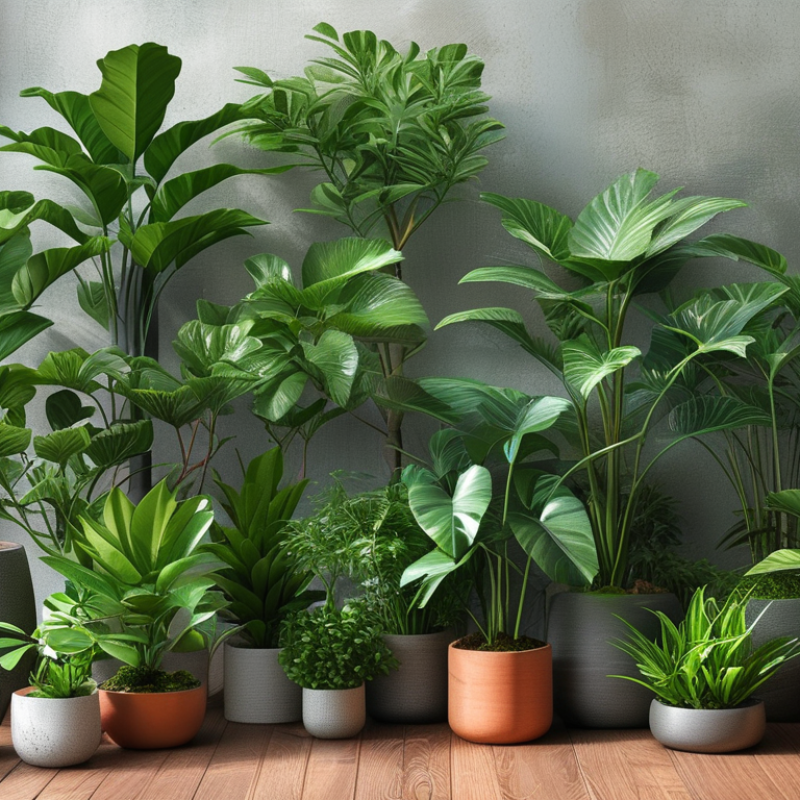
2026 Top Fake Houseplant Trends for Global Buyers

Emerging Materials in Artificial Houseplants for 2026

As we look ahead to 2026, the trends in artificial houseplants are shifting towards innovative materials. Biodegradable plastics will play a crucial role in this evolution. These materials not only mimic the texture of real leaves but also tackle environmental concerns. Buyers are increasingly aware of sustainability. They seek products that reflect this commitment.

Silk and other fabric blends remain popular. However, their production often lacks transparency. This raises questions about sourcing. Emerging materials like recycled textiles offer a fresh alternative. They provide an eco-friendly option while maintaining aesthetic appeal. Buyers might find this option intriguing, yet it calls for deeper investigation into supply chains.

The integration of technology is another exciting aspect. Smart features, such as sensors that monitor humidity levels, are emerging. This blend of tech with natural aesthetics presents both challenges and opportunities. While they enhance functionality, the users must consider durability and maintenance. Striking the right balance will be critical for future offerings. The journey toward optimal materials is ongoing, filled with both excitement and uncertainty.

2026 Top Fake Houseplant Trends for Global Buyers

Color Trends in Fake Houseplants: What to Expect

In 2026, fake houseplants will showcase bold color trends that catch the eye. Expect vibrant greens complemented by deep purples and burnt oranges. These colors will evoke a sense of nature while staying sleek and modern. The interplay of these tones can add depth to any space, stirring conversation. Unique shades like dusty rose and muted teal will also emerge, bringing a fresh twist to the typical greenery.

Textures will play an equally critical role. Matt finishes will contrast with glossy surfaces to create a striking visual appeal. Some designs will feature a realistic bark texture, enhancing authenticity. Though these plants look lifelike, they may not fully capture the dynamic nature of real plants. The challenge lies in balancing aesthetics with a convincing representation. It’s essential to acknowledge that while they can beautify spaces, they lack the organic presence of living plants. This paradox adds a layer of reflection on our choices in home décor.

Popular Styles of Fake Houseplants Among Global Consumers

As 2026 approaches, global consumers are diversifying their choices in fake houseplants. Many are drawn to realistic designs that mimic nature. The increasing demand for low-maintenance decor aligns with busy lifestyles and urban living. Notably, styles that feature vibrant colors and varied textures are gaining popularity.

Classic greenery, such as ferns and succulents, continues to be favored. Homeowners enjoy placing them in various settings, from living rooms to offices. Additionally, large statement plants, like faux monstera, are on the rise. They create a focal point in space without the need for constant care.

Despite the appeal, not all consumers find the perfect match. Some struggle with choosing the right style for their homes. Balancing between trendy looks and personal taste can be challenging. Shoppers often wonder how fake plants impact the overall atmosphere. It’s essential to consider these factors for a satisfying purchase.

Sustainability Practices in the Fake Plant Industry

The fake plant industry is increasingly embracing sustainability practices. Many manufacturers are rethinking their materials and processes. They are seeking eco-friendly alternatives that reduce environmental impact. Recycled plastics are becoming more common in the production of artificial plants. These materials can help minimize waste while maintaining quality.

However, challenges exist. Not all synthetic materials are biodegradable, which raises concerns. Consumers often struggle to differentiate between truly sustainable products and those that merely claim to be. Transparency is crucial. Brands need to provide clear information about their sourcing and production methods. Educating buyers encourages informed choices.

Investing in sustainability also involves ethical labor practices. Ensuring fair wages and safe working conditions is essential. Unfortunately, not every company prioritizes these values. As global buyers, we must push for change. The demand for responsible practices can shape the future of the industry. Each purchase can reflect our commitment to a better environment and society.

Consumer Preferences: Size and Placement of Artificial Plants in Homes

As artificial plants grow in popularity, consumer preferences increasingly shape the market. In 2026, the trend focuses on the size and placement of these faux greens. A report by the National Retail Federation highlighted that 68% of consumers prefer smaller plants for versatile placement in their homes. These compact designs fit seamlessly on shelves, countertops, and small tables, enhancing aesthetics without overwhelming space.

Placement also matters. Recent surveys reveal that 57% of buyers opt for artificial plants in living rooms, while 22% prefer them in bedrooms. This highlights a desire for easy decoration that contributes to a relaxing environment. However, many consumers struggle with selecting the right spot. It's common to see plants crammed into corners or left hidden away. This can detract from their intended visual appeal.

Experts suggest that proper lighting conditions significantly affect the display of artificial plants. A study unveiled that plants placed near natural light sources look more authentic and appealing. Nevertheless, balancing colors and textures remains challenging for many. Some plants may clash with existing decor styles. Overall, understanding preferences around size and placement can enhance the appeal of artificial plants in diverse home settings.

2026 Top Fake Houseplant Trends for Global Buyers

Trend Preferred Size Placement Popular Materials Consumer Demographic
Minimalist Designs Small (1-2 ft) Tabletops & Shelves Plastic, Silk Millennials
Tall Floor Plants Large (3-6 ft) Corners & Entryways Polyester, Foam Families
Hanging Plants Medium (2-3 ft) Ceiling & Windows Fabric, Plastic Young Adults
Succulents & Cacti Small (1-2 ft) Desk & Windowsills Resin, Ceramic Singles
Large Bushy Plants Large (3-5 ft) Living Rooms & Offices Plastic, Silk Professional Environment

FAQS

: What styles of fake houseplants are popular among consumers?

: Realistic designs mimicking nature are popular. Bright colors and varied textures attract buyers as well.

Why are fake plants appealing to urban dwellers?

Many prefer low-maintenance decor that fits busy lifestyles. Fake plants require no watering or sunlight.

How do consumers choose the right fake plants for their homes?

It can be tough to balance trends with personal style. Many shoppers struggle with these decisions.

What types of fake plants are commonly used in homes?

Classic greenery, like ferns and succulents, remains favored. Large statement plants also create attractive focal points.

Are manufacturers adopting sustainable practices in the fake plant industry?

Yes, many are exploring eco-friendly materials like recycled plastics. This aims to reduce environmental impact.

What challenges exist in the production of fake plants?

Not all materials are biodegradable. Consumers often find it hard to discern genuine sustainability claims.

How important is transparency regarding sourcing and production?

Very important. Clear information helps consumers make informed choices about their purchases.

Why should buyers care about ethical labor practices?

Fair wages and safe working conditions are essential. Unfortunately, not all companies prioritize these values.

How can consumers influence industry practices?

The demand for responsible practices can lead to change. Each purchase can reflect a commitment to better practices.

Is it easy to find the perfect fake plant?

No, many find it challenging. It's common to struggle with style and atmosphere considerations.

Conclusion

The article "2026 Top Fake Houseplant Trends for Global Buyers" explores the evolving landscape of artificial houseplants, highlighting key trends and consumer preferences for the upcoming year. It delves into emerging materials that enhance the realism and appeal of fake houseplants, making them an attractive option for home decor. Color trends indicate a shift towards vibrant and natural hues, catering to diverse aesthetic preferences around the globe.

Additionally, the article discusses popular styles of fake houseplants favored by consumers, reflecting a blend of modern and classic design elements. Sustainability practices within the fake plant industry are also examined, showcasing how manufacturers are prioritizing eco-friendly materials and production methods. Finally, consumer preferences regarding the size and placement of artificial plants in homes reveal a growing inclination toward adaptable and space-efficient designs, making fake houseplants a versatile addition to various living environments.


Charlotte

Charlotte

Charlotte is a seasoned marketing professional with a deep understanding of the company's portfolio and a passion for elevating its presence in the market. With a keen eye for detail and a commitment to excellence, she ensures that our professional blog is regularly updated with insightful articles......