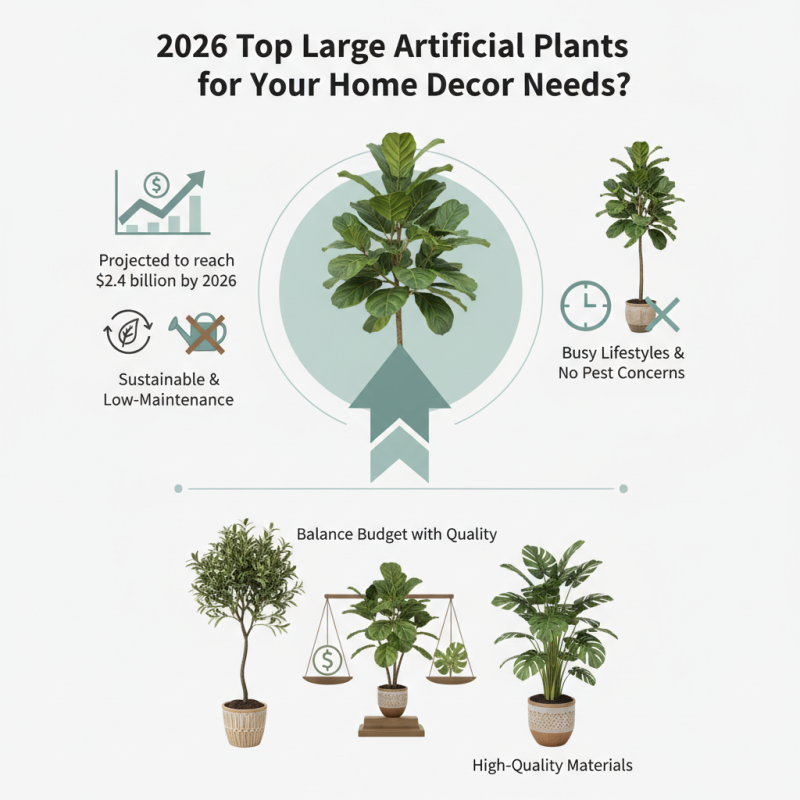
As homeowners increasingly turn towards sustainable and low-maintenance options, large artificial plants have emerged as a popular choice in home decor. According to a recent report by Allied Market Research, the global artificial plants market is projected to reach $2.4 billion by 2026. This growth highlights a significant shift as consumers seek versatile design solutions that blend aesthetics with practicality.
Large artificial plants not only offer the allure of real greenery, but they also eliminate concerns related to watering, sunlight, and pest control. This convenience makes them an ideal choice for busy lifestyles. However, it is crucial for consumers to carefully consider the quality and realism of these products. Many inexpensive options may lack the lifelike appearance that can enhance a space effectively.
While large artificial plants can transform a room, selecting the right ones requires discernment. Not all products deliver the promised look or durability. It is essential to balance budget considerations with quality to achieve a visually appealing setup. By focusing on high-quality materials, homeowners can enjoy the best of both worlds: a beautiful environment and minimal upkeep.
Using large artificial plants in home decor offers diverse and significant benefits. One key advantage is the visual impact they create. A study by the American Society of Interior Designers revealed that greenery improves mood and enhances relaxation. Large plants can transform a room, making it feel more welcoming. They provide a sense of nature in urban environments, which is often lacking.
Maintenance is another area where large artificial plants excel. Unlike real plants, they require no watering or sunlight. This makes them ideal for busy households. According to recent industry reports, around 40% of Americans admit to struggling with real plant care. With artificial options, there's no need for stress or worry. They stay vibrant year-round, offering consistent aesthetic appeal.
Moreover, large artificial plants lend versatility to design. They can fit various styles, from modern to rustic. This flexibility enables homeowners to experiment without commitment. However, it's essential to choose wisely. Some artificial plants may look unnatural or cheap. Investing in quality products can yield better results. As home decor trends evolve, so does the demand for realism in artificial greenery.
When it comes to decorating your home, large artificial plants can create a stunning visual impact. They come in various shapes and sizes, perfect for different styles. For a modern aesthetic, consider tall fiddle-leaf figs or monstera plants. These iconic choices add a bold statement without the upkeep of real greenery. A touch of the tropics, they work well in minimalist or contemporary spaces.
In contrast, rustic styles may benefit from large artificial olive trees or potted palms. Their textured leaves and natural-looking trunks complement warm wood tones. For a bohemian vibe, oversized cacti can introduce a lively atmosphere. Mix and match these plants for an eclectic look, creating areas that feel both vibrant and inviting. However, it's essential to choose with care. Not every plant fits every room. Evaluate your space before committing.
| Plant Type | Height | Ideal Room | Interior Style | Material |
|---|---|---|---|---|
| Fiddle Leaf Fig | 6 feet | Living Room | Modern | Plastic |
| Rubber Plant | 5 feet | Office | Contemporary | Fabric & Plastic |
| Boston Fern | 4 feet | Bathroom | Rustic | Plastic |
| Palms | 6 feet | Sunroom | Tropical | Plastic |
| Dracaena | 5 feet | Bedroom | Minimalist | Plastic & Fabric |
| Tree Fern | 7 feet | Entryway | Bohemian | Synthetic |
When choosing large artificial plants for your space, consider the room's lighting. Some plants thrive in bright light, while others do better in low light. Assess the unique conditions of your home. You might find a spot with insufficient light. This can affect how vibrant artificial plants appear.
Size and scale are crucial factors. A plant that’s too small may feel lost in the room, while one that’s too large can overwhelm the space. Measure your area before you shop. Visualize how the plant will fit with your existing decor. You might realize that a bold design clashes with softer elements.
Materials play a role too. Look for high-quality materials that mimic the real thing. Some artificial plants look plastic and cheap. Choose options with texture and color variations. This attention to detail can elevate your decor. Reflect on what styles resonate with you. Your choice should enhance your home's personality, not detract from it.
Large artificial plants can transform any home space, but maintenance is key to their longevity. Regular dusting is essential. Experts suggest a gentle wipe with a damp cloth at least once a month. This prevents buildup, keeping your decor fresh and vibrant. Neglecting this step can make even high-quality plants look shabby and uninviting.
Incorporating artificial plants offers flexibility, yet they can diminish in appeal if not cared for properly. Studies show that artificial plants can lose their luster over time. Factors like sunlight exposure and humidity levels play significant roles. Aim to place them away from direct sunlight to avoid fading. Regularly inspect for any signs of wear. The average lifespan of a well-maintained artificial plant is about 7-10 years, but this can vary widely.
Watering, while unnecessary, can help with dust removal. A light spray of water can rejuvenate the leaves. However, avoid soaking as it can damage the plant material. Finding a proper balance is crucial. Engage with your plants to keep them looking their best. Making these small adjustments regularly can elevate your home decor significantly.
As we approach 2026, the world of home decor is seeing fascinating trends in large artificial plants. According to a recent report from the National Retail Federation, the demand for faux greenery is expected to grow by 15% each year. Interior designers highlight that large artificial plants add a dynamic element to living spaces. They require minimal upkeep while creating a striking visual impact.
In 2026, expect to see an increasing preference for realistic textures and colors in artificial plants. Eco-friendly materials are also gaining traction as consumers become more environmentally conscious. Research indicates that 70% of buyers prefer products made from sustainable resources. Large, leafy varieties, such as fiddle leaf figs and monstera, continue to dominate trends.
**Tip:** Choose plants that complement your existing decor to maintain a cohesive look.
However, the market is saturated. Some consumers struggle to differentiate between quality and cheaper alternatives. This challenge highlights the importance of assessing reviews and expert recommendations before making a purchase.
**Tip:** Consider seasonal changes for plant placement. A faux plant can transform a room and adapt to evolving decor trends.
: They create a stunning visual impact without the upkeep of real plants.
Measure your area to ensure the plant fits well, neither too small nor too large.
Tall fiddle-leaf figs or monstera plants make bold statements in modern spaces.
Some plants thrive in bright light, while others are better suited for low light conditions.
Choose options with textures and variations that mimic real plants, avoiding cheap, plastic looks.
Realistic textures and eco-friendly materials are becoming popular among consumers.
Yes, select plants that complement your decor for a cohesive look.
Faux plants can be moved to adapt to changing decor trends throughout the year.
The market is saturated; reviews help differentiate quality from cheaper alternatives.
Yes, options like large olive trees or potted palms can enhance rustic decor.
The article "2026 Top Large Artificial Plants for Your Home Decor Needs" explores the benefits and versatility of incorporating large artificial plants into home interiors. It highlights how these plants can enhance aesthetic appeal while requiring minimal maintenance, making them an ideal choice for busy lifestyles. The article also categorizes popular types of large artificial plants suited for various interior designs, providing readers with various options to fit their personal style.
In addition, it offers practical tips for selecting the right large artificial plants for specific spaces and discusses effective maintenance practices to keep these decorative elements looking their best. Finally, it delves into the emerging trends in large artificial plant design for 2026, showcasing how these plants are poised to play a significant role in contemporary home decor. With their growing popularity, large artificial plants represent a blend of beauty and convenience in enhancing home environments.

Senmao garden