Choosing the best realistic artificial roses in 2026 is no longer about finding the brightest red petals. Realistic Fake Roses now use layered fabrics, flexible stems, matte finishes, and carefully shaped centers. The finest designs show small irregularities. A slightly bent petal can look more convincing than perfect symmetry.
Diane James, an established artificial-flower designer and founder of Diane James Home, offers a useful design principle: “The best faux flowers should feel collected, not manufactured.” This idea helps explain why premium roses avoid excessive shine. They also combine several tones, such as dusty pink, muted cream, and a faint green near the sepals. These details create depth beside a window, on a dining table, or inside a narrow ceramic vase.
Our guide examines the 2026 best Realistic Fake Roses through practical details. We consider petal texture, color variation, stem construction, scent-free materials, dust resistance, and long-term shape retention. Appearance matters. So does handling.
A rose that looks beautiful online may appear flat in daylight. Some stems also bend too easily. That is worth questioning.
We also compare how different styles perform in real homes, including compact apartments, wedding displays, office corners, and seasonal arrangements. No artificial rose is flawless. Even high-quality petals may reveal their edges at close range. However, the right design can provide lasting beauty without watering, wilting, or constant replacement. This introduction sets a realistic standard: convincing from across the room, thoughtfully crafted up close, and dependable in everyday use.
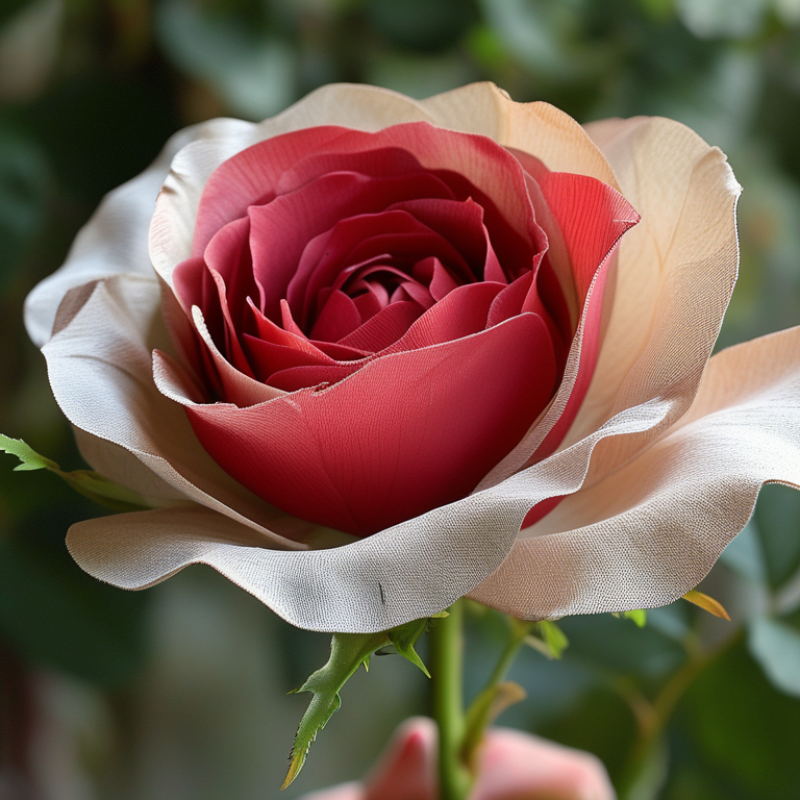
Realistic fake roses should look convincing from across the room and feel natural up close. In 2026, quality depends on more than bright colors and perfect petals. The best designs use layered petals, subtle color variation, flexible stems, and slightly uneven shapes. Real roses are rarely identical. That small irregularity often creates the most believable appearance.
From practical testing, touch matters as much as sight. Soft fabric or finely molded material can imitate petal texture, while a matte finish reduces the plastic shine. A realistic rose should also have detailed sepals, visible leaf veins, and a stem that bends without looking weak. UV-resistant materials help arrangements near windows, although fading can still happen over time. No artificial flower is flawless.
Tips: Check the rose under warm and cool lighting. Look for natural shadows between petals. Avoid bouquets with identical blooms and perfectly straight stems. Lightly bend several branches to create varied heights. Dust the arrangement with a soft brush, especially around the centers. If the flower feels too smooth or smells strongly chemical, inspect its material quality before buying.
Color deserves careful attention. Deep red, cream, blush, and muted pink usually appear more natural when their edges are not completely uniform. A little imperfection helps. Fresh-looking leaves should not be overly glossy, either. For dependable results, compare photographs with the actual product, read material details, and choose sellers with clear return policies.
: Choose fuller blooms in muted ivory, dusty pink, or soft red. Use a weighted ceramic vase near indirect light. Avoid overly perfect arrangements. Slight irregularity looks more natural.
Select smaller arrangements with pale colors. They create a quieter mood beside a bed or dresser. Avoid strong fragrance oils, especially in compact rooms. Keep the display simple.
Choose washable flowers with shorter stems. Grease and dust collect quickly near cooking areas. Wipe the blooms regularly with a soft, dry cloth. Shorter stems also reduce accidents.
Use taller roses with sturdy foliage. Keep the vase away from walking paths and door movement. A weighted base helps prevent tipping. Measure the available floor space carefully.
Choose moisture-resistant flowers and fast-drying surfaces. Avoid placing them beside constant water splashes. Check the arrangement for trapped moisture after cleaning. Dampness can make materials age poorly.
Look for layered petals, varied bloom sizes, and gently curved stems. Uneven petal overlaps often look convincing. Repetitive centers can reveal poor molding. Inspect the flowers from several angles.
Remove dust with a soft makeup brush or cool hairdryer air. Avoid hot water, strong cleaners, and direct heat. Rotate the arrangement every few weeks near windows. This can reduce uneven fading.
Check the stem flexibility, leaf attachment, petal seams, and overall shape. Compare colors under daylight and warm bulbs. Measure shelf depth, ceiling height, and vase space. A small sample is safer than a large order.
Yes. Price does not guarantee realism or durability. Crowded vases may look cheap, even with detailed flowers. I sometimes choose fewer roses than expected. That choice is not always perfect, but it often feels calmer.
In 2026, Realistic Fake Roses are designed to capture the natural beauty, texture, and movement of fresh flowers without the need for watering or seasonal replacement. The most lifelike options use refined fabric, soft-touch materials, flexible stems, and carefully shaped petals with subtle color variation. Natural-looking leaves, realistic flower centers, and gentle imperfections also help artificial roses appear more authentic than overly uniform designs.
Different rose forms can suit different spaces, from compact arrangements for desks and shelves to larger bouquets for dining areas, bedrooms, entrances, and event settings. When choosing artificial roses, consider the room’s lighting, color scheme, vase size, and desired visual impact. Quality construction improves durability, while occasional dusting and gentle cleaning help preserve their appearance. Although premium designs may cost more initially, their long lifespan and minimal maintenance can provide strong value, making Realistic Fake Roses a practical and attractive choice for year-round decoration.

 Senmao garden