A Faux Plant Tall is an artificial plant designed to add height, texture, and visual balance indoors. It may resemble a fiddle-leaf fig, olive tree, palm, or bamboo. Unlike living greenery, it needs no sunlight, watering, pruning, or seasonal recovery. That makes it useful for offices, hotels, rental homes, and darker corners.
The global artificial plants market was valued at approximately USD 1.74 billion in 2023, according to Grand View Research’s Artificial Plants Market Size, Share & Trends Analysis Report. The same report projects continued growth through 2030. Market research from Fortune Business Insights also identifies rising demand for low-maintenance decorative products. These figures show commercial momentum, not guaranteed quality. A cheap stem can still look visibly plastic.
Plant stylist and author Hilton Carter has said, “Plants bring life into a space.” A Faux Plant Tall interprets that idea without using living foliage. Its success depends on realistic leaf variation, a weighted pot, natural branching, and careful placement. Dust matters, too. Even a premium plant loses credibility beside a dusty window.
In my experience, height changes a room quickly. A tall faux palm can soften a sharp cabinet or fill an empty entrance. Yet it cannot improve air quality or respond to care. That limitation deserves honesty. Look for matte leaves, irregular growth, sturdy trunks, and containers that match the room’s materials. The best choice is not always the tallest one. Proportion remains more important than drama.
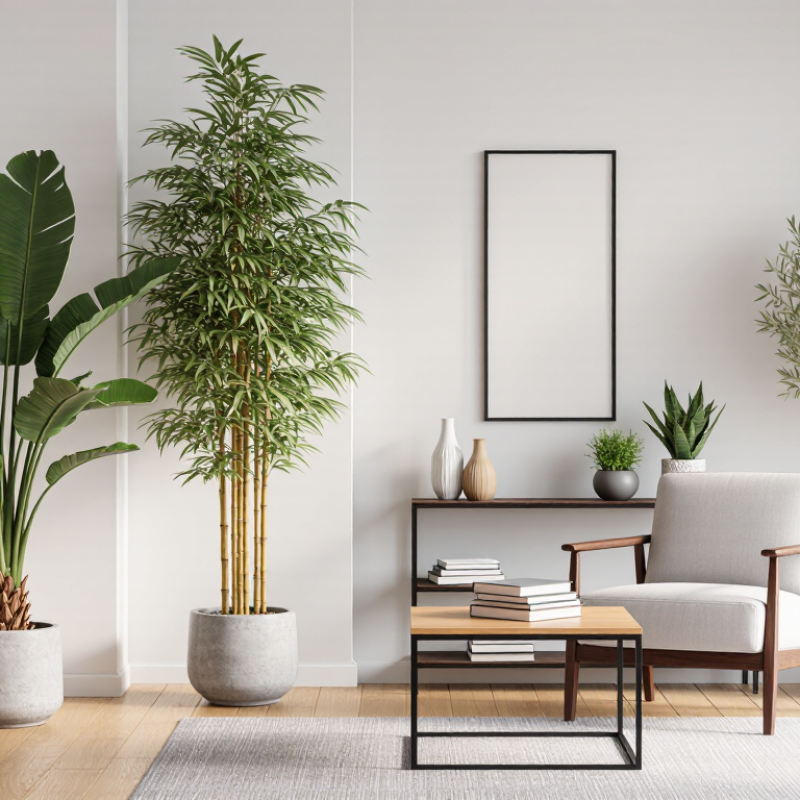
A tall faux plant is an artificial plant designed to create vertical greenery indoors. It usually stands above eye level or reaches close to the ceiling. Common examples include faux palms, fiddle-leaf trees, bamboo, and slender grasses. Unlike living plants, it needs no sunlight, watering, pruning, or seasonal recovery.
Its core characteristic is visual height. A well-designed plant often measures between 120 and 220 centimeters. Its leaves may use fabric, plastic, or blended materials. High-quality leaves show varied colors, natural bends, and slightly uneven edges. These details reduce the flat, repeated look found in cheaper decorations. A weighted pot or hidden base also improves stability, especially near walkways or tall furniture. Safety still matters. The container should not block doors, heaters, or emergency paths.
In practical interior styling, placement affects realism more than size alone. I have seen a tall faux plant look convincing beside a bright window, even without direct sunlight. Dust, however, quickly settles on broad leaves. A soft cloth or gentle brush usually keeps the surface presentable. I once chose a plant that was too narrow for a large corner. It looked unfinished rather than elegant. That mistake showed me that proportion deserves more attention than height. A suitable faux plant should match the room’s scale, lighting, colors, and daily traffic. It may not look perfectly natural. That is part of the design choice.
A tall faux plant is usually built from a flexible stem, shaped leaves, and a weighted planter. The visible foliage often uses polyethylene, polyester, or polyurethane foam. Polyethylene gives leaves a slightly waxy surface. Polyester supports finer veins and softer textures. Foam can create broad tropical leaves, but it may crease during shipping.
Construction quality matters more than height alone. Manufacturers commonly insert steel or fiberglass rods inside plastic stems. Steel offers stronger vertical support. Fiberglass is lighter and resists rust. Leaves are attached by molding, stitching, or heat bonding. A cement, sand, or stone-filled base reduces tipping. According to PlasticsEurope’s Plastics—The Fast Facts 2024, global plastics production reached 413.8 million tonnes in 2023. That figure shows why material selection deserves attention, even for decorative products. Some “natural-looking” finishes still feel too glossy. This remains an imperfect detail worth checking.
Tips: Bend several branches by hand before buying. They should move slightly, then hold their shape. Inspect the planter’s underside. A narrow base may need extra ballast near children or busy walkways. Grand View Research’s 2024 artificial plants market analysis identifies polyethylene and polyester among widely used material categories. Ask for material details, flame-performance information, and cleaning guidance when specifications are unclear.
A tall faux plant is an artificial decorative plant designed to imitate the height, structure, and appearance of a mature indoor plant. Its foliage is typically formed from molded plastic or fabric, while the trunk and branches use internal wire, plastic rods, or metal tubing for support.
How the construction works
The chart shows representative material densities in grams per cubic centimeter. Lower-density materials help keep foliage lightweight, while steel provides structural strength for tall stems and branches.
What Is a Tall Faux Plant?
A tall faux plant is an artificial indoor plant designed to add height, texture, and color without living roots. It may stand beside a sofa, fill an empty corner, or frame a doorway. Common materials include molded plastic, fabric leaves, and flexible wire stems. In my experience, realistic leaf variation matters more than sheer size. Perfectly identical leaves often make a plant look artificial. A little unevenness helps.
Types and shapes create different visual effects. Upright plants suit narrow spaces and include faux snake plants, bamboo, and slim palms. Branching forms, such as olive trees and fiddle-leaf figs, create a softer canopy. Bird of paradise plants offer broad leaves and a dramatic tropical shape. Areca palms feel lighter, especially near windows or pale furniture. Some faux plants have cascading stems, while sculptural varieties use thick trunks and sparse foliage. Choose the silhouette first.
Measure the corner carefully. A plant that is too tall can make a ceiling feel lower. A weighted pot or concealed base improves stability near busy walkways. Dust also changes the appearance quickly, so wipe leaves with a dry or slightly damp cloth. Keep fabric foliage away from persistent moisture. I once chose a dense faux palm for a small room, and it looked crowded within days. Fewer leaves would have worked better. Even realistic plants need space around them.
A tall faux plant is an artificial plant designed to create vertical impact indoors. Most retail models stand about four to eight feet high, although the term has no universal industry standard. They often use molded leaves, synthetic stems, and a weighted planter. The result is immediate height without waiting for growth.
Live plants respond to light, humidity, watering, and seasonal change. A faux plant does not. According to the University of Minnesota Extension, indoor plants require light levels suited to their species, while overwatering remains a common cause of plant failure. Tall faux plants remove that maintenance risk, making them practical for dim hallways, offices, and rooms with inconsistent temperatures. They still need care. Dust can settle along broad leaves and make plastic surfaces look dull.
Market data also shows growing interest in decorative artificial greenery. Grand View Research reported that the global artificial flowers market was valued at more than 1 billion dollars in 2023, with continued growth expected through the decade. That figure includes flowers and foliage, not tall plants alone, but it indicates strong consumer demand for low-maintenance décor. Faux plants also offer consistent size and shape. A live specimen may lean toward a window or lose leaves after relocation. Artificial foliage stays visually stable.
Still, realism varies. Cheap leaves may repeat obvious patterns. The planter can also look too light or undersized. A better choice considers leaf texture, stem movement, pot scale, and the room’s natural shadows. Some artificial plants look convincing from across the room, but less so beside a window. That detail deserves honest attention.
What Is a Tall Faux Plant?
Uses, Placement, and Basic Maintenance Requirements
A tall faux plant is an artificial plant designed to add height, texture, and visual balance indoors. It can soften empty corners, frame a sofa, or divide areas without blocking natural light. Unlike living plants, it needs no watering or sunlight. Still, it should look intentional. A dusty leaf can quickly make an expensive room feel neglected.
Placement affects its success. Set the plant near a bare wall, beside a console, or behind a low chair. Leave enough space for people to walk around it safely. A narrow corner suits an upright tree, while a wider room may support a fuller shape. Avoid placing it directly against heaters, vents, or strong afternoon sunlight. Heat can weaken some materials, and light may fade leaves over time. Measure the ceiling and pot area before buying. I once underestimated both.
Basic maintenance is simple but regular. Wipe broad leaves with a soft, slightly damp cloth every two to four weeks. Use a clean brush for narrow stems and textured surfaces. Do not soak the pot or use harsh cleaners, since moisture may damage internal supports. Check the base occasionally, especially in homes with pets or children. A loose pot can tip more easily than expected. Rotate the plant every few months if one side receives more light. It may not be alive, but it still needs thoughtful care.
| Category | Practical Information | Typical Details | Recommended Practice |
|---|---|---|---|
| Definition | A tall faux plant is an artificial plant designed to create the visual height and structure of a mature indoor plant without requiring living roots, soil, or regular watering. | Common heights range from approximately 120 to 240 cm, depending on the plant style and container. | Choose a height that complements the ceiling, furniture, and scale of the room rather than overwhelming the space. |
| Common Plant Styles | Popular designs imitate trees, palms, bamboo, fiddle-leaf forms, eucalyptus, grasses, and broad-leaf tropical plants. | Leaf shape, trunk form, branch density, and color variation determine how realistic the plant appears. | Select a design that matches the room's existing colors and decorative style. |
| Primary Uses | Tall faux plants add vertical interest, soften hard architectural lines, fill empty corners, and introduce a natural visual element. | They are frequently used in living rooms, bedrooms, offices, reception areas, retail interiors, and event spaces. | Use one large plant as a focal point or group plants of different heights for a layered display. |
| Best Placement Areas | Suitable locations include unused corners, areas beside sofas, entryways, stair landings, office partitions, and spaces next to tall cabinets. | A corner with enough clearance usually provides a balanced backdrop and reduces the chance of accidental contact. | Leave enough room for people to walk around the plant and for doors, drawers, and windows to operate normally. |
| Light Requirements | Faux plants do not need sunlight for growth, so they can be used in rooms with limited natural light. | Direct sunlight can gradually fade some synthetic leaves, especially materials with less UV resistance. | Keep the plant away from prolonged, intense direct sun when possible, or select materials labeled for UV resistance. |
| Watering | Artificial plants do not require watering, fertilizing, repotting, or drainage. | Water can stain fabric leaves, damage certain finishes, and collect inside decorative containers. | Keep the plant dry and clean it with a dry or slightly damp method instead of spraying it with water. |
| Dust Removal | Dust can settle on leaves and reduce their color and texture, particularly in low-airflow areas. | Light cleaning every one to two weeks helps maintain a fresh appearance in most indoor environments. | Use a soft microfiber cloth, feather duster, or gentle vacuum attachment on a low setting. |
| Shape Adjustment | Leaves and stems may become compressed during packaging, shipping, or storage. | Most flexible stems can be adjusted by hand to create a fuller and more natural silhouette. | Bend stems gradually and avoid sharp movements that could crease leaves or loosen connections. |
| Container Stability | Tall plants have a higher center of gravity and may tip if the base is too light or narrow. | The risk increases in busy walkways, homes with pets, or areas exposed to drafts and frequent movement. | Use a wide, weighted pot or add stable filler material such as decorative stones to improve balance. |
| Safety Considerations | A faux plant should not block emergency routes, heating vents, electrical outlets, or essential views. | Some synthetic materials may be affected by high heat or open flames. | Keep the plant away from radiators, stoves, fireplaces, candles, and other heat sources. |
| Storage and Longevity | Proper storage helps preserve leaf shape, color, and stem connections when the plant is not in use. | High humidity, crushing, prolonged sunlight, and extreme temperatures can shorten the useful life of synthetic materials. | Store the plant upright or loosely covered in a cool, dry place, and avoid placing heavy items on top of it. |
It is an artificial indoor plant that adds height, texture, and color without living roots. It may stand beside a sofa or fill an empty corner.
Upright forms suit narrow spaces. Slim palms, bamboo, and snake plants use less floor area. Keep the silhouette simple.
Measure the ceiling, pot, and nearby furniture first. An overly tall plant can make the ceiling feel lower. I once underestimated this.
Place it beside a bare wall, console, low chair, or doorway. Leave clear walking space around the pot. Safety matters.
Yes, fuller plants can separate seating areas without blocking much natural light. Choose a shape that keeps the room feeling open.
Wipe broad leaves every two to four weeks with a soft, slightly damp cloth. Use a clean brush for narrow stems and textured surfaces.
Keep the plant away from heaters, vents, and strong afternoon sunlight. Heat may weaken materials, while sunlight can fade leaves over time.
Choose a weighted pot or concealed base, especially near children, pets, or busy walkways. Check the base occasionally. Loose pots tip easily.
Yes, even realistic plants need visual breathing room. Dense foliage can crowd a small room. Fewer leaves may work better.
Look for varied leaf sizes, uneven spacing, and flexible stems. Perfectly identical leaves often look artificial. A little unevenness helps.
A Faux Plant Tall is a decorative artificial plant designed to add height, structure, and natural-looking greenery to indoor spaces without requiring sunlight, watering, or regular pruning. It is commonly made from materials such as polyester fabric, plastic, foam, wire, and synthetic fibers. Flexible stems are often supported by an internal metal frame, while the base may use molded plastic, weighted containers, or stabilized filler to improve balance and durability.
Available in forms such as palms, ficus trees, bamboo, grasses, and flowering arrangements, tall faux plants can suit living rooms, offices, entryways, bedrooms, and commercial interiors. Unlike live plants, they do not grow, shed soil, attract pests, or depend on specific temperature and lighting conditions. Placement should still allow enough space for their leaves and provide a stable surface away from heavy traffic. Basic maintenance usually involves gently dusting the leaves, wiping the container, and occasionally adjusting the branches to preserve a full, natural appearance.

Senmao garden