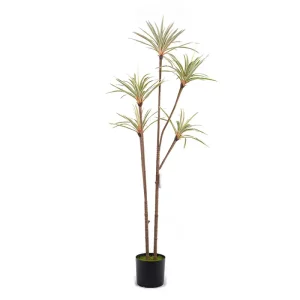
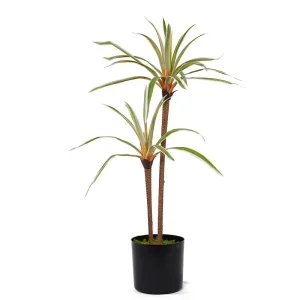
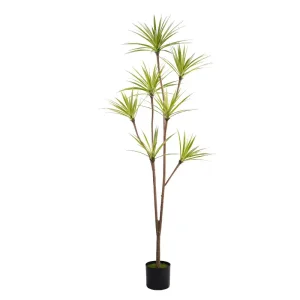
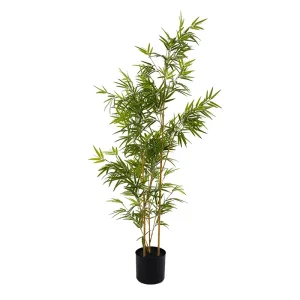
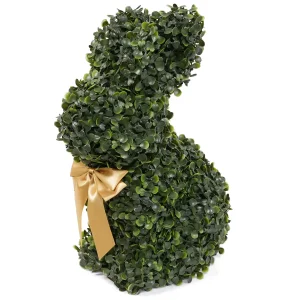
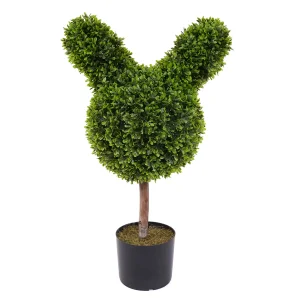
Select high-durability polymer solutions from our export inventory, specialized for heavy exposure and structural integrity.
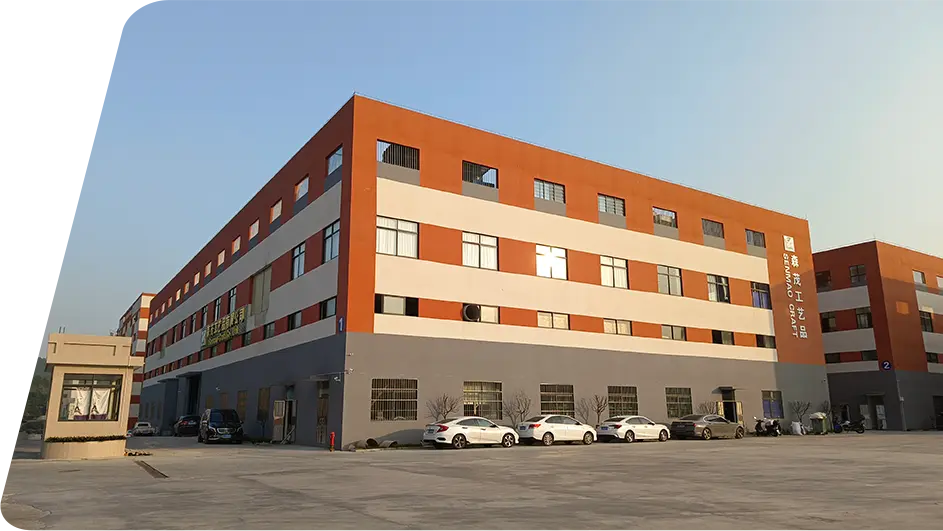
Situated in the strategic industrial hub of Heshan, Guangdong, China, Heshan Senmao Craft Co., Ltd. has engineered a globally recognized platform for advanced synthetic vegetation design and polymer replication. With deep botanical horticulture roots, we operate at the intersection of raw material science and aesthetic execution.
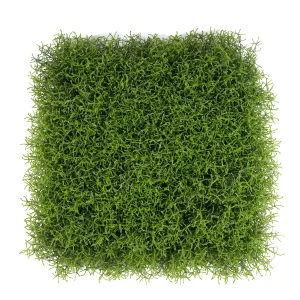
Our vertically integrated manufacturing capacities produce an extensive matrix of synthetic installations, including tall botanical replicates, architectural bonsai, high-density grass spheres, structural grass boards, decorative trellises, and geometric topiary elements.
The chemical vulnerability of synthetic polymers under solar radiation and how global engineering standards address mechanical decay.
Outdoor installations of synthetic turf and decorative foliage are subjected to constant solar radiation, exposing polymers to ultraviolet (UV) spectra—specifically UVA (315–400 nm) and UVB (280–315 nm). Standard Polyethylene (PE) and Polypropylene (PP) substrates naturally undergo photo-oxidative degradation when exposed to these wavelengths. The energy absorbed initiates molecular chain cleavage, breaking down long-chain macromolecules into free radicals. Macroscopic symptoms manifest as color loss, embrittlement, structural cracking, and powdering of yarn fibers, drastically reducing the lifetime of commercial green spaces.
Globally, commercial and municipal landscapes demand maintenance-free, evergreen surfaces that can withstand high solar exposure. Standard municipal turf installations in high-UV indices (such as the MENA region, Australia, and Southern North America) degrade within 18 to 24 months without proper stabilization. Because replacing municipal or commercial installations is highly capital-intensive, global procurement mandates now require certified UV resistance profiles. The baseline standard involves simulated weathering to ensure tensile strength retention of the grass blades remains above 80% after intensive UV aging.
As tier-1 suppliers, China's manufacturing clusters have shifted from raw production capacity to molecular-level compounding. By embedding custom UV stabilizers directly into the polymer matrix during the melt extrusion process, factories in Guangdong, specifically Heshan Senmao Craft Co., Ltd., provide high-performance alternatives that ensure structural longevity and aesthetic consistency over an extended 8 to 10-year outdoor lifecycle.
Our structured methodology for molecular protection, material compounding, and accelerated laboratory stress testing.
Instead of surface coating, we integrate Hindered Amine Light Stabilizers (HALS) within the polymer melt. HALS act as regenerative free-radical scavengers, preventing chemical chain reaction breakages without depleting themselves.
We utilize premium inorganic pigments with high chemical purity. Unlike organic dyes that break down under photon impact, these mineral pigments maintain color stability at a molecular scale in extreme conditions.
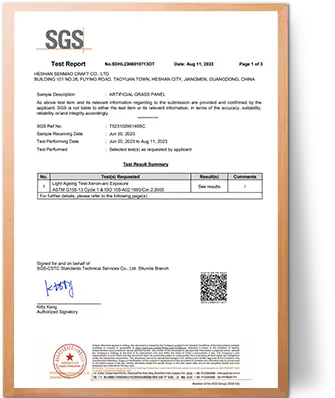
Our prototype batches undergo continuous exposure inside Xenon Arc climate chambers. We simulate up to 5,000 hours of extreme moisture, temperature fluctuations, and UV irradiance to verify absolute material durability.
Tailoring physical configurations and polymer densities to suit diverse climatic zones and infrastructure demands.
Optimized for regions like the GCC and Western US, our turf compounds withstand temperatures exceeding 50°C. Engineered with heat-dispersing pigments to lower thermal absorption, maintaining surface temperatures up to 10% lower than standard alternatives.
At high altitudes, UV index levels increase exponentially. We implement a concentrated HALS recipe combined with secondary antioxidants to prevent photo-induced micro-fractures in alpine and highland regions.
Salt spray and high humidity accelerate polymer corrosion. Our backing materials utilize multi-layered, non-biodegradable PP fabric sealed with water-resistant latex, preventing mildew growth and delamination.
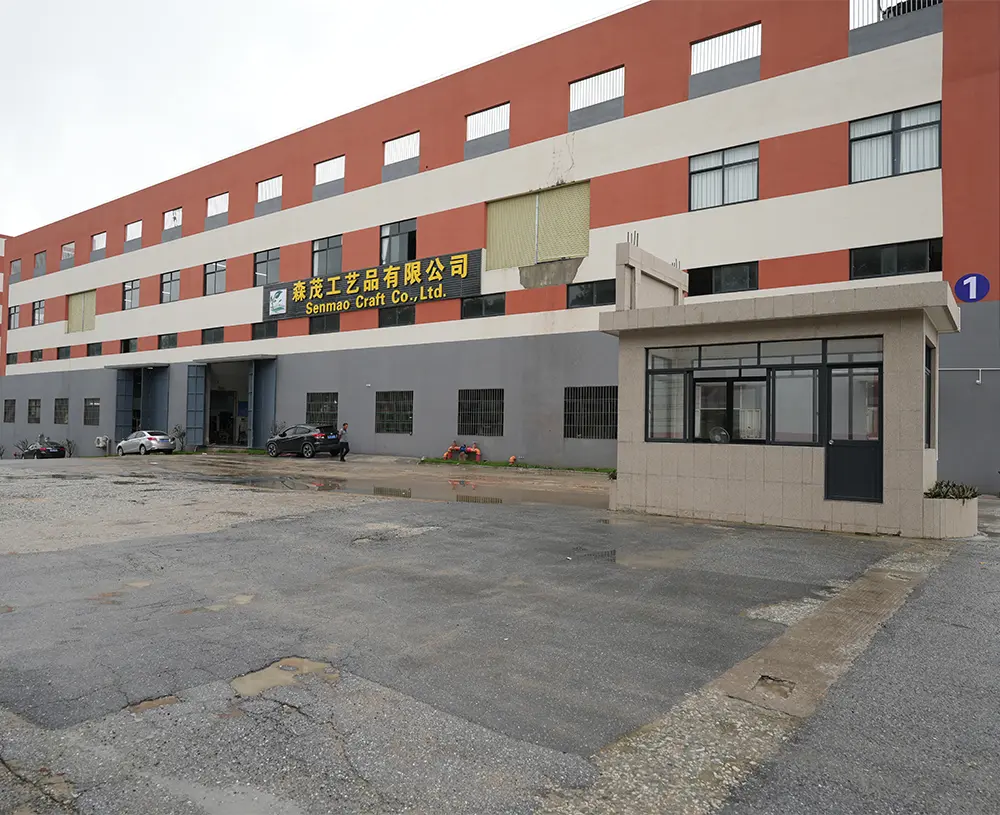
Guangdong's advanced manufacturing infrastructure provides an unmatched concentration of raw material processors, extruders, and precision mold designers. By maintaining close partnerships with primary chemical suppliers, Heshan Senmao secures polymer resins and stabilizer additives at stable costs, mitigating market price fluctuations.
This proximity reduces lead times for custom production runs to 14–21 days. Our logistics network, positioned near major container ports like Shenzhen and Guangzhou, guarantees seamless, cost-effective shipping for bulk distributors.
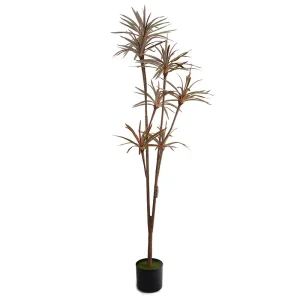
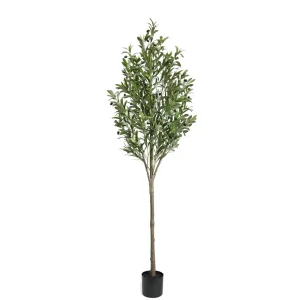
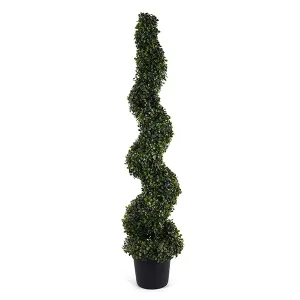
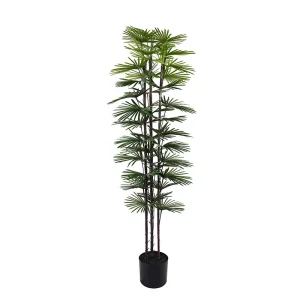
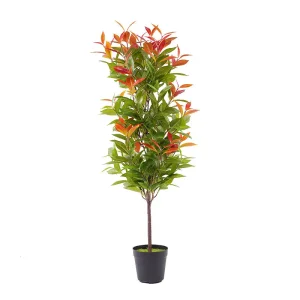
Additionally, we customize our artificial plants—including cypress, banana, turtle monstera, spiral topiaries, fan palms, tiger plants, and olive trees—to meet specific customer dimensions and structural specifications, combining environmental performance with creative flexibility.
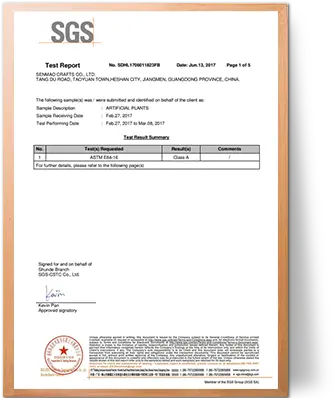
Meeting international environmental, ethical, and quality benchmarks for seamless customs entry and corporate procurement.
 BSCI Audited
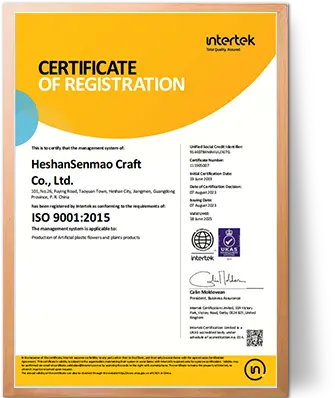
 ISO9001 Quality
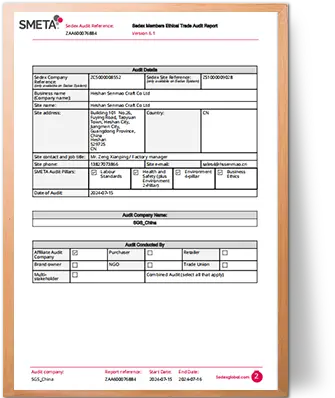
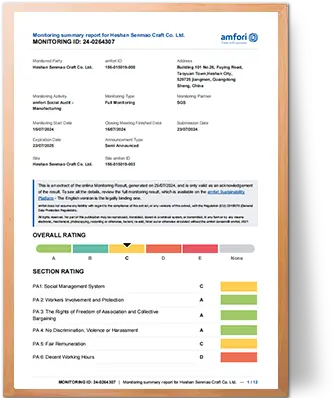 Sedex Registered
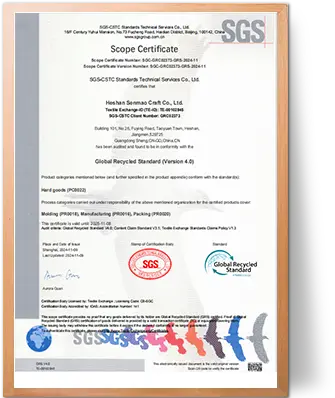 GRS Certified
How material science innovations are shaping the next generation of artificial turf and green wall systems.
We are transitioning from petrochemical resins to agricultural-byproduct bio-PE. These renewable raw materials deliver equivalent tensile performance while significantly reducing carbon footprint during production.
Future product lines will feature infrared-reflective pigments. By reflecting near-infrared solar radiation, our turf surfaces remain cooler in intense sunlight, preventing high heat retention in urban heat islands.
Standard turf uses PU or latex backing, making recycling difficult. We are developing single-polymer components where blades and backing are extruded from the same family, allowing simple end-of-life recycling without separation.
Crucial technical details and purchasing considerations for global B2B procurement professionals.
A: We subject our materials to accelerated weathering testing inside UV chambers according to ISO 4892-3 or ASTM G154 standards. The polymer fibers are exposed to intense UV lamps and water spray cycles. We measure tensile strength retention and color coordinates before and after exposure. High-quality turf must retain over 80% of its initial tensile strength after 3,000 hours of continuous testing.
A: We use a synergistic blend of Hindered Amine Light Stabilizers (HALS) and heat-resistant antioxidants. HALS capture free radicals created by solar radiation, preventing polymer chain degradation. Antioxidants protect the plastic from thermal oxidation during the high-temperature extrusion process and during hot summer months on-site.
A: Yes. We customize our synthetic materials to meet commercial fire codes (such as EN 13501 Class Cfl-s1 or Bf1-s1). Flame retardants are blended into the raw plastic compound prior to extrusion, ensuring permanent protection that won't wear off over time.
A: Standard production takes 14 to 21 days from payment confirmation. Custom extrusion runs or custom molded botanical components may require 7 to 10 additional days for design validation and tooling preparation.
Explore additional specialized artificial plants, high-durability trees, and UV-resistant accent components for architectural layouts.
 Senmao garden