Engineered with advanced materials for lasting visual impact and compliance with global safety codes.
How Modern Commercial Real Estate Leverages Biophilic Simulation to Drive Customer Engagement and Real Estate Valuation.
In modern architecture and corporate development, the intersection of nature and structural design is increasingly critical. Indoor artificial blossom trees have transitioned from simple interior decorations into pivotal architectural components. They serve as focal points in commercial building lobbies, large-scale shopping malls, hospitality environments, and wellness centers globally. By offering year-round visual appeal without the biological limitations of real trees, these botanical structures represent a balance of form, function, and investment value.
The global shift toward biophilic design—which integrates natural elements into human-built spaces—has highlighted the psychological benefits of greenery and floral installations. However, placing living, large-scale blossom trees indoors presents major structural and maintenance challenges, such as inadequate sunlight, irrigation requirements, high humidity levels, soil weight, pest control, and seasonal leaf fall. Precision-engineered artificial blossom trees address these issues, offering consistent aesthetics and structural integrity without ongoing maintenance costs.
Furthermore, sourcing from a specialized China artificial blossom tree indoor manufacturer allows developers, architects, and B2B buyers to acquire bespoke, fire-retardant, and structurally sound systems customized to their building configurations. From grand 6-meter-tall cherry blossom atriums to delicate peach blossom dining partitions, industrial manufacturing processes can adapt to any design vision, ensuring safety, durability, and brand alignment.
An inside look at materials science, structural integrity, and botanical accuracy in modern production lines.
The realism of an artificial blossom tree depends on its raw materials. Petals are crafted from premium silks, high-density polyester, or advanced PEVA (Polyethylene Vinyl Acetate). PEVA provides a realistic texture, prevents fraying, and resists moisture. Foliage is treated with UV stabilizers and chemical fire retardants integrated directly into the polymer matrix during raw material compounding, rather than just coated as a post-production surface spray.
For large indoor installations, the trunk must bear significant cantilever loads. Small to mid-range trees use natural, kiln-dried wood trunks treated against wood-boring insects. Large commercial-grade trees utilize a structural steel frame encased in high-density fiberglass reinforced plastic (FRP). This composite shell is cast from molds taken from real trees, replicating natural bark texture, moss details, and growth rings.
Blossom branches are designed with detaching mechanisms for safe transport and efficient onsite assembly. Petal clusters are injection-molded using multi-tonal color gradients, matching the color transitions of real flowers. Branch structures follow natural botanical patterns, ensuring realistic light penetration and shadow cast, mimicking a natural living canopy.
Combining automated production, rigorous environmental standards, and global logistical optimization.
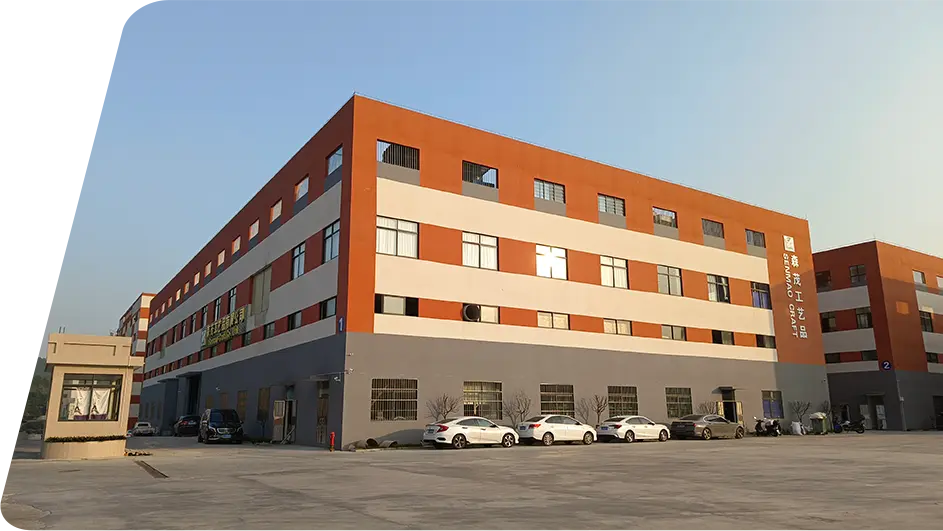
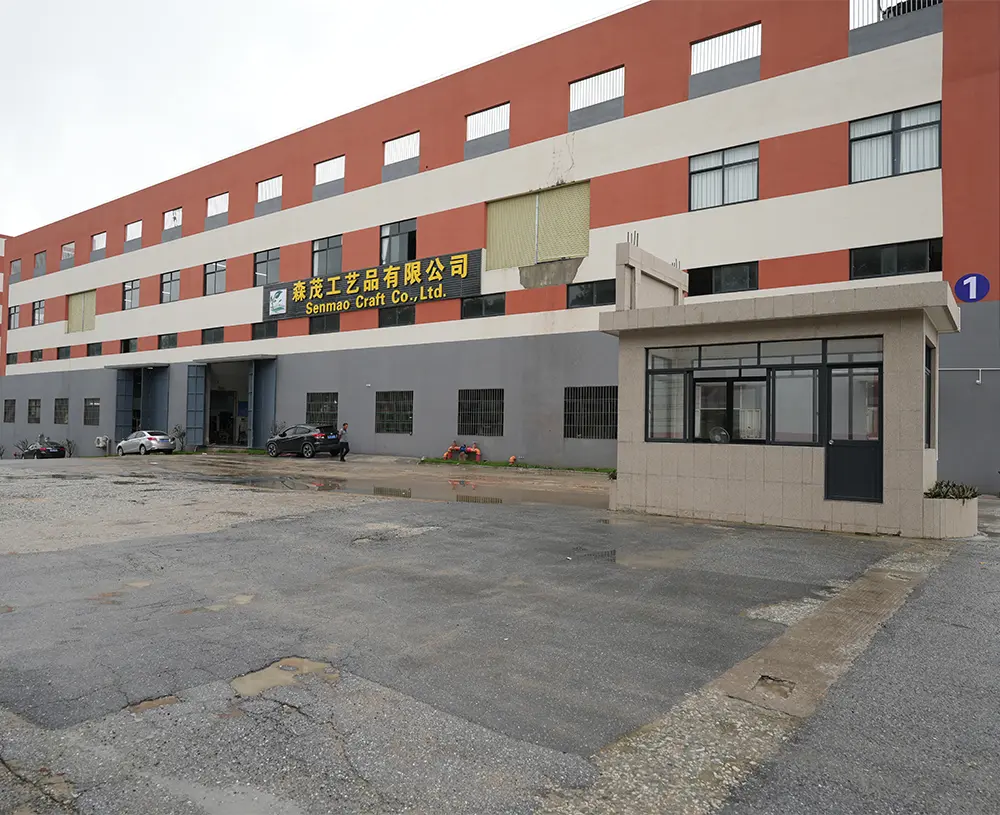
The global artificial plant market relies heavily on Chinese manufacturing capabilities to balance cost efficiency, scale, and high quality. Modern facilities, such as Heshan Senmao Craft Co., Ltd. in Heshan, Guangdong, show how China's factory infrastructure has evolved. The region's mature industrial clusters, skilled engineering workforce, and logistics channels provide a stable supply chain for international distributors, wholesalers, and landscape contractors.
Rather than relying on manual assembly alone, contemporary manufacturers use automated precision injection molding, digital color-matching systems, and computer-guided structural testing. This technological integration ensures that large production runs remain consistent across thousands of units. Every artificial plant, whether a large customized cypress, a tropical banana tree, or a detailed blossom tree branch, is manufactured to precise engineering tolerances, protecting your projects from unexpected onsite issues.
Deep-rooted horticultural expertise meets global compliance and environmental responsibility.
Heshan Senmao Craft Co., Ltd., situated in the vibrant city of Heshan, Guangdong, China, has firmly established itself as a leading player in the burgeoning artificial plants market. Boasting rich and profound experience within the horticultural realm, our company has mastered the art of manufacturing an extensive assortment of artificial plants.
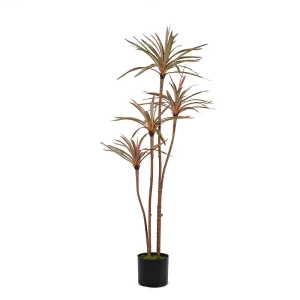
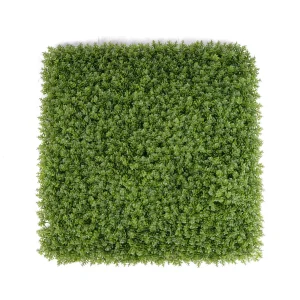
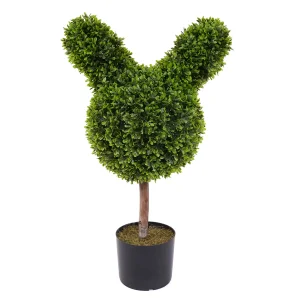
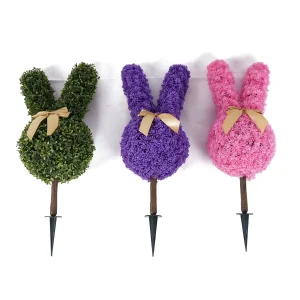
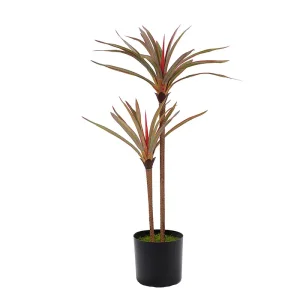
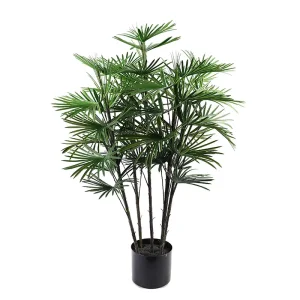
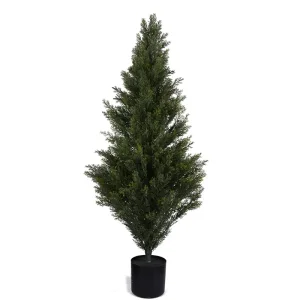
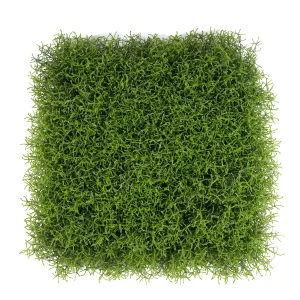
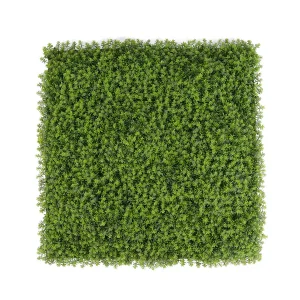
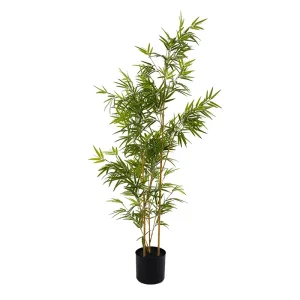
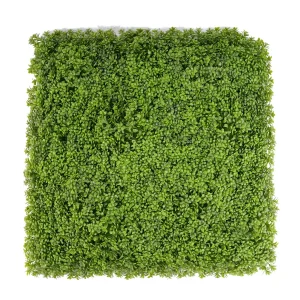
From the stately plant trees and meticulously crafted bonsai to the charming grass balls, practical grass boards, elegant obelisks, and vibrant flower baskets, our product range is as diverse as it is impressive. Our product line features an array of customizable artificial plants, including the graceful cypress, the tropical banana, the unique turtle, the spiral-shaped beauty, the fan palm with its distinctive silhouette, the striking tiger plant, and the classic olive trees. Each product is meticulously designed, taking into careful consideration our customers' aesthetic preferences and functional requirements.
Our artificial plants are designed with durability and safety in mind:
Whether for cozy residential spaces or high-traffic commercial projects, our botanicals offer an aesthetic, sustainable solution for modern interiors.
We adhere to strict ethical business practices, verified by independent international audits.

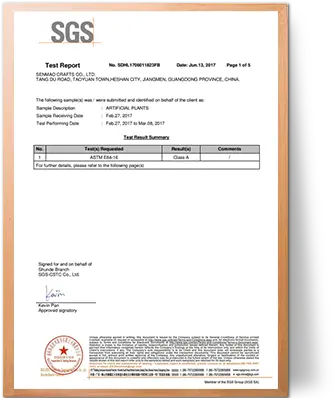
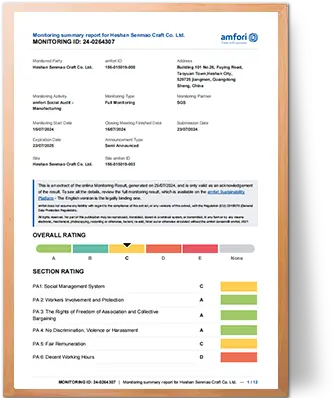


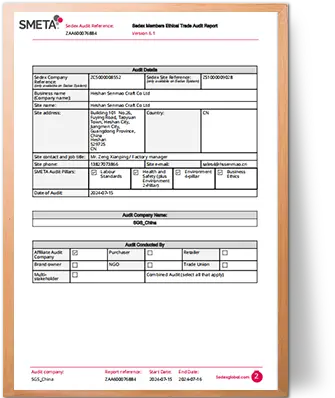
Our commitment to quality and sustainability is verified by our BSCI, ISO9001, Sedex, and GRS certifications. Choosing our products means choosing a sustainable future without compromising on safety or quality.
From shopping mall courtyards to wedding venues: designing with premium botanical installations.
In large hotel lobbies, a custom artificial cherry or peach blossom tree serves as a focal point. Placed in central atriums, these trees soften rigid stone and glass structures. Their vibrant pink, white, or yellow blossoms create a welcoming first impression, improving the guest experience and driving digital engagement through photography.
Modern shopping centers use large artificial trees to define social hubs and rest areas. Because they do not drop leaves or require soil, these installations do not disrupt foot traffic or create slip hazards. Selecting flame-retardant and UV-stable products ensures compliance with commercial fire codes while keeping colors vibrant under intense indoor lighting.
Biophilic design elements in workspaces help reduce stress and boost productivity. Installing artificial blossom trees in collaborative zones or breakrooms introduces natural organic shapes. The PEVA foliage also acts as a natural acoustic dampener, absorbing ambient sound in open-plan offices.
A structured checklist for commercial project buyers to ensure safety compliance, structural stability, and cost efficiency.
For indoor public spaces, confirm the manufacturer meets local fire safety standards, such as BS 5852 in the UK, DIN 4102-1 B1 in Europe, or NFPA 701 in the United States. Ensure these flame-retardant properties are built into the materials, not just applied as a surface coating.
Large artificial trees placed in public areas must withstand mechanical forces, such as drafts from HVAC systems or accidental impacts. Request engineering data on the internal steel frames, concrete base weights, and branch retention strength.
To optimize shipping costs, choose trees with modular branch systems. Ensure each branch and receiver is clearly coded and labeled for straightforward, efficient assembly by local installation teams.
Answers to common structural, environmental, and logistical questions from commercial buyers.
Explore our full range of bionic greenery, retractable hedges, and exterior-grade artificial foliage.
 Senmao garden