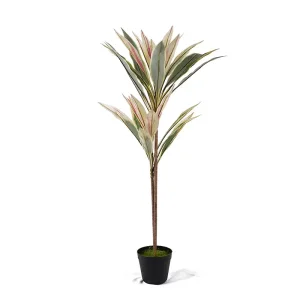
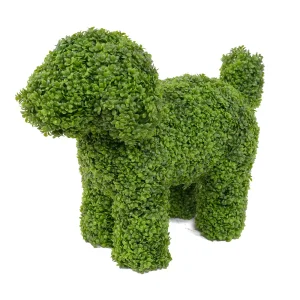
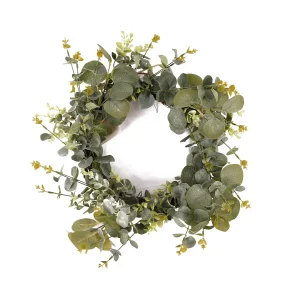
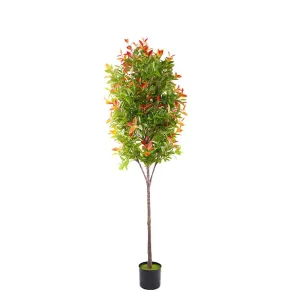
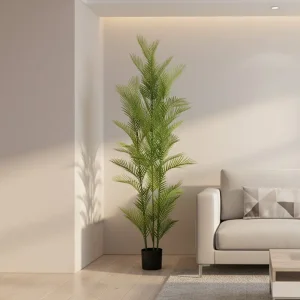
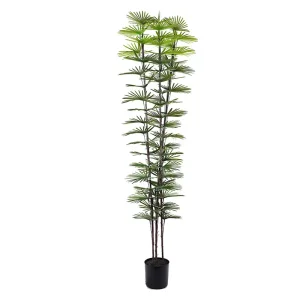
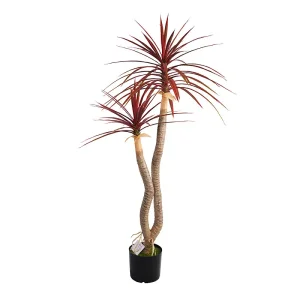
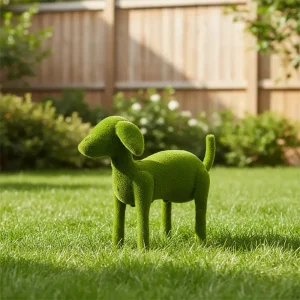
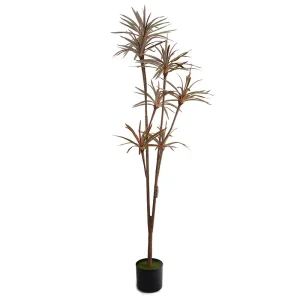
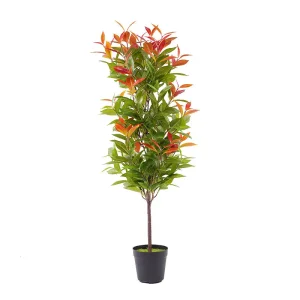
Premium selection of artificial plants, hedges, and architectural foliage manufactured to international standards.
In contemporary biophilic design and large-scale commercial real estate developments, the demand for realistic, zero-maintenance landscaping elements has surged. Among these botanical solutions, the Artificial Lavender Tree has emerged as a key focal point for landscape architects and retail space designers. Lavender, traditionally revered for its soothing purple hues and aesthetic gentleness, presents notable maintenance difficulties when grown naturally indoors or in non-native climates. Real lavender requires extensive sunlight, highly specific soil drainage conditions, and precise watering schedules, failing which it quickly displays browning foliage and woody, barren stems.
To circumvent these operational bottlenecks, global enterprises, hospitality venues, and architectural developers turn to high-end manufacturers in China to source premium synthetic lavender trees. By utilizing state-of-the-art polymer formulations, Chinese factories deliver commercial-grade reproductions that withstand structural wear, preserve vibrant color integrity, and adhere strictly to global safety protocols. This whitepaper serves as an industry guide to selecting, importing, and integrating artificial lavender trees and related foliage in high-traffic settings.
The manufacturing of premium artificial lavender trees relies heavily on advanced material science to achieve bionic replication. Modern commercial developers look beyond mere visual likeness; they require tactile realism, structural longevity, and environmental safety.
Historically, artificial foliage was produced using cheap polyester silks or low-grade plastics that deteriorated rapidly under sunlight, releasing volatile organic compounds (VOCs). Today, market leaders utilize co-extruded Polyethylene (PE) and Polyethylene Vinyl Acetate (PEVA). These polymers allow for ultra-precise injection molding, capturing the natural ridges, delicate details, and organic irregularities of lavender blossoms and foliage.
Exposure to solar radiation causes polymer degradation, causing synthetic materials to fade and turn brittle. Advanced Chinese manufacturers incorporate Hindered Amine Light Stabilizers (HALS) directly into the polymer melt prior to molding, offering certified UV protection that extends the lifecycle of outdoor lavender trees to over 5 years without noticeable color loss.
For indoor commercial placements—such as hotel lobbies, airports, and exhibition centers—fire safety is paramount. Factories integrate Inherently Fire Retardant (IFR) chemical additives during the material extrusion phase, enabling products to pass rigorous testing certificates like EN 13501-1 Class B and US NFPA 701.
The stability of artificial lavender trees is maintained through a dual-material core. Trunks are constructed using treated natural wood (subjected to vacuum-pressure chemical impregnation to prevent rotting or insect infestation) or heavy-duty fiberglass-reinforced plastic (FRP) with internal steel reinforcement for extreme outdoor wind resistance.
Heshan Senmao Craft Co., Ltd., situated in the vibrant city of Heshan, Guangdong, China, has firmly established itself as a leading player in the burgeoning artificial plants market. Boasting rich and profound experience within the horticultural realm, our company has mastered the art of manufacturing an extensive assortment of artificial plants. From the stately plant trees and meticulously crafted bonsai to the charming grass balls, practical grass boards, elegant obelisks, and vibrant flower baskets, our product range is as diverse as it is impressive.
Our product line features an array of customizable artificial plants, including the graceful cypress, the tropical banana, the unique turtle, the spiral-shaped beauty, the fan palm with its distinctive silhouette, the striking tiger plant, and the classic olive trees. Each product is meticulously designed, taking into careful consideration our customers' aesthetic preferences and functional requirements. Whether it's for a cozy residential setting, adding a touch of nature to a bustling commercial space, or enhancing the ambiance of a public area, our artificial plants are the perfect choice.
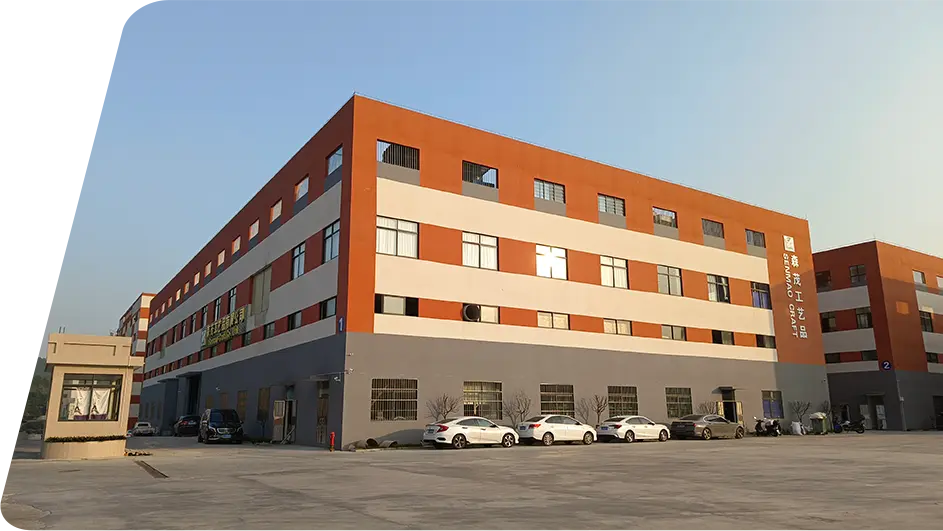
This means that when you choose our products, you are not only enhancing the aesthetic appeal of your space but also making a conscious choice for a greener and more sustainable future. Our artificial plants are endowed with remarkable features. They are UV-resistant, ensuring their colors remain vivid and true even under the harshest sunlight. Their fire-resistant property provides an added layer of safety, making them suitable for various environments. Being environmentally friendly, they require no watering or fertilizing, saving both time and valuable resources.
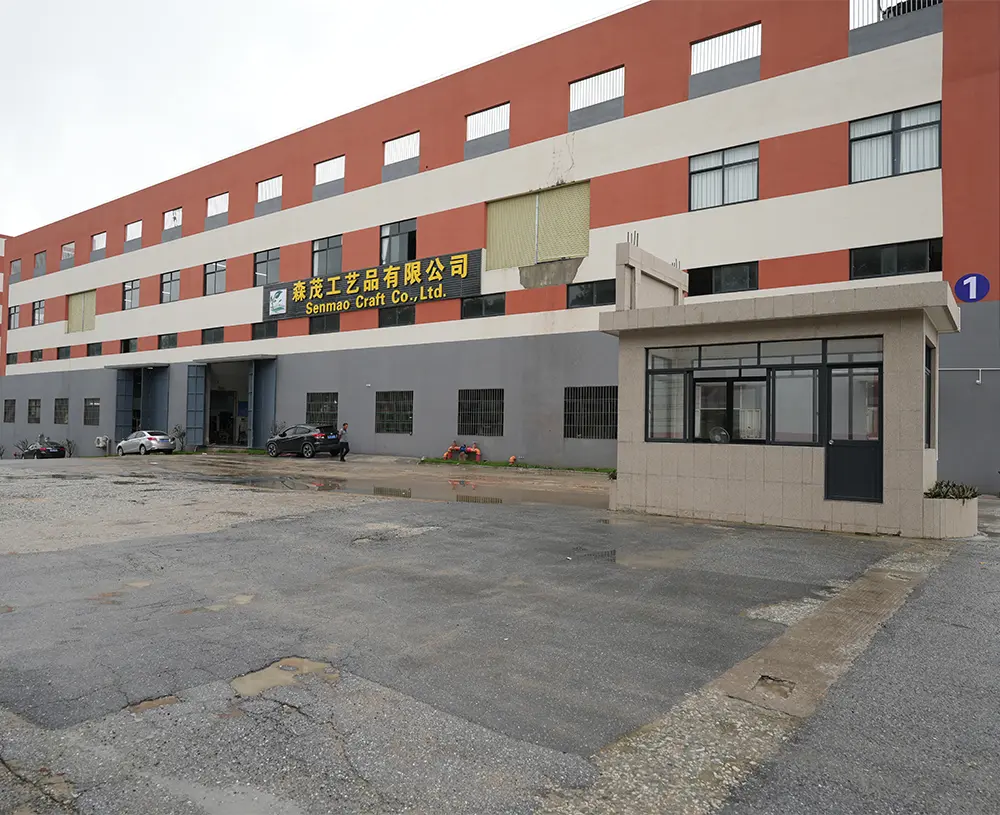
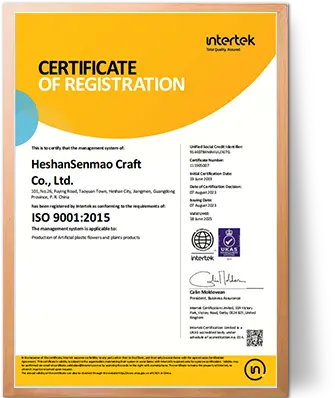
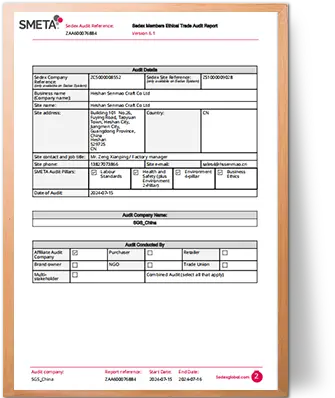
Our commitment to quality and sustainability is unwavering. We hold prestigious certifications such as BSCI, ISO9001, Sedex, and GRS, which not only attest to our strict adherence to ethical business practices but also showcase our profound sense of environmental responsibility.
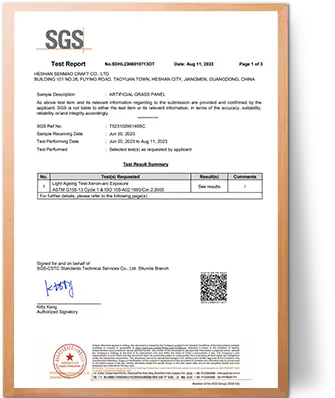
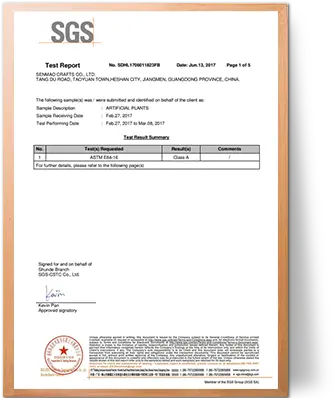
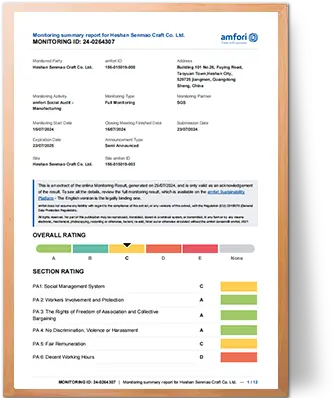
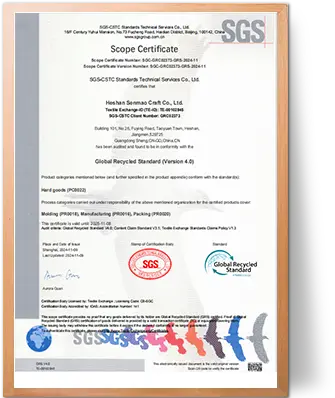
Guangdong Province, specifically the industrial clusters surrounding Heshan, Foshan, and Dongguan, serves as the global epicentre for artificial botanical manufacturing. This region represents over 70% of the world’s supply of high-fidelity synthetic landscaping products. Sourcing artificial lavender trees directly from this cluster offers several unique logistical and manufacturing benefits:
Navigating global chemical and customs barriers is crucial when importing large volumes of synthetic lavender trees. Different economic blocks enforce distinct standards regarding polymer safety and fire performance:
North American Requirements (US & Canada): B2B importers must monitor heavy metal concentrations (lead, cadmium) and phthalate plasticizers. Compliance with the Consumer Product Safety Improvement Act (CPSIA) and California Proposition 65 is standard. For indoor public spaces, flame retardancy must align with NFPA 701 or ASTM E84 (tunnel testing for flame spread and smoke density indices).
European Union Directives: Products entering the European market must comply with the Registration, Evaluation, Authorisation and Restriction of Chemicals (REACH) regulation. Chemical analyses must verify the absence of Substances of Very High Concern (SVHC). In terms of fire safety, EN 13501-1 certification (specifically achieving a classification of B-s1, d0) is required for commercial building interiors.
Global Recycled Standard (GRS) Alignment: Modern enterprise clients increasingly ask for sustainable options. GRS certification ensures that a defined percentage of the PE/PEVA polymers used in the artificial lavender trees is derived from verified post-consumer recycled sources, reducing the carbon footprint of the project.
Faux lavender trees and hedges can be integrated across diverse spatial concepts, each with its own functional parameters:
1. Hospitality & Spa Centers: Real lavender is synonymous with relaxation. However, the organic debris and moisture required for live lavender can attract insects and harbor mold. Artificial lavender trees offer the visual cues of wellness without compromising the clean environment required in luxury spas, salons, and hotel suites.
2. High-Traffic Retail Malls: Shopping centers use synthetic lavender trees in central courtyards, pathway dividers, and seasonal window displays. These high-impact zones require foliage that is structurally resilient to physical contact and easily cleaned via simple dusting or water washing.
3. Corporate Wellness Offices: Modern office designs incorporate biophilic dividers. Artificial lavender structures are used to segment collaborative spaces from quiet workstations, providing acoustic diffusion and visual variety without requiring maintenance staff to water or prune them.
4. Exterior Balconies & Terraces: Under intense sun or freezing conditions, real plants struggle. UV-stable synthetic lavender trees maintain their shape and color on high-altitude office balconies and restaurant patios year-round, minimizing replacement costs.
A comprehensive range of bionic palms, trees, grass wall panels, and bespoke sculptures.
 Senmao garden