Architectural-grade exterior foliage panels, hyper-realistic potted trees, and customized botanical sculptures engineered for high-exposure outdoor deployments.

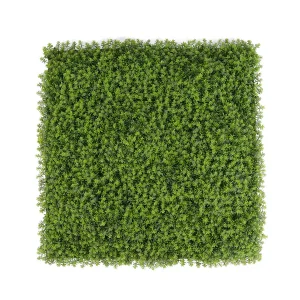
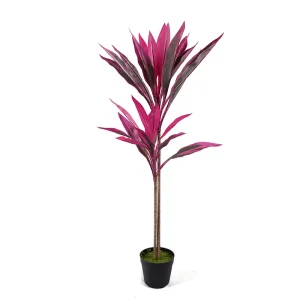
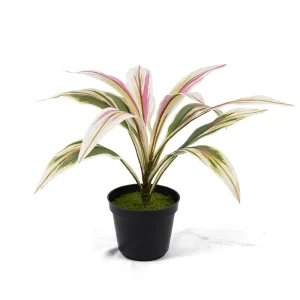

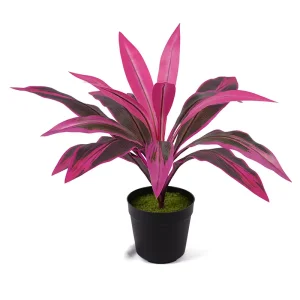

The demand for industrial-grade artificial outdoor bushes and trees has undergone a paradigm shift. In response to regional water scarcity, stricter municipal environmental policies, and rising maintenance budgets, developers and landscape planners are looking beyond conventional vegetation. Modern commercial projects require botanical installations that withstand intense solar exposure, strong winds, and extreme temperatures, without showing signs of degradation.
As global urbanization accelerates, integrating natural greenery into dense concrete spaces is becoming increasingly difficult. Structural weight restrictions on rooftops, the absence of natural irrigation, and poor sunlight levels restrict live landscaping. Synthetics engineered to exact commercial specifications fill this gap. By utilizing advanced UV-resistant polymers and structural frameworks, manufacturers provide scalable, permanent greenery solutions that replicate natural plant behavior and texture.
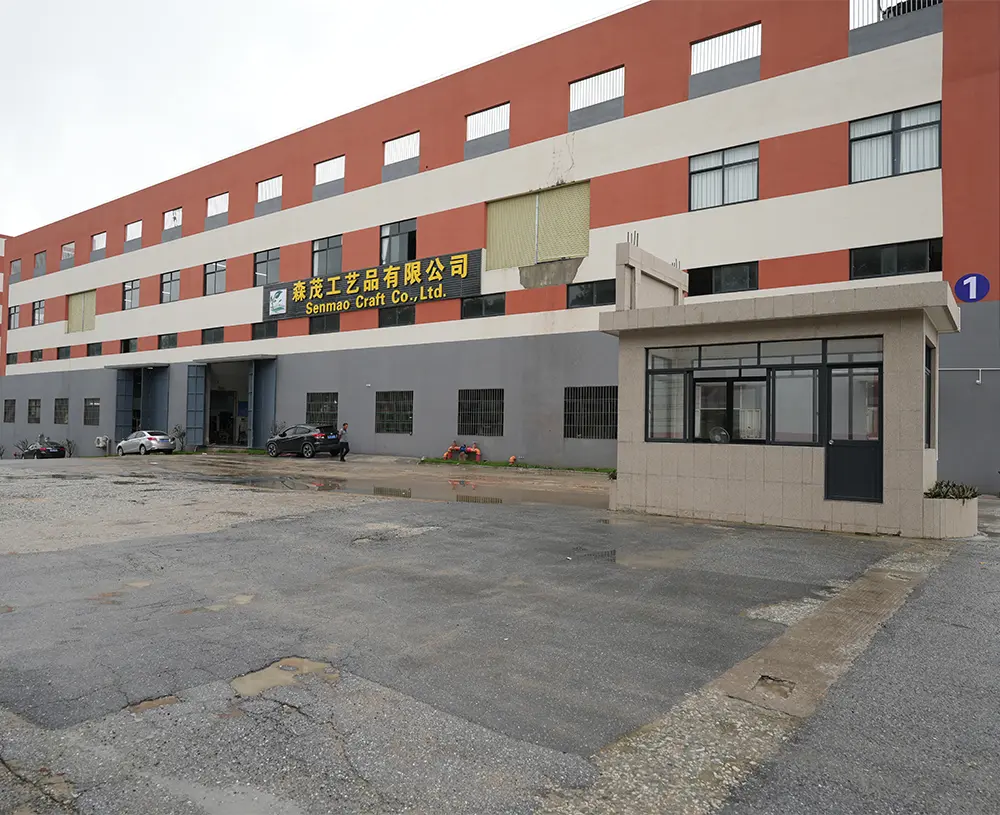
Today, China stands as the primary hub for global synthetic greenery manufacturing. Facilities in Guangdong, particularly Heshan Senmao Craft Co., Ltd., lead this development, applying cutting-edge chemical formulations and structural engineering to produce architectural-grade alternatives to live boxwood, cypress, and tropical foliage.
Why typical plastics fail under solar radiation and how advanced chemical stabilizers shield synthetic leaves from thermal and UV oxidation.
Unlike basic decorative plastics that fade under direct sunlight, outdoor-rated greenery contains Hindered Amine Light Stabilizers (HALS) directly compounded into the Polyethylene (PE) matrix before extrusion. This structural molecular defense absorbs ultraviolet light, preventing the polymer chains from cracking, fading, and degrading.
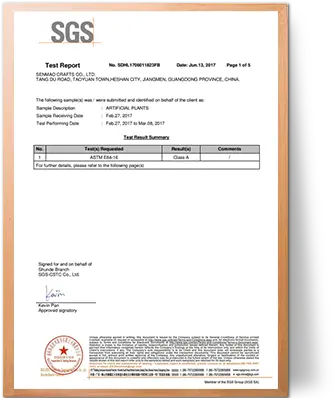
Safety compliance is crucial for indoor and outdoor commercial areas. Leading manufacturers integrate flame-retardant compounds, ensuring components pass strict UL94 V-2 or Class B fire testing standards. This structural resistance prevents flame propagation during fire incidents.
The foliage is constructed from advanced Polyethylene (PE), blended with low-density variations (LDPE) to give leaves flexibility. The polymer structure keeps leaves soft and flexible, mimicking natural foliage, while retaining high tensile strength to withstand high-wind areas.
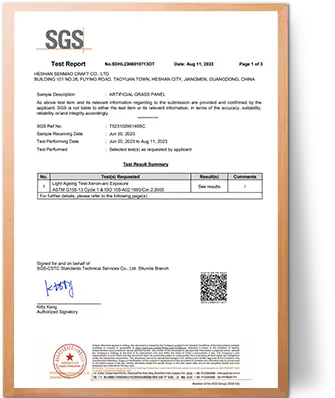
To guarantee durability in arid and tropical locations, materials are tested in specialized labs. The ASTM G154 standard exposes synthetic materials to cycling UV light, humidity, and heat, simulating multi-year environmental exposure. Outdoor-rated synthetic leaves are designed to withstand over 3,000 hours of continuous testing, retaining over 90% of their original colorfastness and physical properties.
Heshan Senmao Craft Co., Ltd., situated in the vibrant city of Heshan, Guangdong, China, has firmly established itself as a leading player in the burgeoning artificial plants market. Boasting rich and profound experience within the horticultural realm, our company has mastered the art of manufacturing an extensive assortment of artificial plants. From the stately plant trees and meticulously crafted bonsai to the charming grass balls, practical grass boards, elegant obelisks, and vibrant flower baskets, our product range is as diverse as it is impressive.
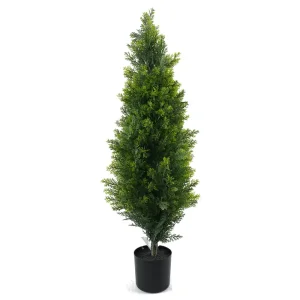
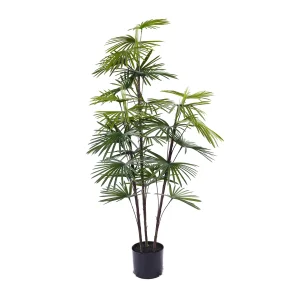
This means that when you choose our products, you are not only enhancing the aesthetic appeal of your space but also making a conscious choice for a greener and more sustainable future. Our product line features an array of customizable artificial plants, including the graceful cypress, the tropical banana, the unique turtle, the spiral-shaped beauty, the fan palm with its distinctive silhouette, the striking tiger plant, and the classic olive trees. Each product is meticulously designed, taking into careful consideration our customers' aesthetic preferences and functional requirements.
Whether it's for a cozy residential setting, adding a touch of nature to a bustling commercial space, or enhancing the ambiance of a public area, our artificial plants are the perfect choice. Moreover, our artificial plants are endowed with remarkable features. They are UV-resistant, ensuring their colors remain vivid and true even under the harshest sunlight. Their fire-resistant property provides an added layer of safety, making them suitable for various environments. Being environmentally friendly, they require no watering or fertilizing, saving both time and valuable resources.
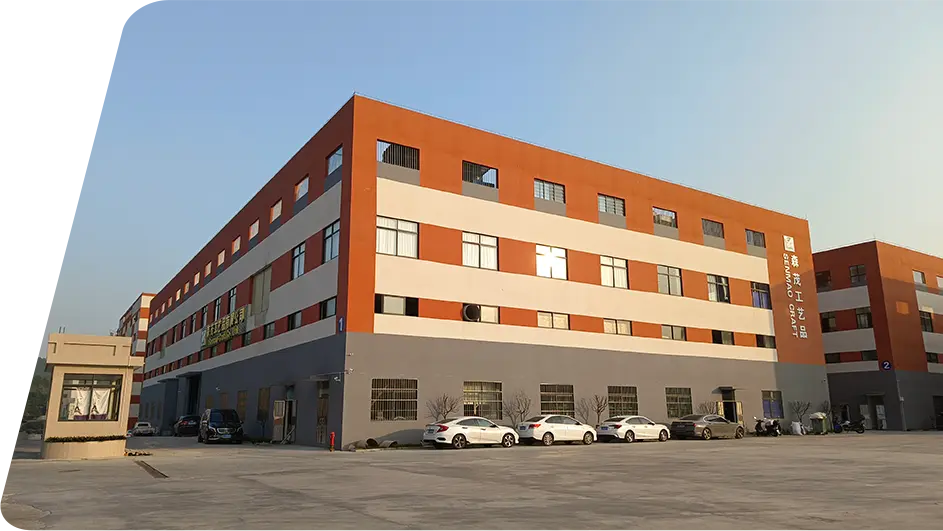
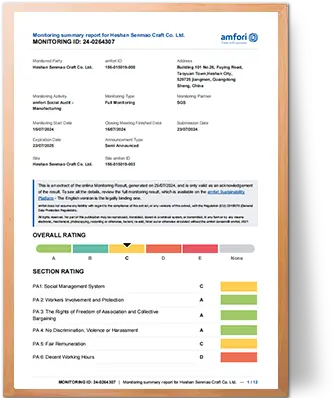
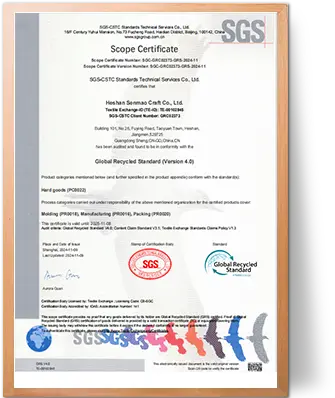
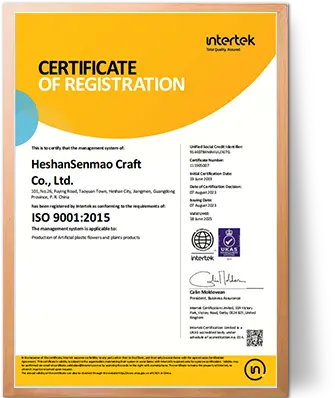
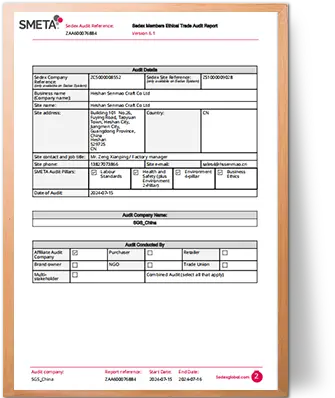
Our commitment to quality and sustainability is unwavering. We hold prestigious certifications such as BSCI, ISO9001, Sedex, and GRS, which not only attest to our strict adherence to ethical business practices but also showcase our profound sense of environmental responsibility.
How landscape architects and design professionals incorporate synthetic greenery to meet functional and aesthetic challenges.
Modern office hubs, hospitality venues, and retail complexes rely on biophilic design principles to improve visitor well-being and dwell time. Synthetic greenery enables architects to create complex green walls and plant dividers in areas where live plants cannot thrive.
Unlike organic systems, which need continuous moisture, synthetic green walls do not introduce humidity issues or structural risks to building masonry. They act as natural visual dampeners and acoustic panels, helping reduce sound reverberation in large concrete, steel, and glass atrium settings.
Provides greenery in multi-level malls, corporate offices, and central courtyards where structural weight limits make natural trees impractical.
Used on balconies and outdoor hotel spaces to offer instant, long-lasting privacy blockages that handle high-velocity wind loads.
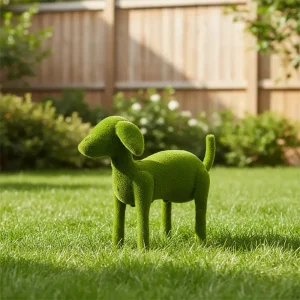
Perfect for theme parks, gardens, and commercial displays, offering shaped designs like puppies, bears, and pugs without continuous maintenance.
Evaluating the financial differences and maintenance costs of Natural Foliage versus Advanced Synthetic Plants over a 10-year project lifecycle.
While natural plants have low initial material costs, their ongoing maintenance needs can impact operational budgets. Live plants require continuous watering, chemical fertilizers, structural trimming, and pest control, along with energy for irrigation pumps.
Furthermore, outdoor plants in commercial spaces are highly susceptible to diseases, seasonal changes, and heat stress. The cost of replacing dead or dying natural trees and bushes can double the original investment within a few years.
Estimated ROI Recovery: 18-24 Months
By eliminating utility expenses, continuous pruning, and plant replacements, property managers can recover the cost of synthetic plants within 2 years.
How the synthetic foliage sector plans to integrate sustainable polymers, self-cleaning coatings, and circular recycling models over the next decade.
Future manufacturing relies on materials certified by the Global Recycled Standard (GRS). Using recycled marine plastics and consumer polymers, companies create durable outdoor products that support a circular model, minimizing carbon footprint and pollution.
By applying thin titanium dioxide (TiO2) coatings to leaf surfaces, natural UV light triggers a self-cleaning action. This photocatalytic process breaks down organic grime and dust, allowing rain to easily wash the leaves clean and reducing manual maintenance.
Research into plant-derived bioplastics aims to create high-durability polymers that decompose safely at the end of their lifecycle. These bio-polymers will provide UV and weather resistance, and then break down under specific industrial composting conditions.
Key technical details and purchasing guidance for global buyers and commercial landscape planners.
Color fading is caused by solar UV radiation breaking down polymer bonds. At Heshan Senmao, we blend specialized UV stabilizers and Hindered Amine Light Stabilizers (HALS) into the polyethylene before molding, rather than applying a simple spray-on coat. This integrates UV protection throughout the material, ensuring the leaves maintain their color even under intense direct sunlight.
Yes. Our synthetic plants are built on galvanized steel or heavy-duty composite structures. They are designed to withstand freezing temperatures without cracking. The structural backing grids for our boxwood and green wall panels are flexible yet strong, accommodating physical expansion and contraction during extreme temperature swings.
We manufacture flame-retardant artificial greenery using specialized chemical additives mixed into the raw polymer. Our products meet key fire safety standards, such as UL-94 and EN 13501-1 Class B. This prevents the foliage from fueling fires, making it suitable for high-density commercial spaces.
Heshan Senmao is certified under major international standards, including BSCI (Business Social Compliance Initiative), ISO9001 (Quality Management), Sedex, and GRS (Global Recycled Standard). These certifications verify that our materials and labor practices meet global standards for safety and ethics.
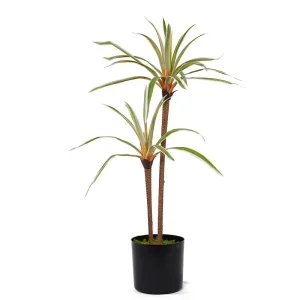
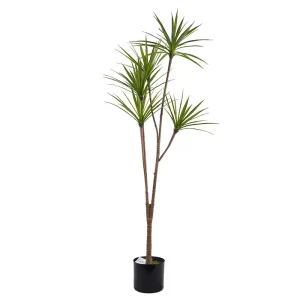
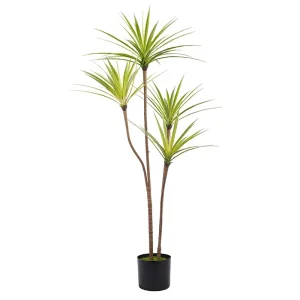
Yes. We offer fully customizable manufacturing. Clients can customize height, leaf density, colors, and species shapes—such as cypress, dracaena, and olive trees—to meet specific project needs. We also produce custom-shaped animal topiary sculptures, including puppies, bears, and pugs.
Industrial-grade artificial topiary trees, detailed boxwood panels, and custom-flocked animal structures designed for commercial and public spaces.



 Senmao garden