In the contemporary architecture and design landscapes, the utilization of synthetic vegetation has graduated from a mere decorative alternative to a major element of commercial spatial design. Global real estate development, urban public infrastructure, and hospitality design now prioritize the integration of biophilic components to foster human well-being, maximize comfort, and capture environmental aesthetics. However, as large-scale installations of artificial foliage expand across indoor commercial spaces, high-density residential properties, and outdoor public spaces, they meet stringent regulatory hurdles regarding fire safety and public welfare.
Standard synthetic grass panels and plastic hedges manufactured from low-grade polymers act as highly flammable accelerants. In the event of a fire, untreated polymers produce rapid flame propagation, dense black smoke, and toxic gas emissions, representing severe risks to life and structural integrity. To address these vulnerabilities, engineering standards demand the integration of inherent flame-retardant (IFR) technology in synthetic grass production.
Globally recognized flame-retardant parameters, including the European Standard EN 13501-1 (Class B-s1, d0) and the American Standard ASTM E84 (Class A), govern the specification of interior and exterior artificial landscaping materials. Compliance with these specifications ensures that synthetic foliage suppresses combustion, limits smoke development, and prevents burning droplets.
As building safety codes tighten from New York to London and Sydney, standardizing fire-retardant materials has shifted from premium specification to mandatory requirement.
Enterprise buyers, municipal developers, and property managers deploy flame-retardant decorative grass to lower commercial property insurance premiums and limit environmental liability. By utilizing certified fire-retardant plants, entities actively reduce their structural exposure to accidental ignition hazards.
Modern structures must comply with strict fire rating codes for indoor communal environments. High-rise office lobbies, transportation hubs, hospitality venues, and medical facilities enforce strict policies, rejecting any synthetic landscaping products that lack formal flame-retardant certification credentials.
While the initial cost of premium, fire-retardant polymers exceeds standard plastic plants, the extended lifespan, color retention, low upkeep requirements, and elimination of post-treatment fire retardant sprays deliver a significantly lower total cost of ownership over a 5 to 10-year lifecycle.
For decades, China has served as the epicenter of artificial foliage manufacturing. However, a major paradigm shift is taking place. The industry has transitioned from low-tech, labor-intensive workshops into automated, high-precision, and environmentally compliant **Industry 4.0 Smart Manufacturing Facilities**. This development ensures that global distributors, landscape designers, and commercial contractors receive products of exceptional consistency, superior durability, and full regulatory compliance.
The manufacturing edge of Chinese leaders in this space relies on three core pillars:
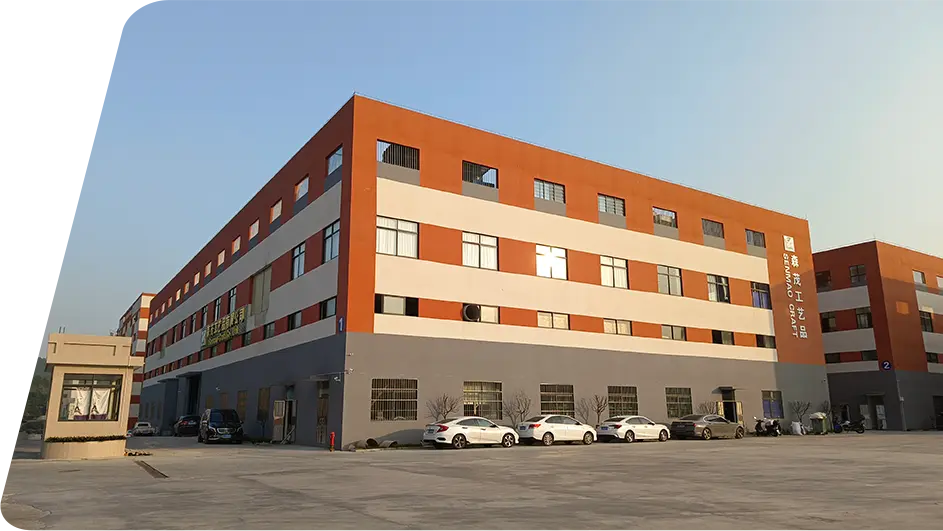
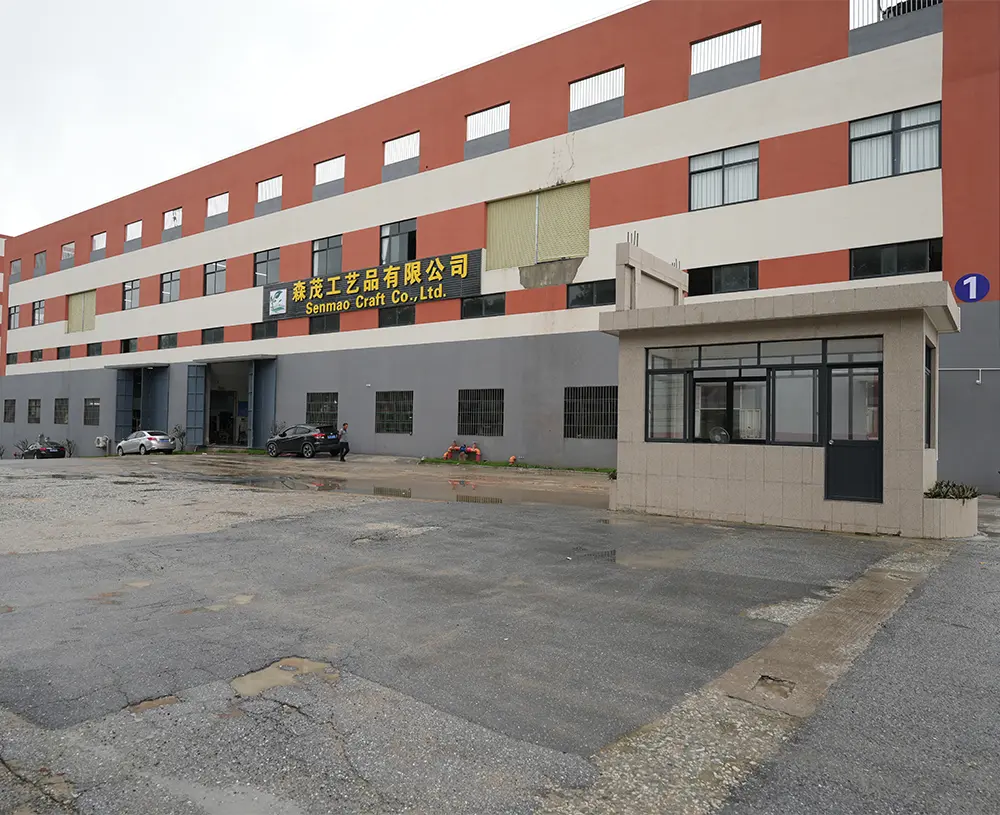
Situated in the industrial city of Heshan, Guangdong, China, Heshan Senmao Craft Co., Ltd. has established itself as an innovative force in the global artificial plants sector. Possessing extensive experience in the horticultural design and manufacturing fields, the enterprise specializes in developing realistic, durable, and highly functional synthetic flora.
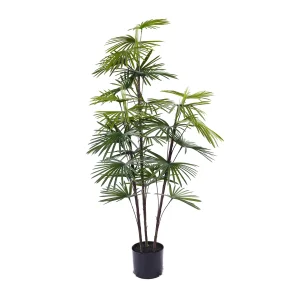
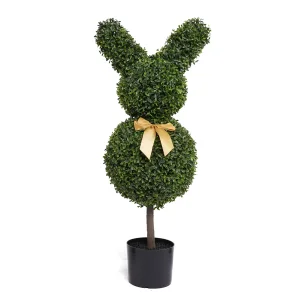
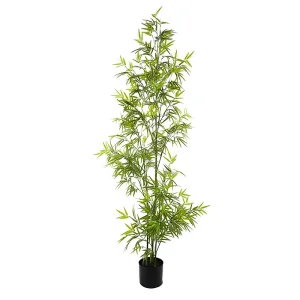
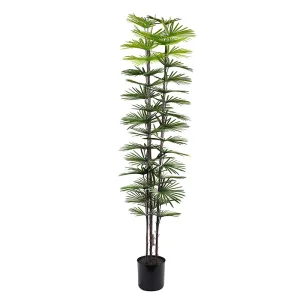
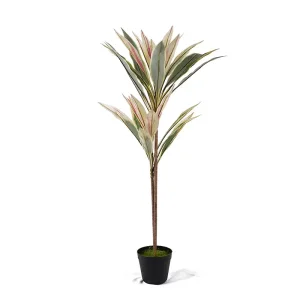
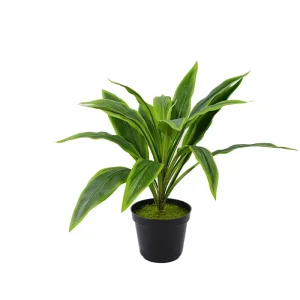
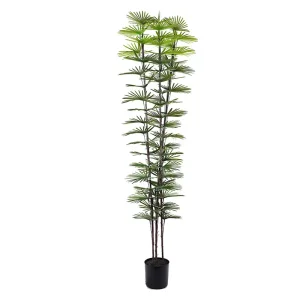
Our comprehensive portfolio ranges from structural plant trees, meticulously structured bonsai, and dense grass balls, to practical grass boards, elegant architectural obelisks, and vibrant hanging flower baskets. By integrating advanced raw materials with precise manufacturing techniques, our customizable offerings—such as the graceful Cypress, the tropical Banana, the detailed Turtle Leaf, the spiral topiaries, the Fan Palm, and our classic Olive Trees—satisfy the design demands and technical performance requirements of the world’s most prestigious development initiatives.
Heshan Senmao holds international certifications verifying ethical business operations, rigorous quality control, and progressive ecological accountability.
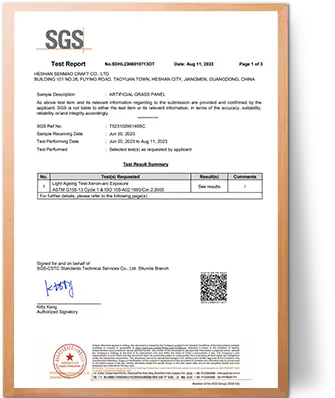
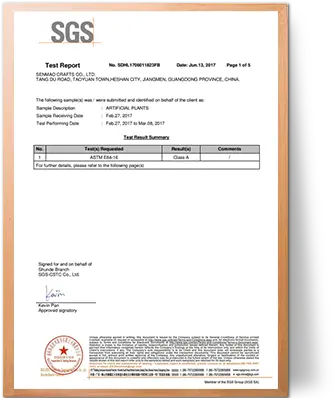
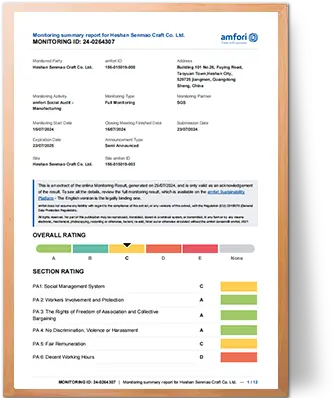
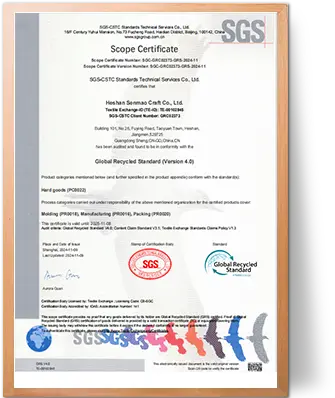
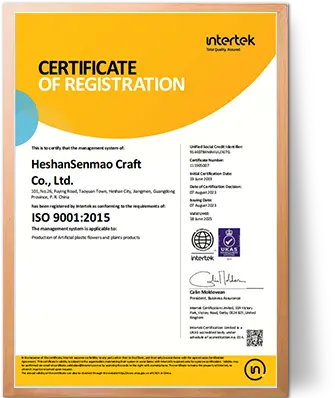
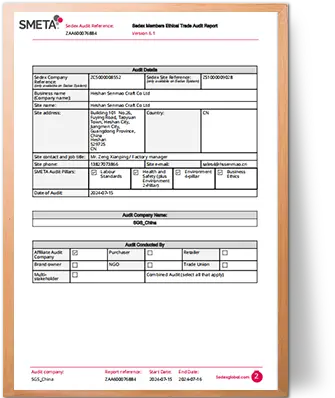
Through our compliance with BSCI, ISO9001, Sedex, and GRS, we ensure that every procurement partner receives products that meet international labor, chemical safety, and recycling standards.
Fire-retardant synthetic plants and decorative grass walls are deployed in diverse architectural projects to satisfy both creative aesthetics and safety regulations.
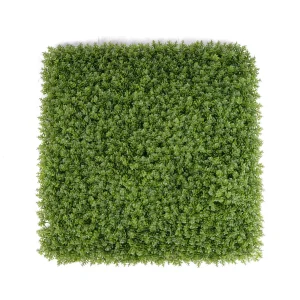
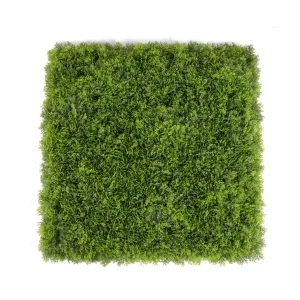
In high-occupancy environments such as hotel lobbies, atrium zones, and restaurants, custom green walls and vertical hedge panels create a welcoming biophilic atmosphere. The application of flame-retardant grasses ensures compliance with municipal indoor fire-safety rules.
Airports, rail stations, and shopping malls feature large interior spaces exposed to high public foot traffic. Installing fire-retardant boxwood panels and palm foliage provides a natural look that requires no water or ongoing maintenance, all while maintaining high safety standards.
Outdoor boundary fencing, balcony dividers, and streetscape accents face intense sunlight exposure and variable weather. Utilizing UV-resistant, fire-retardant PE grass panels prevents sun-bleaching and minimizes fire risks caused by discarded cigarettes or electrical issues.
Key information to assist procurement managers, landscape architects, and import-export operators during technical evaluations.
 Senmao garden