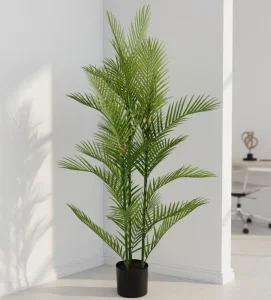
Engineered for extreme UV exposure, high foot traffic, and low maintenance in premium hotel settings.
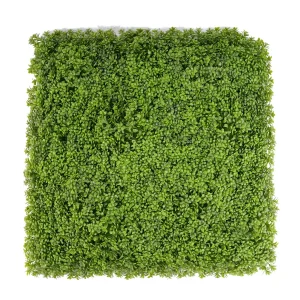
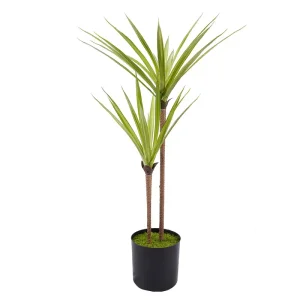
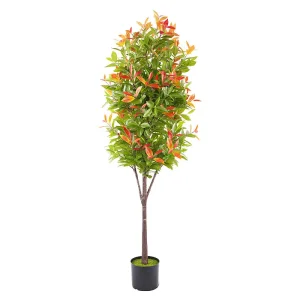
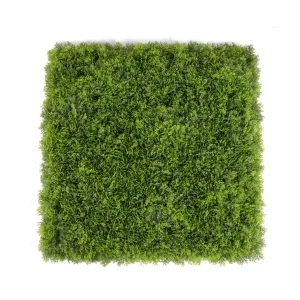

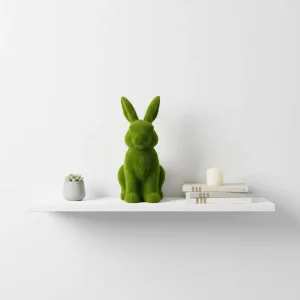
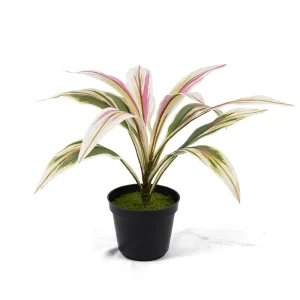
How architectural-grade bionic plant systems optimize CAPEX, lower operational water footprints, and secure continuous biophilic aesthetics.
In the contemporary landscape architecture sector, the integration of biophilic elements into hotel designs has transitioned from a premium option to a fundamental guest expectation. High-end resorts, boutique hotels, and urban hospitality facilities utilize greenery to soothe, restore, and impress visitors. However, maintaining living turf, boxwood walls, and tropical plants in high-stress outdoor environments presents significant financial and operational hurdles.
Intense solar radiation (UV degradation), water shortages, localized fertilizer regulations, and the constant labor cost of trimming, replanting, and pest management cut directly into hotel profitability. This has catalyzed a major industrial shift towards architectural-grade sun-resistant grass, foliage, and bionic plant installations.
As a leading Chinese designer and manufacturer, Heshan Senmao Craft Co., Ltd. has engineered a comprehensive portfolio of synthetic boxwoods, grass boards, structural trees, and custom topiaries. By integrating proprietary UV-inhibiting compounds directly into the structural polymer extrusion process, we provide commercial-grade foliage that remains vibrant and stable through decades of harsh solar exposure.
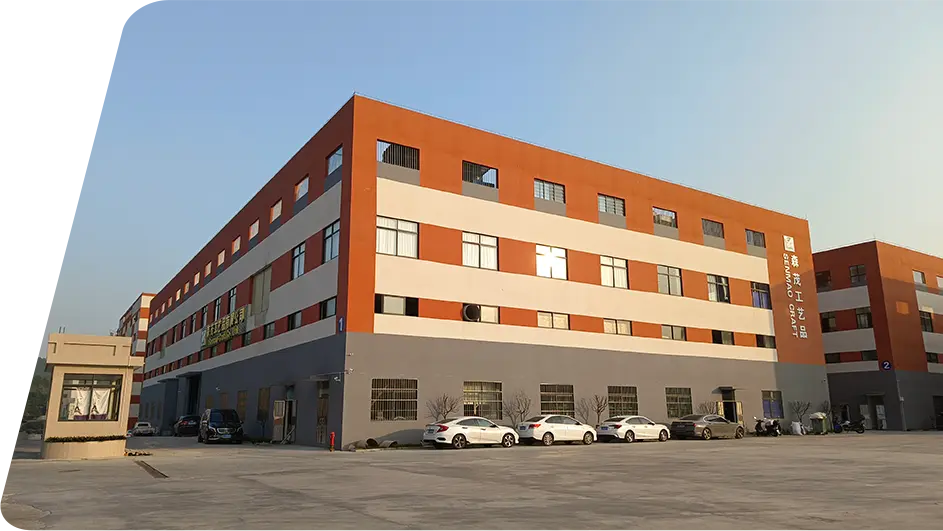
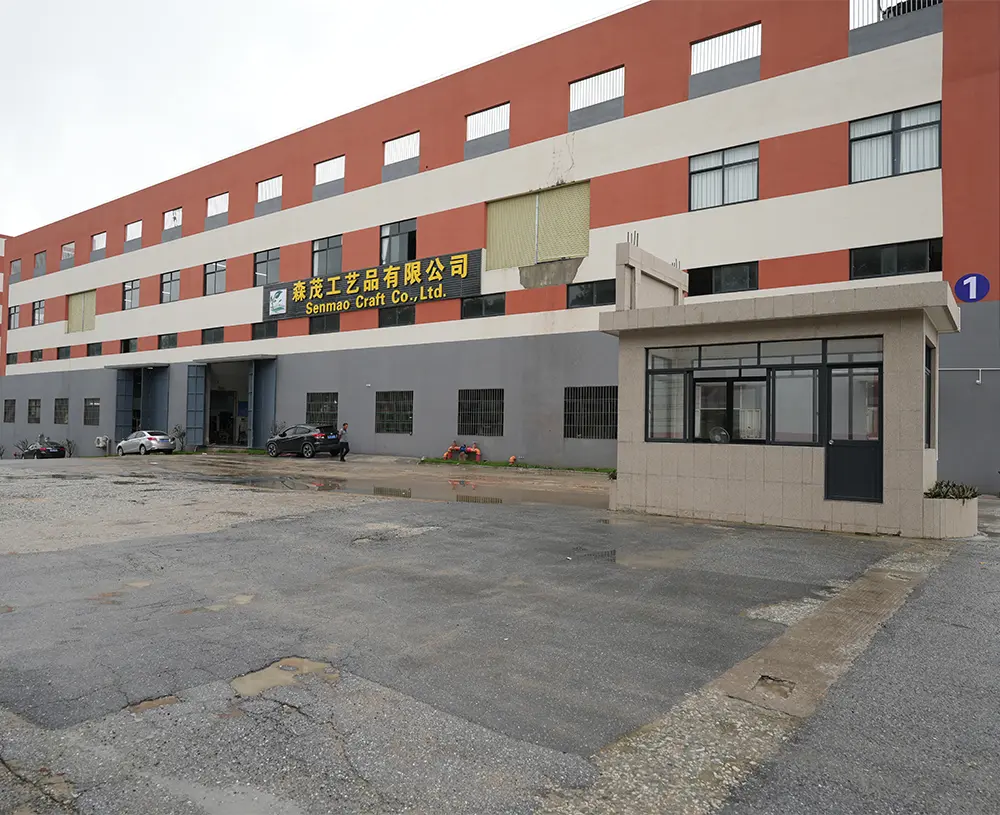
Heshan Senmao Craft Co., Ltd., situated in the vibrant city of Heshan, Guangdong, China, has firmly established itself as a leading player in the burgeoning artificial plants market. Boasting rich and profound experience within the horticultural realm, our company has mastered the art of manufacturing an extensive assortment of artificial plants.
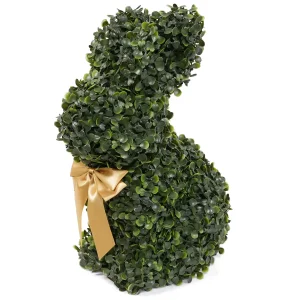
From the stately plant trees and meticulously crafted bonsai to the charming grass balls, practical grass boards, elegant obelisks, and vibrant flower baskets, our product range is as diverse as it is impressive. Our state-of-the-art facility in Guangdong integrates raw polymer material processing, high-fidelity mold injection, structural assembly, and stringent quality control. This allows us to serve the most demanding hotel architectural firms and global wholesale distributors with unmatched speed, cost efficiency, and design flexibility.
Why typical plastics fade, crack, and fail—and how Heshan Senmao's custom-engineered compounds survive extreme sunlight.
Typical plastic artificial foliage degrades quickly under sunlight due to photo-oxidation caused by UV radiation. At Heshan Senmao, we integrate Hindered Amine Light Stabilizers (HALS) directly into the masterbatch. The UV stabilizers are thoroughly blended with the PE/PP raw polymers before extrusion. This ensures that protection is built throughout the entire material structure, preventing fading, embrittlement, and cracking, even in regions with high solar radiation.
Commercial and hospitality environments must comply with strict fire safety regulations. Our specialized indoor and outdoor foliage is manufactured using halogen-free flame retardants. This allows our products to meet strict fire protection certifications (such as BS5852 or EN13501 compliance pathways). In the event of exposure to heat, our foliage suppresses flames rather than fueling them, preventing hazardous smoke and fire spread.
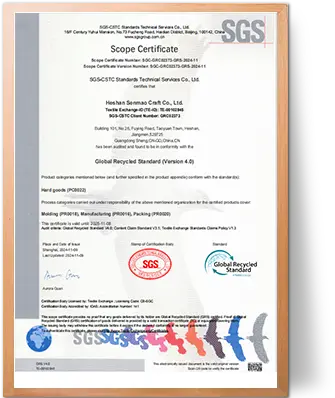
Sustainability is central to our material development. By utilizing up to 100% recyclable PE and adhering to Global Recycled Standard (GRS) pathways, we produce high-performance landscaping products with a minimized carbon footprint. This allows developers to gain points for green building certifications like LEED or BREEAM, while maintaining a stunning landscape year-round.
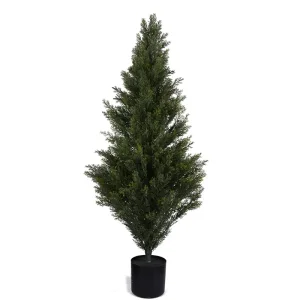
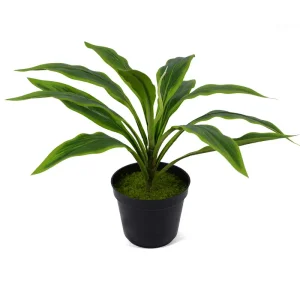
When you choose our products, you are not only enhancing the aesthetic appeal of your space but also making a conscious choice for a greener and more sustainable future. Our product line features an array of customizable artificial plants, including the graceful cypress, the tropical banana, the unique turtle plant (monstera), the spiral-shaped beauty, the fan palm with its distinctive silhouette, the striking tiger plant, and the classic olive trees.
Each product is meticulously designed, taking into careful consideration our customers' aesthetic preferences and functional requirements. Whether it's for a cozy residential setting, adding a touch of nature to a bustling commercial space, or enhancing the ambiance of a public area, our artificial plants are the perfect choice. Moreover, our products are endowed with remarkable features: they are UV-resistant, ensuring their colors remain vivid and true even under the harshest sunlight; and their fire-resistant properties provide an added layer of safety, making them suitable for various environments. Being environmentally friendly, they require no watering or fertilizing, saving both time and valuable resources.
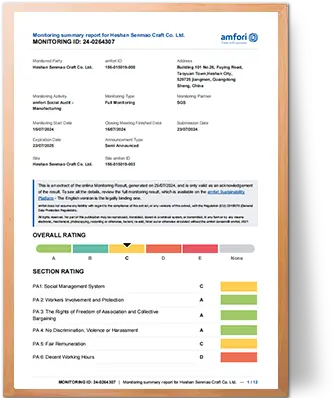
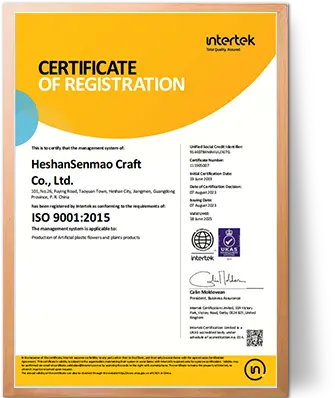
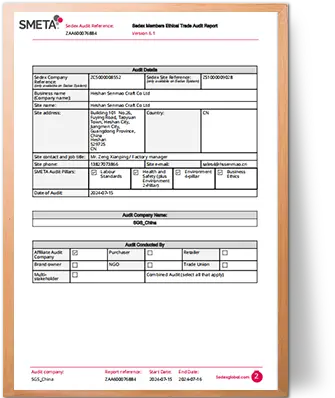
Our commitment to quality and sustainability is unwavering. We hold prestigious certifications such as BSCI, ISO9001, Sedex, and GRS, which not only attest to our strict adherence to ethical business practices but also showcase our profound sense of environmental responsibility. These globally recognized audits ensure that our manufacturing lines operate under fair working conditions, verify our quality management systems, and validate our recycled material supply chain.
Key forces shaping global procurement of synthetic foliage for hotel gardens and commercial interiors.
With global temperatures rising and water use policies tightening, municipalities worldwide are placing caps on commercial water consumption. Hotel gardens, historically demanding heavy irrigation, are transitioning to synthetic alternatives to meet local water regulations. High-density, sun-resistant grass panels provide green spaces without drawing from local water supplies.
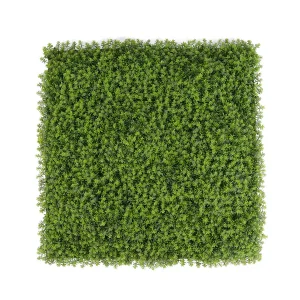
Urban real estate demands the incorporation of natural elements to combat "concrete fatigue." Modern hotels utilize green walls on facades, terraces, and rooftops. Because living vertical gardens are difficult to irrigate and maintain at height, bionic foliage (such as UV-resistant boxwood panels) is widely selected as the standard for commercial exterior applications.
Institutional developers prioritize materials with verifiable eco-credentials. Suppliers certified under the Global Recycled Standard (GRS) are preferred. Sustainable manufacturing is no longer optional; it is a primary requirement for B2B procurement in North American, European, and Middle Eastern markets.
Crucial procurement steps to ensure quality, longevity, and compliance in commercial landscape projects.
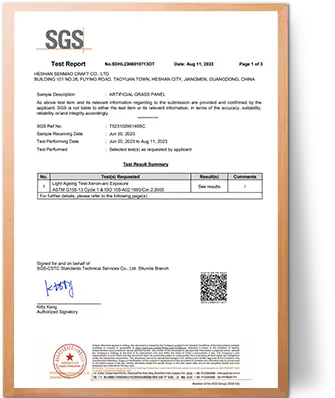
Procurement teams must request test reports proving UV resistance. Quality synthetic foliage is evaluated under accelerated weather testing (such as Xenon arc exposure). Materials must maintain structural integrity and color fastness after exposure to intense UV radiation without significant fading or deterioration.
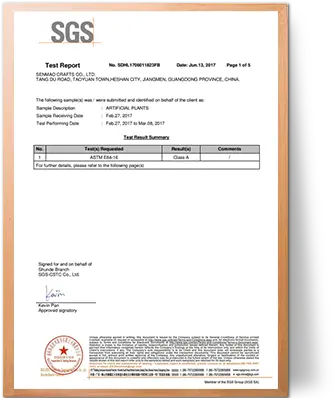
For indoor high-traffic zones and exterior emergency exits, building codes require artificial foliage to meet fire-retardant standards. Procurement agents must verify that products have been tested for flame spread, smoke development, and self-extinguishing capabilities to satisfy regional fire safety requirements.
Working directly with certified factories like Heshan Senmao prevents intermediary delays and guarantees reliable quality. Audited compliance through BSCI and Sedex ensures ethical manufacturing processes and capacity verification, providing reliable lead times and consistent product standards.
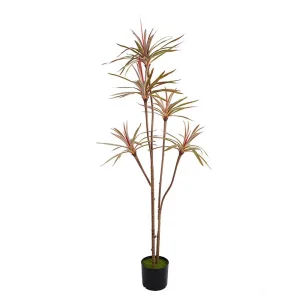
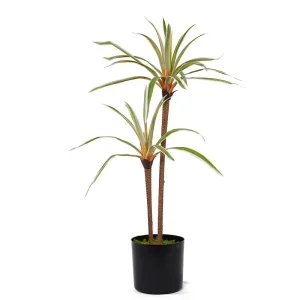
Standard solutions rarely fit unique hospitality layouts. Suppliers must offer custom options in plant height, leaf density, species selection (such as Areca Palm, Dracaena, Cypress), and pot configurations, allowing designers to create cohesive landscapes that align with the hotel's aesthetic branding.
The future of bionic landscaping: Bio-based polymers, smart recycling, and structural advancement.
The industry is moving toward polymers derived from sugarcane, starch, and agricultural waste. These materials mimic the texture and elasticity of standard PE/PP while significantly reducing fossil fuel consumption during production.
Future product lines will focus on circular design principles. By using a single polymer type for leaves, backing, and support structures, products can be easily recycled at the end of their lifecycle without complex material separation.
Modern developers utilize 3D spatial planning tools to integrate synthetic foliage early in the building design process. Virtual mockups help determine wind resistance, sunlight exposure, and drainage requirements before installation begins.
Answers to common questions regarding specifications, logistics, and product features.
Explore our range of UV-stable plants, custom topiaries, and outdoor landscaping solutions.

 Senmao garden