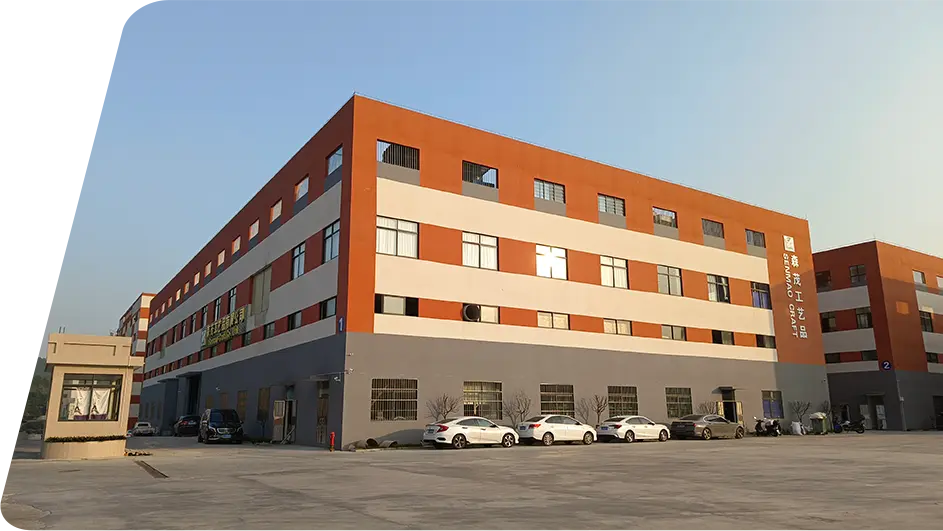
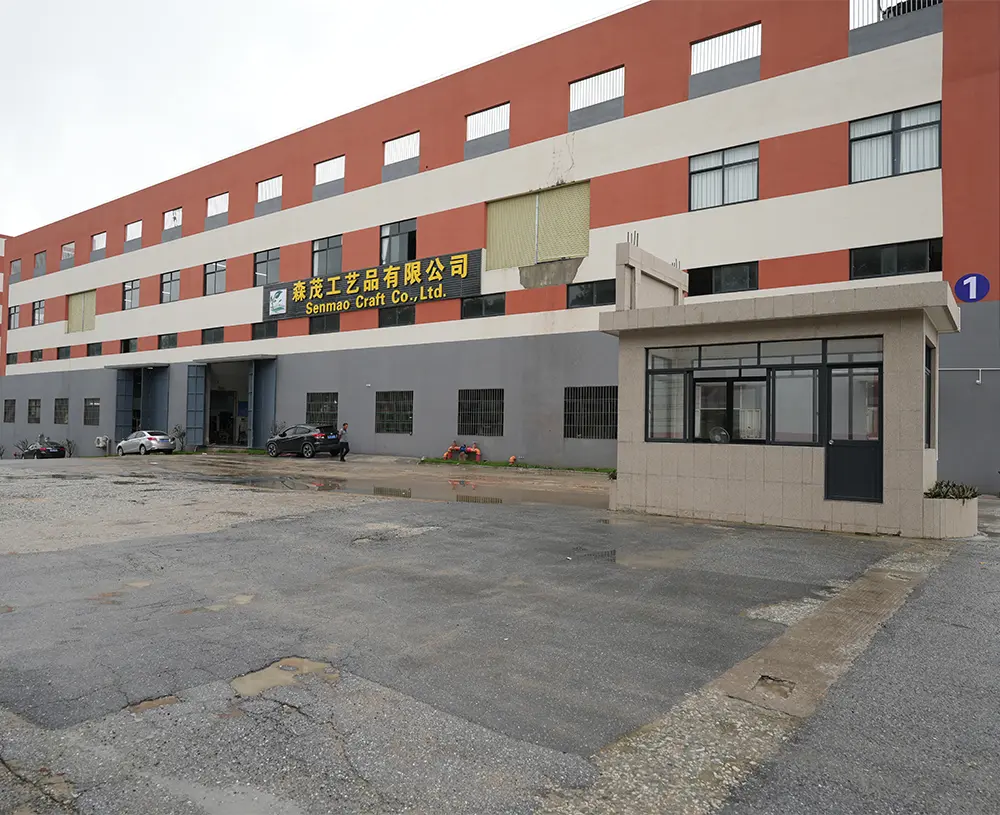
Established as a pillar of innovation in the global botanical design industry, Heshan Senmao Craft Co., Ltd. is situated in the high-growth industrial cluster of Heshan, Guangdong, China. As a premier manufacturer of premium faux greenery and biophilic living room accent wall systems, our team leverages extensive horticultural experience, scientific polymer formulation, and advanced structural designs.
Our comprehensive production matrix encompasses architectural plant trees, highly detailed artificial bonsai, interlocking grass boards, geometric grass balls, robust outdoor obelisks, and versatile floral installations. We cater directly to commercial developers, interior architects, global importers, and e-commerce leaders who seek customizable, aesthetic solutions without spatial or biological constraints.
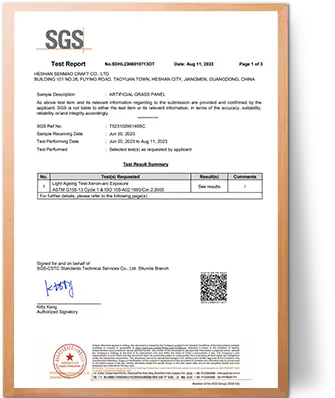
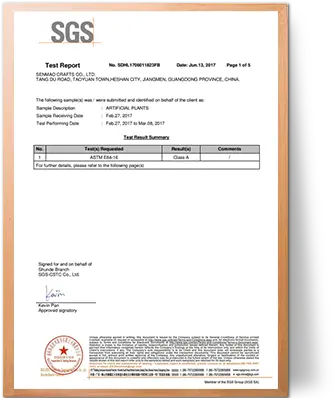
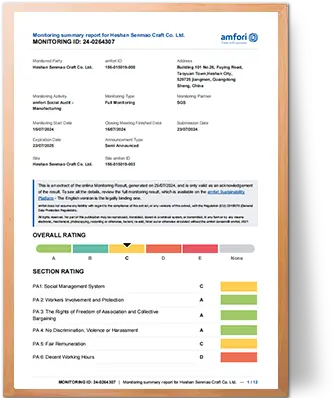
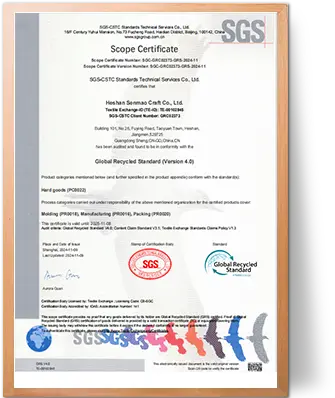
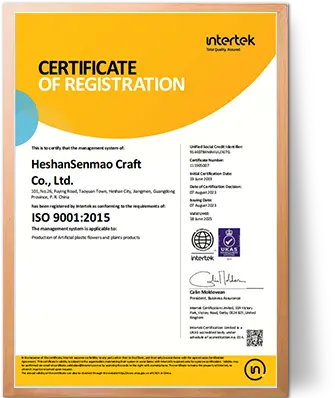
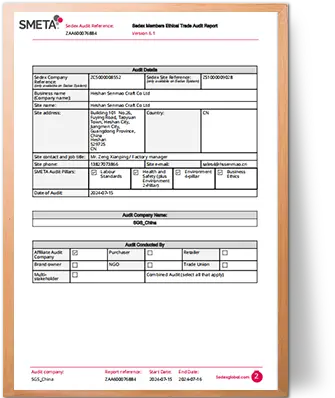
Our alignment with international building codes and sustainability criteria is verified by prestigious global testing bodies. We ensure that our supply chain adheres strictly to moral manufacturing protocols and chemical safety standards.
In modern spatial architecture, the search term “living room accent wall” has evolved from traditional paint and timber cladding to high-performance, modular biophilic wall systems. Developers and interior designers face strict fire codes, structural weight limitations, and building occupant health considerations. Real living walls require expensive irrigation infrastructure, structural reinforcement, and continuous chemical treatment to combat biological mold and insect vectors. Faux botanical systems bypass these engineering hurdles while delivering identical acoustic absorption, visual wellness, and spatial biophilia.
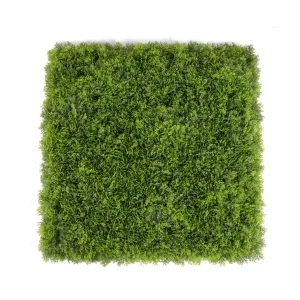
Our modular green wall panels feature multi-layered leaf density and textured surfaces that trap, reflect, and scatter high-frequency sound waves. This reduces reverberation times in concrete-heavy modern apartments and office lobbies.
When deployed as exterior facade panels or interior double-skin structures, the PE panel matrix creates micro-air layers that insulate structural concrete, reducing reliance on HVAC systems in varying seasons.
Unlike organic vertical gardens that demand permanent maintenance, fertilization, and regular replacement of dead species, our UV-stable PE installations require only basic cleaning, lowering lifetime cost by 85%.
Our manufacturing processes prioritize longevity, toxicity avoidance, and architectural integration. We utilize UV-stabilized High-Density Polyethylene (HDPE) infused with state-of-the-art Hindered Amine Light Stabilizers (HALS). This creates high-fidelity botanical leaves that resist photochemical oxidation and structural warping when exposed to direct solar radiation through windows.
Each plant stem is chemically modified with non-halogenated organophosphorus compounds, achieving compliance with Class B1 and B2 fire performance ratings under international building standards. This enables safe installation inside corporate office towers, luxury retail outlets, and residential living room accent walls.
Different spaces require specialized engineering and botanical composition. An accent wall in a corporate lobby demands a different visual density compared to a residential living room or a hospitality wellness zone. Below is a breakdown of our tailored architectural systems:
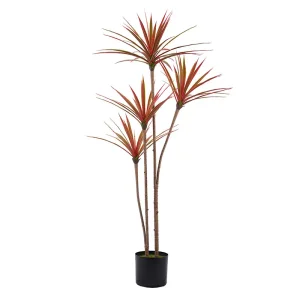
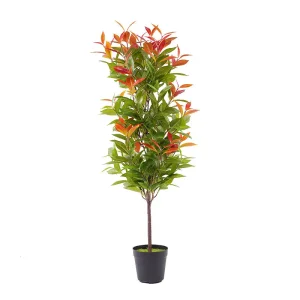
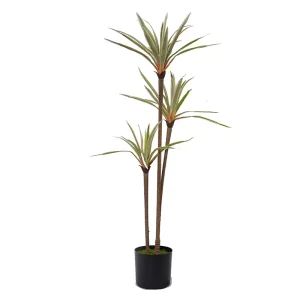
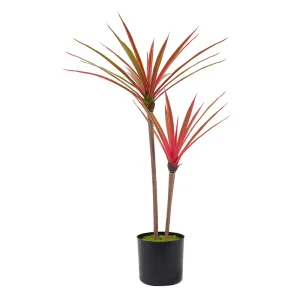
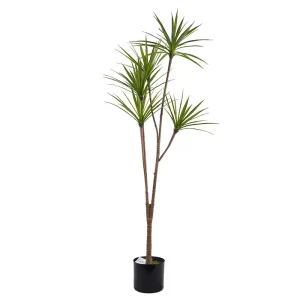
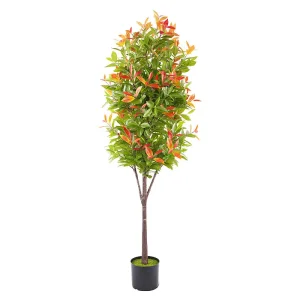
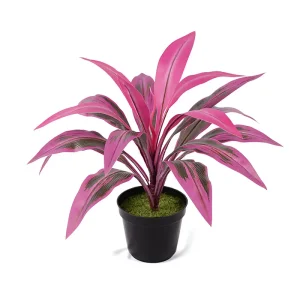
Integrating biophilic accent walls in urban penthouses and family living rooms. Using red-green Dracaena, Photinia planter accents, and high-density PE boxwood panels to break the monotony of concrete, establishing a micro-climate feel and calming visual focus.
Green walls deployed behind reception desks and in communal breakout zones. These systems dampen ambient noise, lower employee stress levels, and visual fatigue while highlighting corporate environmental awareness.
Hotels, spas, and gyms require moisture-resistant, hygienic, and highly atmospheric spaces. Our synthetic foliage systems maintain color intensity without harboring bacteria or requiring high-energy grow lights.
As a leading China living room accent wall supplier, Heshan Senmao is driving material science and spatial engineering into a circular, digital economy. Our research and development focuses on three primary pillars of technological evolution:
Transitioning from traditional virgin petroleum bases to GRS-compliant recycled marine plastics and biodegradable PLA-blend polymers. The goal is to produce accent wall panels that are fully recyclable at the end of their 10-year lifespan.
Developing titanium dioxide (TiO2) coatings that actively degrade indoor VOCs, formaldehyde, and airborne pathogens under normal indoor lighting, turning the artificial accent wall into a passive air purifier.
Engineered backing frameworks with integrated LED strip matrices, sound dampening foam, and acoustic sensors that dynamically interact with modern smart-home platforms to control ambient lighting and soundscapes.
Answers to frequently asked questions from architects, interior designers, commercial sourcing managers, and homeowners regarding the structural implementation and material safety of synthetic green accent walls.
Our wall panels feature a grid backing structure that allows for direct mechanical fixation. For drywall or concrete, they can be screwed directly through the grid onto wood studs or wall plugs. For commercial spaces, they can be mounted onto a secondary aluminum matrix or suspended on Z-clips, allowing for simple detachment during maintenance or relocation.
No. All plants produced by Heshan Senmao undergo rigorous chemical analysis. Our formulations are free from heavy metals, lead, and volatile phthalates. They meet REACH, GRS, and RoHS regulations, ensuring they do not off-gas in closed living rooms or climate-controlled workspaces.
For indoor applications exposed to window light, our UV-resistant PE line carries a warranty of 5-8 years against fading or brittleness. In outdoor settings, the HALS formulation protects the colors and polymer bonds for 3-5 years, depending on localized UV index levels.
Yes. We offer fully customized OEM/ODM design solutions. Clients can choose the leaf composition, botanical species (such as Dracaena, Photinia, or Ferns), densities, and panel geometries. Custom logos, flocking sculptures, and specific color palettes can also be engineered to match corporate identity guidelines.
 Senmao garden