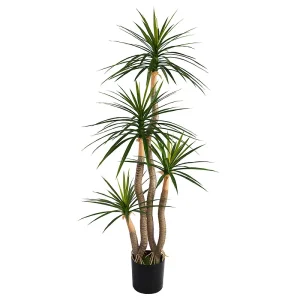
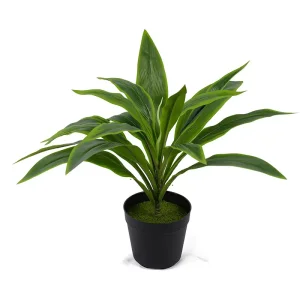
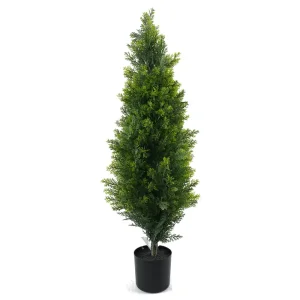
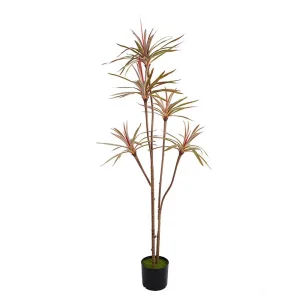
In the contemporary corporate landscape, architectural and interior designs are undergoing a paradigm shift towards biophilic integration. The concept of introducing natural elements into workspaces is no longer merely aesthetic; it is a critical strategy for enhancing employee cognitive function, reducing stress-induced absenteeism, and structuring healthy commercial interiors. However, live botanicals present massive systemic challenges, including ongoing maintenance costs, indoor pest issues, specific solar/UV requirements, and issues related to humidity control and soil-based allergens. This has driven the unprecedented rise of high-fidelity, industrial-grade synthetic plants. Specifically, China plastic office plants represent a standard of durability and ecological compatibility engineered for high-density, multi-tenant corporate workspaces.
For B2B buyers—ranging from corporate procurement directors and interior architects to retail importers and commercial landscape designers—navigating the global supply chain requires a deep understanding of manufacturing processes, material safety, environmental compliance, and regional industrial advantages. Choosing the right supplier is the difference between acquiring high-fidelity, flame-retardant installations and purchasing inferior products that release harmful volatile organic compounds (VOCs) and fade under standard interior lighting. This whitepaper analyzes the systemic capabilities of Chinese manufacturing, explores technical innovations in synthetic foliage, and details how Heshan Senmao Craft Co., Ltd. leads the sector with certified compliance and customizable architectural plant solutions.
"Semantic Web Search Insight: Modern commercial biophilic designs require materials that do more than look realistic. They must comply with fire safety codes, offer sustainable end-of-life options, and maintain structural integrity under high foot-traffic and artificial light cycles."
The global demand for synthetic office plants is driven by three main factors: macroeconomic pressure to optimize facility maintenance costs, strict building compliance certifications (such as LEED and WELL standards), and chemical advances in polymers like PE and PEVA. Modern corporations are auditing their interior landscaping expenditures and discovering that live plant lease programs can cost thousands of dollars annually per facility floor. In contrast, advanced plastic and silk replica plants require a one-time capital expenditure with an amortization period of under 18 months, followed by virtually zero maintenance costs.
Furthermore, indoor air quality standards and allergy concerns have pushed corporate offices, healthcare facilities, and hospitality venues to eliminate soil-borne bacteria, mold spores, and pest habitats. High-grade plastic office plants present a sterile, hypo-allergenic alternative that does not compromise on visual health indicators. Incorporating premium faux botanicals allows designers to meet the visual and psychological needs of biophilic design while avoiding the liabilities associated with live plant care.
Integrating flame-retardant chemicals directly into the polymer matrix ensures compliance with global building codes (e.g., EN 13501-1 and NFPA 701).
Utilizing advanced UV stabilizers (UV absorbers and HALS) to prevent photolytic degradation, fading, and brittleness in spaces with high exposure to sunlight.
Utilizing Global Recycled Standard (GRS) certified plastics to reduce carbon footprints and align with corporate ESG sourcing policies.
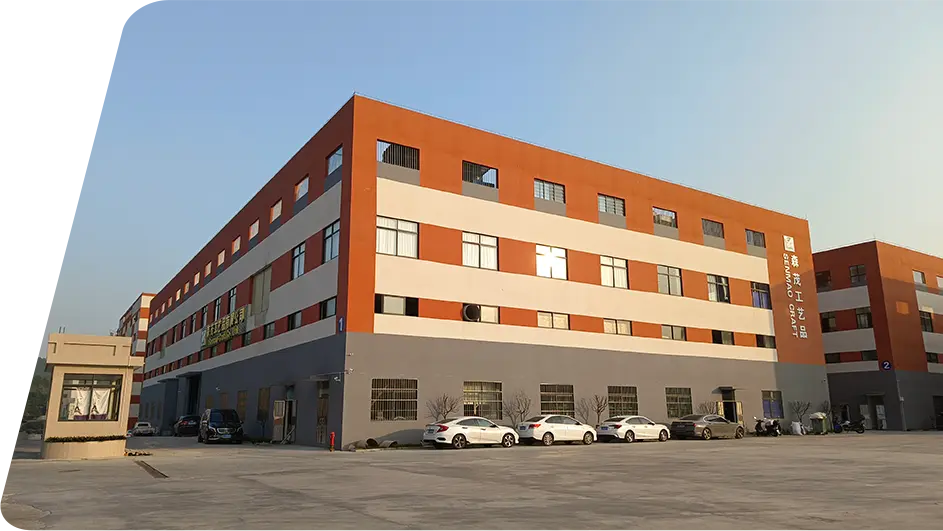
Heshan Senmao Craft Co., Ltd., situated in the vibrant city of Heshan, Guangdong, China, has firmly established itself as a leading player in the burgeoning artificial plants market. Boasting rich and profound experience within the horticultural realm, our company has mastered the art of manufacturing an extensive assortment of artificial plants.
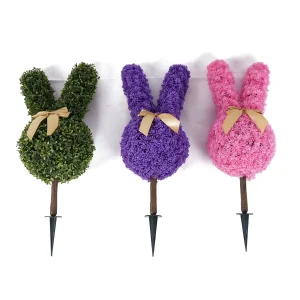
From the stately plant trees and meticulously crafted bonsai to the charming grass balls, practical grass boards, elegant obelisks, and vibrant flower baskets, our product range is as diverse as it is impressive. We utilize advanced production systems and quality control checks at every stage of the manufacturing cycle, ensuring our products consistently meet the expectations of discerning global markets.
Our strategically located facility in Guangdong benefits from the Pearl River Delta's robust industrial supply chain. This proximity allows us to source premium-grade polymers, custom metal wires, and specialized packaging materials efficiently, giving us a significant competitive advantage in terms of production lead times and cost-effectiveness.
Our commitment to quality and sustainability is unwavering. We hold prestigious certifications such as BSCI, ISO9001, Sedex, and GRS, which not only attest to our strict adherence to ethical business practices but also showcase our profound sense of environmental responsibility.
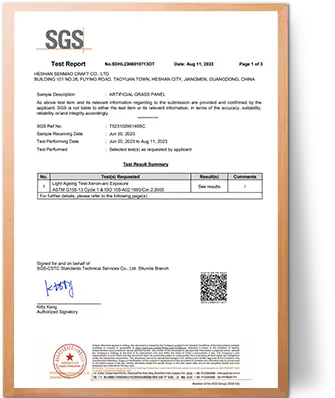
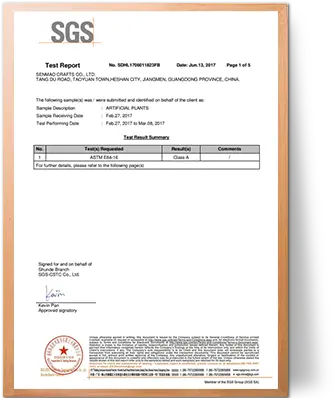
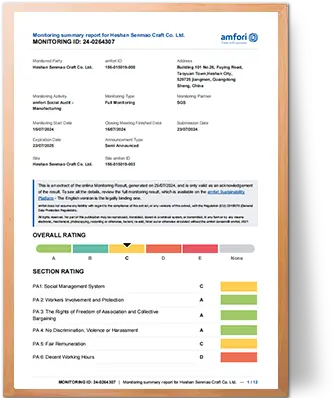
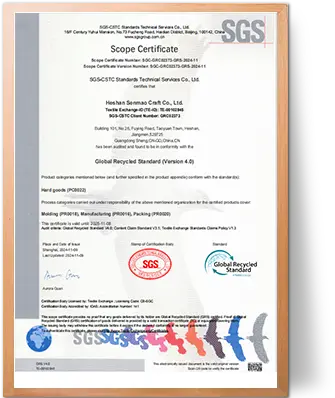
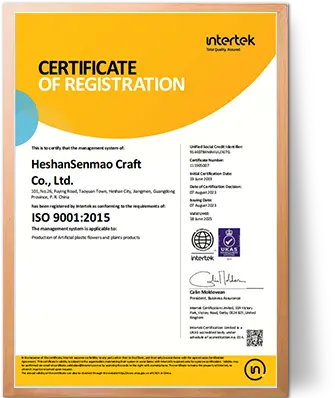
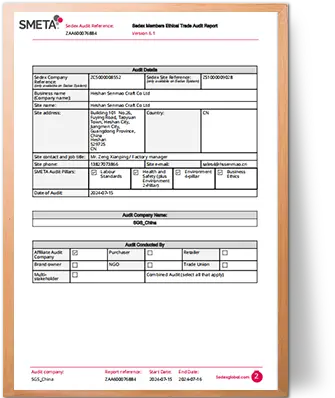
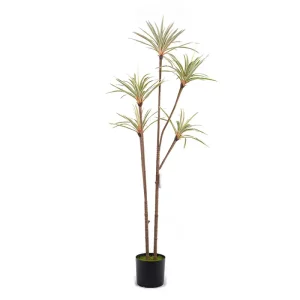
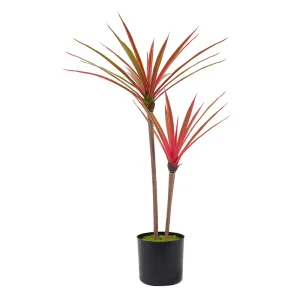
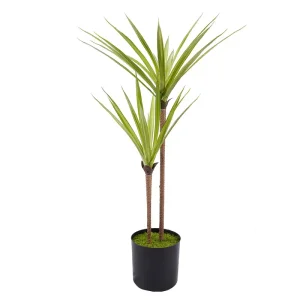
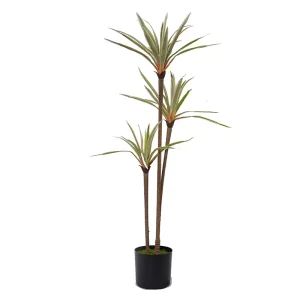
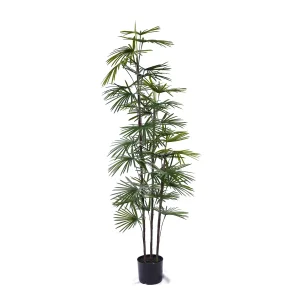
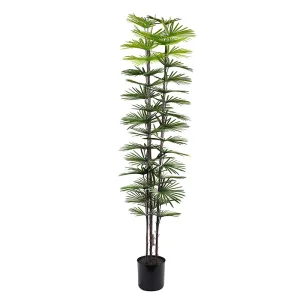
This means that when you choose our products, you are not only enhancing the aesthetic appeal of your space but also making a conscious choice for a greener and more sustainable future. Our product line features an array of customizable artificial plants, including the graceful cypress, the tropical banana, the unique turtle, the spiral-shaped beauty, the fan palm with its distinctive silhouette, the striking tiger plant, and the classic olive trees. Each product is meticulously designed, taking into careful consideration our customers' aesthetic preferences and functional requirements.
Whether it's for a cozy residential setting, adding a touch of nature to a bustling commercial space, or enhancing the ambiance of a public area, our artificial plants are the perfect choice. Moreover, our artificial plants are endowed with remarkable features. They are UV-resistant, ensuring their colors remain vivid and true even under the harshest sunlight. Their fire-resistant property provides an added layer of safety, making them suitable for various environments. Being environmentally friendly, they require no watering or fertilizing, saving both time and valuable resources.
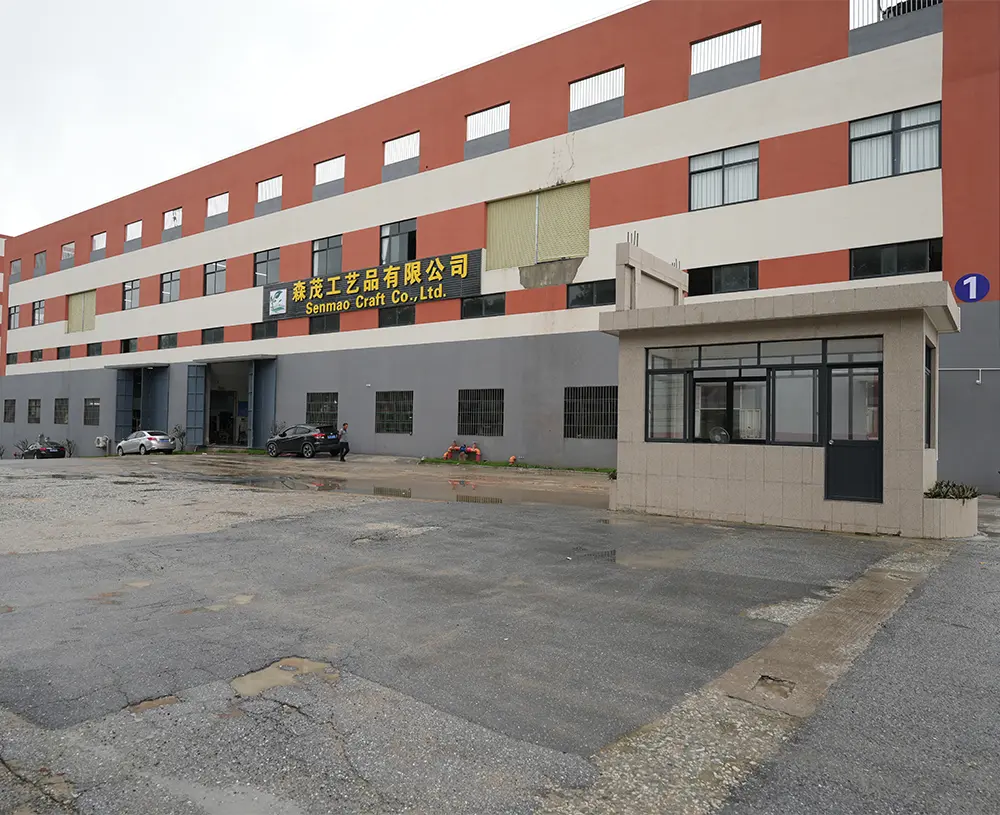
Purchasing directly from a Chinese artificial plant factory offers significant advantages in production scale and supply chain efficiency. Modern factories in China have transitioned from simple manual assembly lines to highly automated, integrated facilities. Production utilizes precise injection molding machines, automated leaf-stamping presses, and color-matching technology that replicates the variations in real plant foliage. This setup allows manufacturers to produce large volumes of high-quality products while maintaining competitive pricing.
Additionally, the concentration of raw material suppliers in southern China ensures consistent access to high-quality polymers, stabilizers, metal supports, and eco-friendly pigments. Because all components are sourced locally, supply chain delays are minimized. For global buyers, this means reliable lead times, lower per-unit costs, and the flexibility to customize products for specific projects. Whether you need custom branch configurations, specific leaf counts, or specialized planters, Chinese manufacturers have the scale and resources to deliver.
The realism and durability of modern artificial plants are directly linked to advances in polymer materials. Traditionally, artificial foliage relied on polyester fabrics, which were prone to fraying and fading. Today, factories primarily use Polyethylene (PE) and Polyethylene Vinyl Acetate (PEVA). PEVA is a non-chlorinated, biodegradable polymer that offers a realistic texture and flexibility, making it ideal for simulating delicate leaves and stems. PE, on the other hand, is highly durable and serves as the structural foundation for larger installations, outdoor hedges, and thicker branches.
By blending these materials with specialized additives, such as hindered amine light stabilizers (HALS) and flame-retardant compounds, manufacturers can produce foliage that meets both aesthetic and safety standards. This material formulation ensures that plants remain flexible and colorful even in demanding commercial environments, providing a long-term biophilic solution without the need for constant maintenance.
Faux botanicals are used across a wide variety of commercial sectors, each with its own specific design requirements and challenges:
The artificial plant industry is evolving with a strong focus on sustainability. Manufacturers are increasingly using bio-based and recycled plastics to reduce dependence on fossil fuels. High-quality products are now designed with end-of-life recycling in mind, ensuring that components can be easily separated and recycled. Additionally, new surface coatings, such as titanium dioxide nanoparticles, are being tested to allow artificial leaves to break down indoor pollutants under light, helping to improve indoor air quality while remaining easy to clean.
 Senmao garden