Explore our top-tier commercial-grade products. Precision-molded, UV-stabilized, and architecturally optimized.

A comprehensive analysis of sourcing methodologies, material science innovations, and manufacturing compliance within the modern faux botanical supply chain.
In the contemporary landscape of architectural and interior design, biophilic design has progressed from a wellness trend to a structural imperative. However, the operational reality of managing real foliage in commercial structures—ranging from continuous water demands and horticultural maintenance fees to pest vectors and strict sunlight requirements—often makes natural flora financially and logistically prohibitive. This operational gap has catalyzed the evolution of bionic artificial greenery, positioning high-fidelity artificial trees as a superior asset class for architects, facilities managers, and developers.
Historically, the market for faux foliage was dominated by cheap, structural polymers that degraded under ultraviolet rays, emitted volatile organic compounds (VOCs), and presented a high risk of ignition. Today, manufacturers leverage advanced material science to replicate the mechanical properties, optical refraction, and multi-tone variegation of living tissue. This document details how commercial buyers, corporate decorators, and international wholesalers can strategically source durable, code-compliant, and aesthetically flawless artificial trees from leading manufacturing centers, utilizing scientific benchmarks to evaluate product longevity and environmental sustainability.
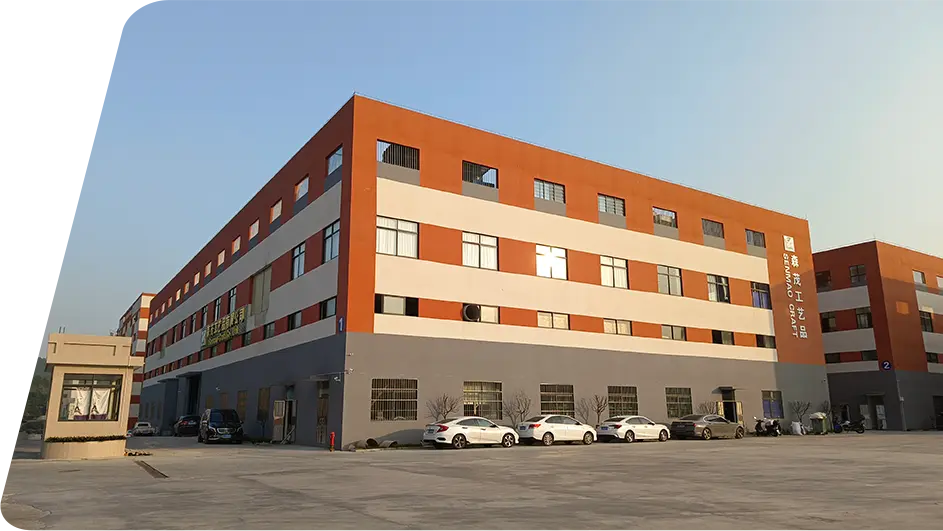
Heshan Senmao Craft Co., Ltd., situated in the industrial ecosystem of Heshan, Guangdong Province, China, represents the pinnacle of modern horticultural manufacturing. With decades of targeted research and development in the horticultural and bionic botanical sectors, the company has refined the manufacturing of specialized artificial greenery, offering bespoke solutions designed to endure complex indoor and outdoor climates.
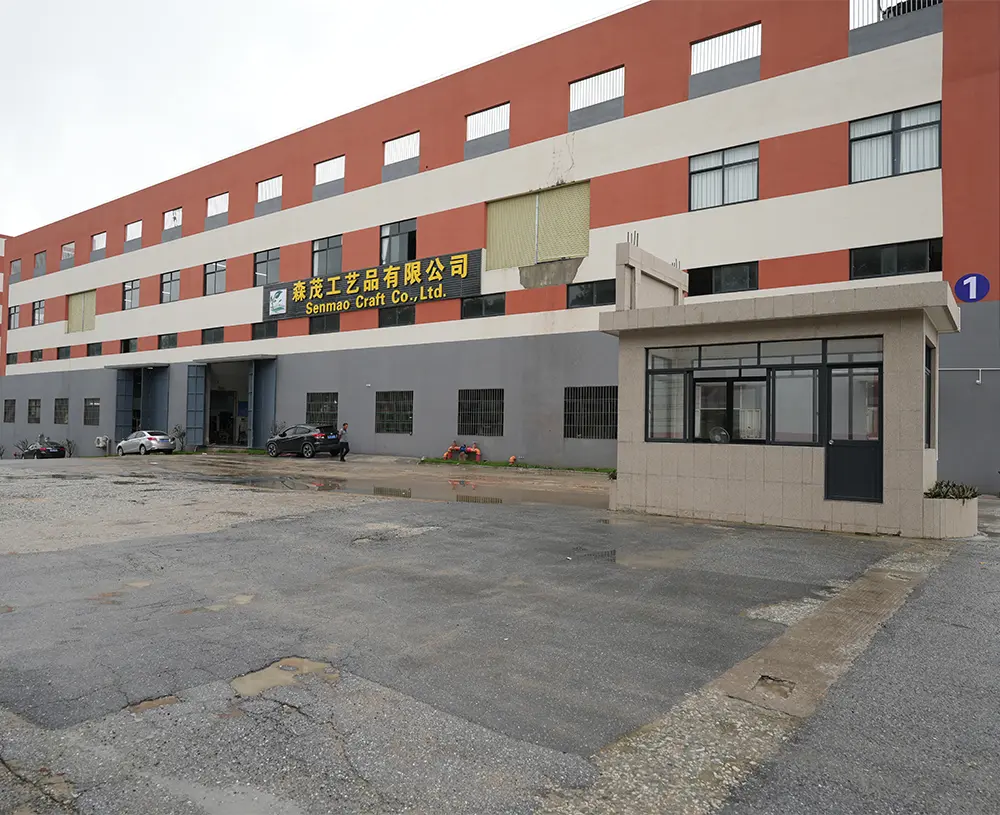
Our comprehensive production facility accommodates advanced machinery designed for precision synthetic leaf stamping, automated foliage coloring, and custom structural molding. Rather than producing generic, assembly-line items, Heshan Senmao combines traditional craftsmanship with automated polymer engineering to manufacture an extensive, high-quality assortment of artificial plants.
Our portfolio includes:
The global dominance of Guangdong-based manufacturers in the bionic botanical sector is not merely a matter of scale; it is an outcome of specialized industrial clustering. In Heshan, the manufacturing ecosystem integrates every tier of the raw material and supply chain workflow. From local polymer synthesis plants and tooling master-craftsmen to industrial dye factories and specialized logistics nodes, the supply chain is highly streamlined.
For international buyers, this cluster effect yields significant cost, quality, and customization advantages. Standard manufacturers in secondary markets face long lead times when custom molds are required. In contrast, Heshan Senmao can execute rapid prototyping, transforming digital CAD designs into physical, high-fidelity samples within a fraction of the standard industry timeframe. The integration of localized shipping infrastructures reduces inland logistics friction, ensuring container consolidation and shipping efficiency remain optimal, even during peak global freight cycles.
Modern commercial procurement demands transparency. Global enterprises cannot risk importing polymers containing restricted chemicals, heavy metals, or plastics derived from ethically questionable supply lines. Heshan Senmao operates with a zero-compromise approach toward quality assurance and corporate social responsibility.
We actively comply with the industry's most rigorous international audits and certifications, assuring B2B clients that our supply chain is ethically verified and safe for high-traffic public installations:
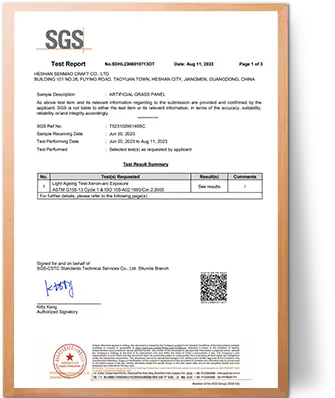
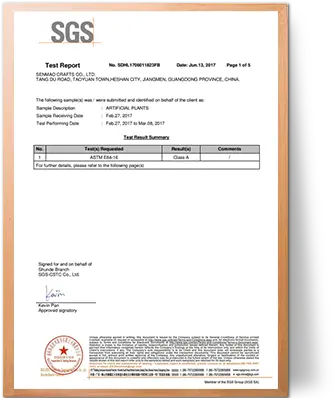
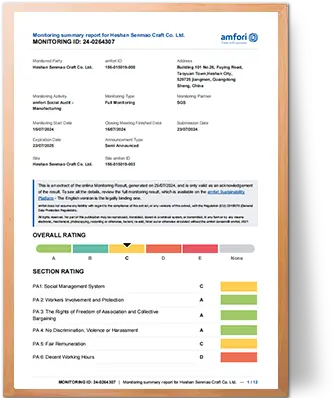

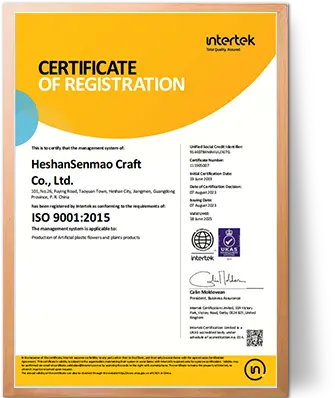
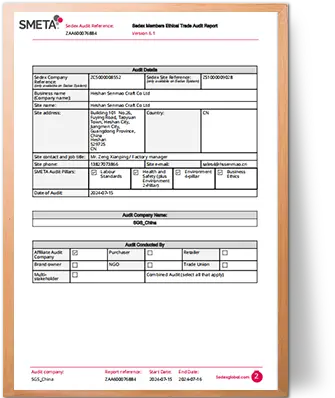
Our operational framework includes the following core pillars of certification compliance:
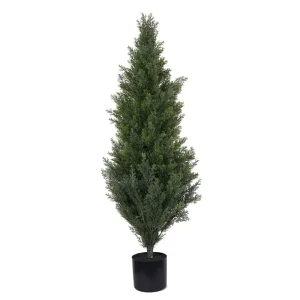
The technical superiority of Senmao's custom artificial plants lies in our formulation of base polymers. Our product line features customizable species, including the graceful cypress, the tropical banana, the unique monstera (turtle plant), spiral-shaped topiary designs, the distinctive fan palm, the bold tiger plant, and classic olive trees. Each plant is engineered using specialized materials to fulfill specific architectural and environmental roles:
The applications for artificial trees span residential, commercial, and urban landscaping environments. Global enterprise buyers typically utilize specific product categories for distinct architectural applications:
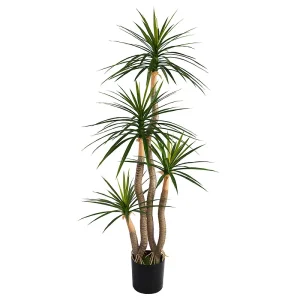
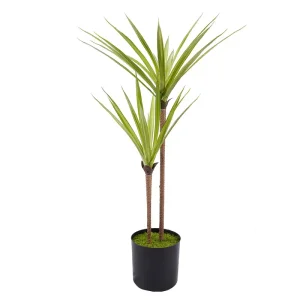
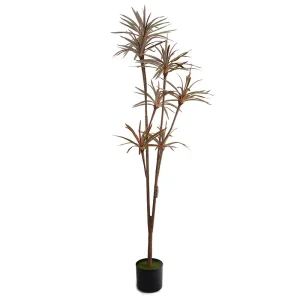
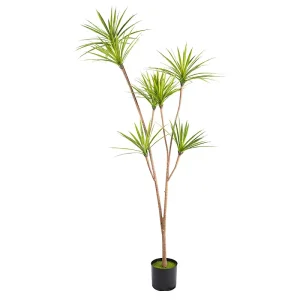
Modern architectural layouts often feature atrium areas, collaborative lounges, and meeting zones that lack sufficient natural light for living plants. Utilizing high-fidelity potted artificial trees, such as our 185cm Dracaena Marginata with PEVA leaf structures, allows design teams to introduce biophilic accents without the risk of soil-borne pests or water damage near sensitive electrical equipment.
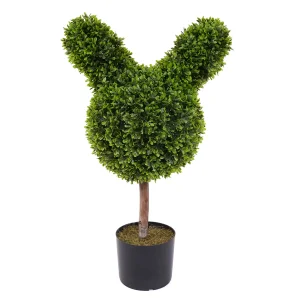
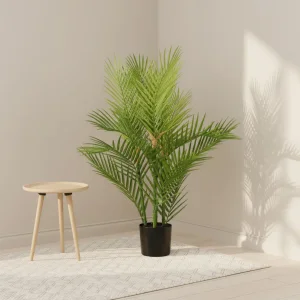
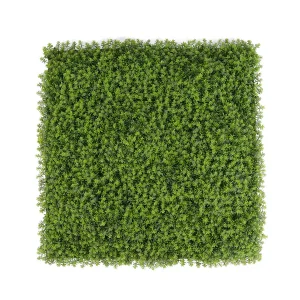
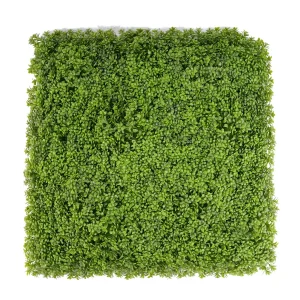
Hotels and dining venues require high-impact visual design. Customized artificial plants, such as bionic Areca Palms or tailored topiary sculptures, create immersive, tropical micro-environments. Our flame-retardant artificial hedges provide natural-looking screening and zone partition walls, which are highly effective for outdoor patios and rooftop bars.
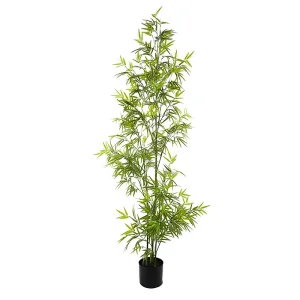
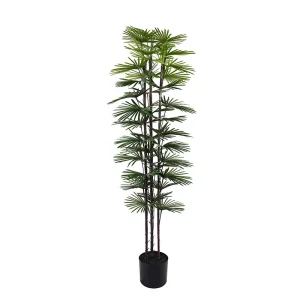
Real estate staging companies and property developers require durable decor. Potted artificial plants, such as our 150cm Fan Palm or structural Bamboo trees, offer long-term styling solutions for model apartments, showrooms, and residential balconies, maintaining a fresh look throughout extended sales cycles.
The bionic botanical industry is advancing toward circular economy models and high-performance synthetic materials. Future iterations will focus on maximizing post-consumer recycled content, utilizing bio-based polyols to reduce reliance on fossil fuels, and developing matte finishes that mimic the natural light reflectivity of plant cuticles.
Additionally, the integration of air-purifying photocatalytic coatings onto artificial leaves is emerging as an innovative trend. This allows synthetic plants to actively break down airborne VOCs and odors when exposed to light, transforming them into functional components of indoor air quality management systems.
Our synthetic foliage undergoes continuous environmental chambers and mechanical testing. From wind-tunnel stability tests for outdoor installations to spectrophotometer testing for long-term color retention, we prioritize product durability and safety.
Find answers to key technical questions concerning material specifications, logistics, and compliance.
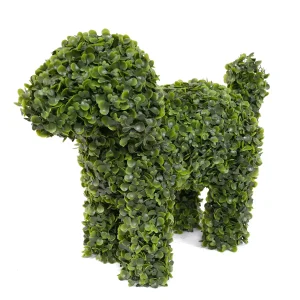
Discover our comprehensive collection of lifelike plants, privacy screens, and customized topiary shapes.


 Senmao garden