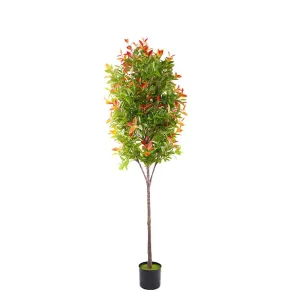
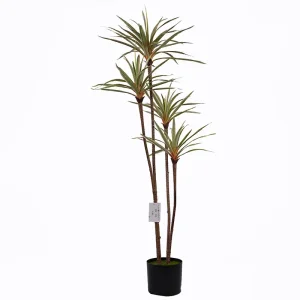
Premium Architectural Greenery, UV-Stable Artificial Grass, and Realistic Potted Foliage from Our Manufacturing Facility
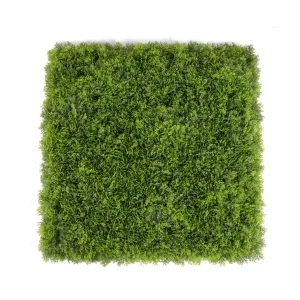

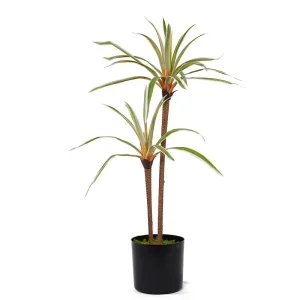
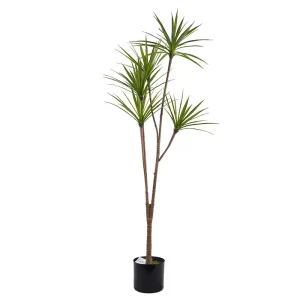
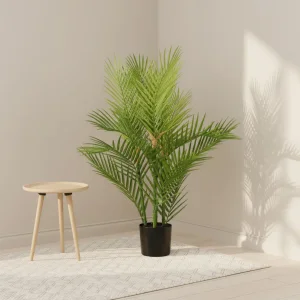
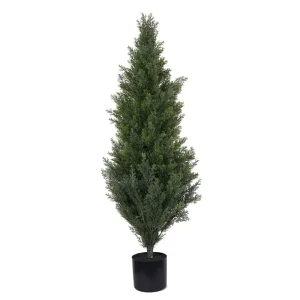
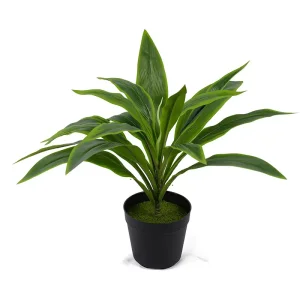
In contemporary commercial architecture, biophilic design has transitioned from an aesthetic luxury to a core requirement. Designers, developers, and corporate procurement directors are continually seeking sustainable, cost-effective methods to integrate lush, large-scale plant structures into built environments. The term "Wholesale Big Plastic Plants Factories & Factory" encapsulates the massive, technology-driven manufacturing ecosystem dedicated to developing premium, architectural-grade artificial foliage.
Historically, artificial plants were viewed as cheap, low-fidelity plastic copies prone to rapid degradation and fading. Today's commercial-grade alternatives represent a convergence of polymer chemistry and botanical design. Advanced factories utilize highly durable plastics like Low-Density Polyethylene (LDPE), enhanced with specialized chemical compounds. These compounds include multi-stage UV inhibitors and proprietary fire-retardant masterbatches, producing synthetic plants capable of surviving harsh architectural environments. This meets the aesthetic demands of modern real estate while lowering the total cost of ownership.
Large-scale artificial plants—ranging from majestic artificial palm trees and towering dracaenas to expansive modular green walls—allow architects to introduce green elements where living plants cannot survive. Such environments include deep building interiors, high-humidity atriums, extreme UV exposure zones, and areas with strict environmental controls. Working directly with specialized Chinese factories allows enterprise buyers to access customizable designs, scalable supply chains, and regulatory certifications required for worldwide distribution.
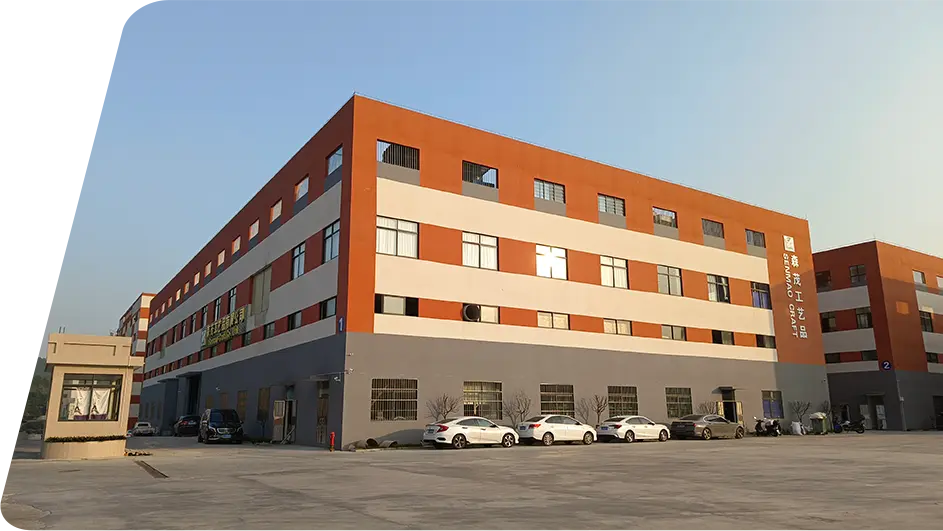
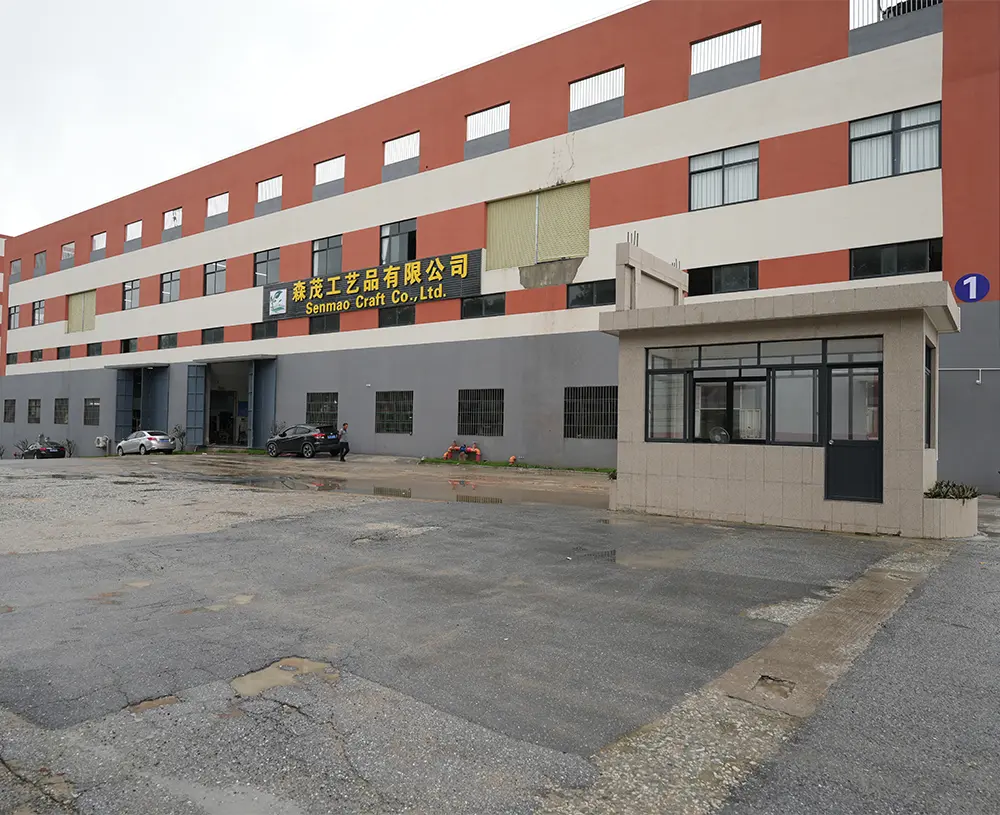
Established as a market leader in China's artificial horticulture sector, Heshan Senmao Craft Co., Ltd. is based in the city of Heshan, Guangdong, China. The region serves as a major hub for global polymer manufacturing and technical textiles. We specialize in producing custom artificial greenery that combines traditional craftsmanship with automated polymer injection systems.
Our diverse portfolio includes majestic artificial trees, meticulously crafted bonsais, grass balls, easy-to-install grass boards, obelisks, and flower baskets. We serve large-scale international commercial projects, residential developers, and high-volume retail buyers. Our location in Guangdong allows us to manage shipping logistics efficiently through major deep-water ports like Shenzhen and Guangzhou.
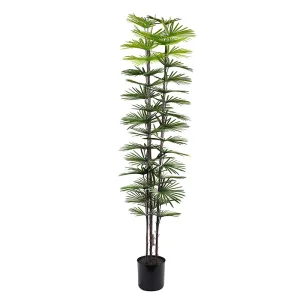
At Senmao, we treat artificial plant production as a branch of technical materials engineering. Our design team creates highly customizable products, including realistic cypress, banana, turtle plants, spiral topiaries, fan palms, tiger plants, and olive trees. Each piece is engineered to meet specific architectural requirements, ensuring high performance, realistic textures, and long-term durability.
E-E-A-T Framework: Meeting Strict Environmental, Social, and Safety Audits for Enterprise Procurement
For global enterprise buyers, purchasing from a factory involves verifying regulatory compliance, environmental footprint, and ethical labor standards. Heshan Senmao Craft Co., Ltd. operates with a fully audited supply chain, backed by certifications required for entry into highly regulated markets like the EU, North America, and East Asia.
Our operations hold major global audits, demonstrating our commitment to quality, environmental responsibility, and social compliance:
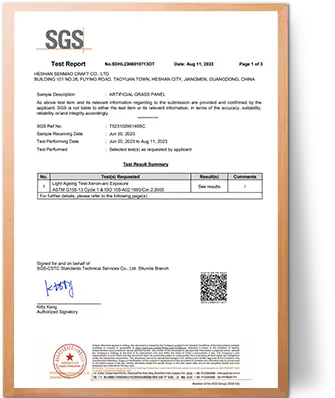
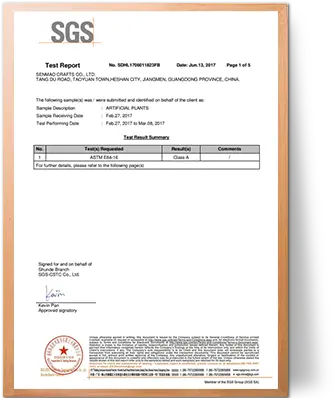
These credentials verify our commitment to social fairness and systematic quality control:
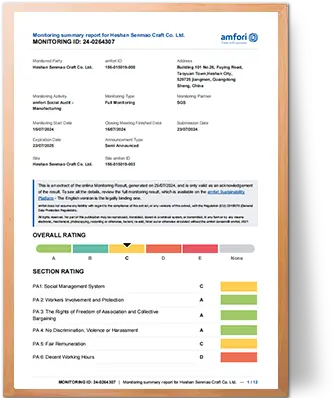

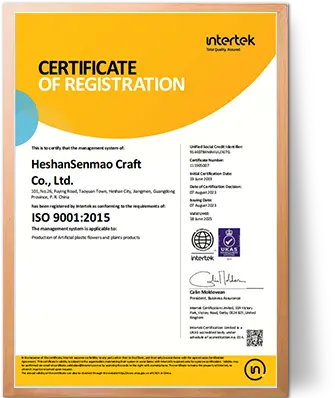
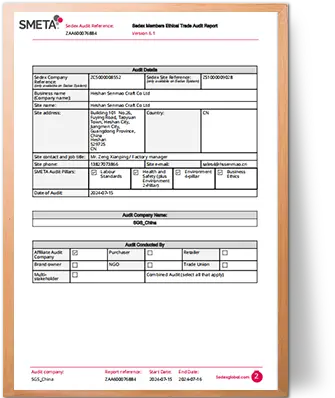
When importing high-volume plastic goods, local customs and environmental protection agencies look closely at chemical composition and recycled claims. Working with a GRS and Sedex certified factory reduces compliance risks, protects your brand reputation, and simplifies importation audits.
Engineered to Stand the Elements: High-Tech Polymers Built for Commercial Endurance
Rather than using post-production UV sprays, we mix UV blockers directly into the polymer liquid before molding. This prevents the material from cracking, fading, or degrading under intense outdoor sunlight.
Our materials are tested to comply with local fire safety codes, including BS 5852 or EN 13501-1. We offer FR-grade foliage built to limit flame spread, smoke production, and toxic gas emission in indoor commercial spaces.
By incorporating up to 70% post-consumer recycled PE polymers without sacrificing mechanical strength, we help brands reduce their environmental impact and align with global green building frameworks.
| Performance Metric | Standard Retail Grade | Senmao Commercial Factory-Grade | Testing Standards & Methods |
|---|---|---|---|
| UV Degradation Period | 6 to 12 months under direct sunlight | 3 to 5 years minimum (UV-protected) | ASTM G154 (Accelerated Xenon Arc Weathering) |
| Fire Retardancy (FR) | Non-FR, highly flammable | Optional Class B1-s1, d0 (Self-extinguishing) | EN 13501-1 / UL 94 V-0 Compliance |
| Polymer Resilience | Recycled mixed scraps, highly brittle | 100% pure LDPE base with GRS certification | ISO 527 (Tensile Strength & Elongation) |
| Wind Load Capacity | Prone to leaf shearing in mild wind | Reinforced steel core, high shear resistance | Wind tunnel testing (Up to Beaufort 10) |
| Chemical Off-gassing | Fails VOC limits, strong chemical smell | Zero VOC, heavy-metal free (Lead & Cadmium) | REACH Regulation & RoHS Compliance |
Leveraging Guangdong's Advanced Sourcing, Custom Tooling, and Global Freight Infrastructure
Sourcing from a specialized factory in Heshan, Guangdong, offers significant advantages. South China is a global leader in polymer compounding, mold development, and high-efficiency manufacturing. The region's industrial ecosystem provides key benefits for international buyers:
Additionally, our factory uses advanced automated machinery. Multi-cavity injection molding machines and automated assembly lines allow us to maintain consistent product quality while reducing production times.
We implement quality checks at every stage of production. Each batch of raw materials is tested for viscosity, moisture content, and chemical purity. Random products undergo tensile testing and UV chamber aging to ensure final performance before leaving the factory.
How Modern Architecture Integrates Big Plastic Plants to Drive Biophilic Design Benefits
Large offices use faux trees and modular green wall panels to improve worker focus and reduce ambient noise. Synthetics bypass soil maintenance, watering systems, and structural load concerns of living plants.
Hotels, restaurants, and lounges use high-fidelity palm trees and potted foliage to create welcoming atmospheres. These fire-retardant installations comply with local safety regulations.
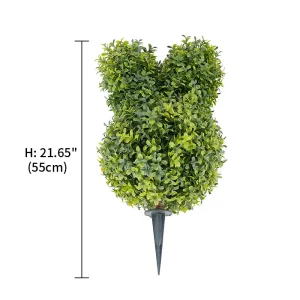
In areas with low rainfall or extreme temperatures, UV-resistant boxwood screens and synthetic grass sculptures provide year-round green aesthetics without water consumption.
Technological Shifts Driving the Next Generation of Synthetic Greenery
As environmental awareness and material technologies advance, the artificial plant industry is evolving rapidly. High-volume factories are shifting from general-purpose plastics to specialized, bio-based polymers. These new materials are derived from renewable agricultural by-products, reducing the product's carbon footprint.
In addition to sustainability, manufacturing is adopting advanced color-matching technologies. Modern spectrophotometer analyses allow factories to replicate the exact color shades, venation patterns, and surface gloss of living leaves. 3D printing is also being integrated into mold-making, enabling high-fidelity reproduction of natural barks and leaf textures.
We are also seeing increased demand for multi-functional foliage. Future developments include anti-static surfaces to repel dust, keeping indoor installations cleaner for longer, and air-purifying coatings that decompose organic pollutants when exposed to light.
Addressing Common Technical, Regulatory, and Logistics Inquiries for Global B2B Sourcing
Premium Synthetic Greenery, Sculptures, and Architectural Plants for Worldwide Distribution


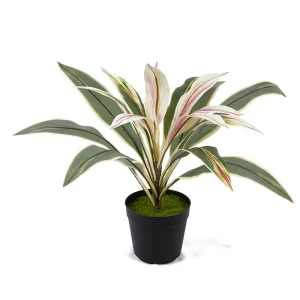


 Senmao garden