Modern architectural design is undergoing a profound transformation. As urbanization accelerates, the separation between human habitats and natural ecology has widened, leading to the rapid adoption of biophilic design. Within commercial interiors, specifically food and beverage (F&B) outlets, hotels, and retail environments, integrating organic green elements is no longer purely a cosmetic preference. It has evolved into a strategic financial investment. The phrase "Cafe indoor green backdrop" represents a vital junction of consumer psychology and physical space optimization.
Scientific studies on customer dwell-time indicate that retail environments incorporating greenery experience a measurable boost in customer satisfaction, brand recall, and average transactional value. A thoughtfully constructed faux grass wall panel serves as a dense, visually rich backdrop that softens the stark lines of modern steel and concrete, transforming a functional eating space into a relaxing urban oasis. Global hospitality chains and local specialty cafes are adopting faux greenery solutions to construct "Instagram-ready" statement walls. These environments encourage organic social media promotion, shifting marketing expenses directly to consumer-driven user-generated content (UGC).
Inferior synthetic foliage degrades quickly under high-lux artificial or natural solar light. Our premium panels are infused with advanced Hindered Amine Light Stabilizers (HALS) directly within the polymer matrix. This molecular-level integration ensures the green backdrop retains its vibrant hues and structural integrity, avoiding fading or embrittlement over years of intensive indoor and outdoor exposure.
For commercial installations, compliance with regional fire safety regulations is critical. Our manufacturing process mixes specialized halogen-free flame retardants during the extrusion of Polyethylene (PE) raw materials. The resulting products meet strict standards such as EN 13501-1 (Class B-s1, d0) and ASTM E84, ensuring the panels self-extinguish when exposed to open flame.
Since these backdrops are designed for enclosed public eating areas, we ensure our faux grass panels emit zero volatile organic compounds (VOCs). The PE materials are free from heavy metals, phthalates, and formaldehyde, guaranteeing that the green backdrop improves visual biophilia without compromising indoor air quality.
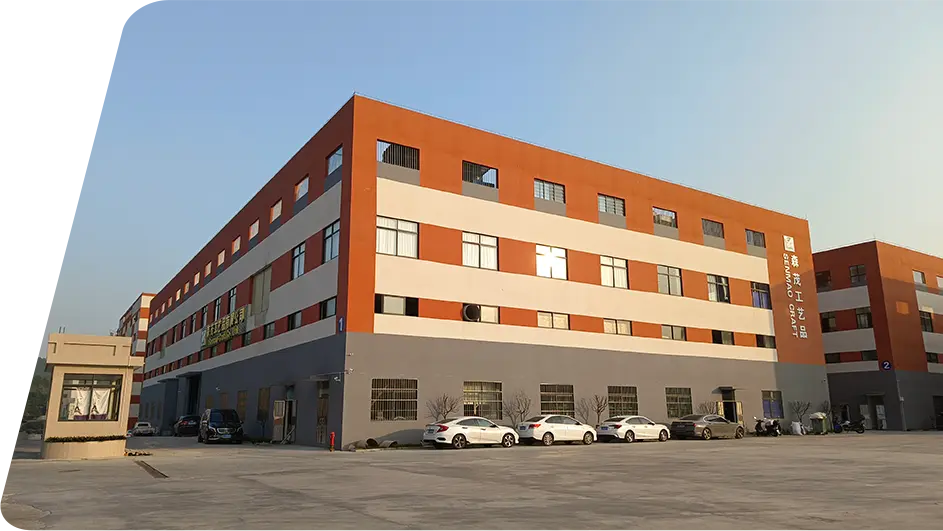
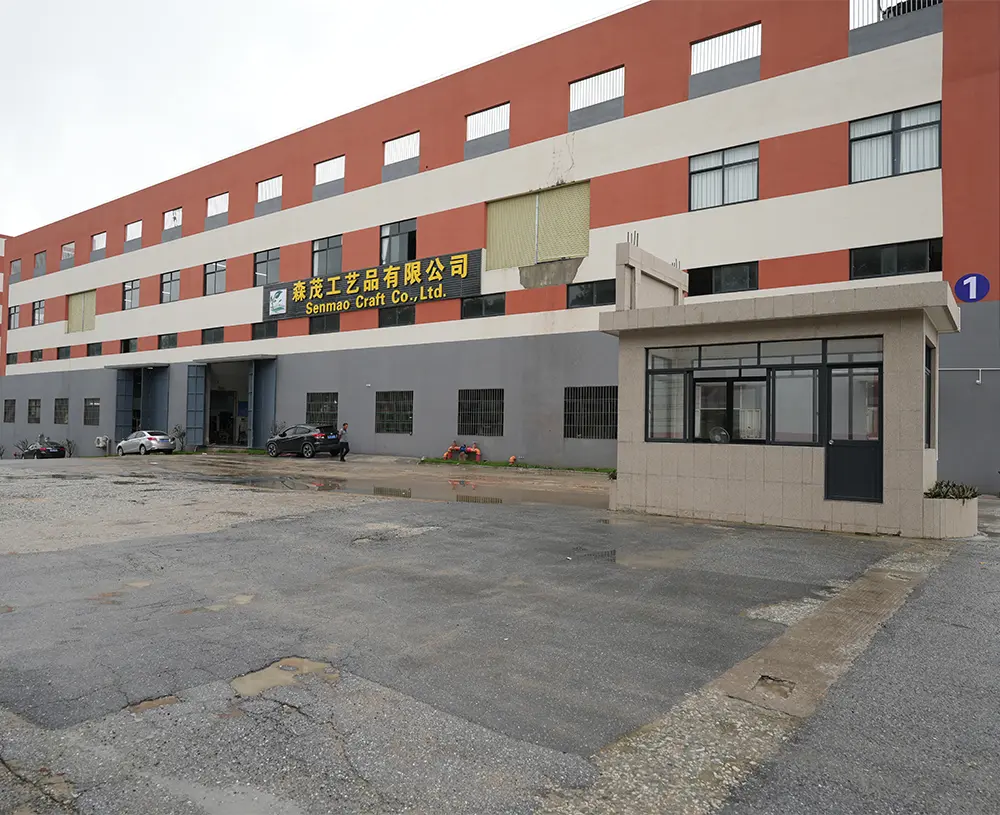
Equipped with a state-of-the-art production facility, our factory integrates advanced design methodologies with robust quality control. We address the needs of architects, commercial designers, and global wholesale suppliers who seek highly realistic, durable botanical reproductions. Through research and development in polymeric compounds, we deliver synthetic green walls and artificial plant structures that replicate the visual and tactile feel of live foliage while eliminating the continuous irrigation and maintenance costs of real plants.
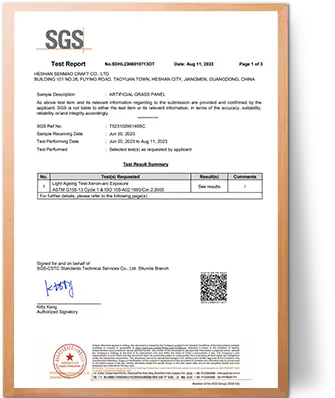
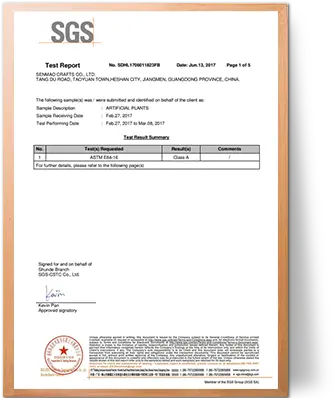
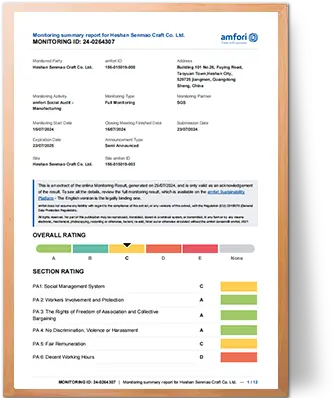


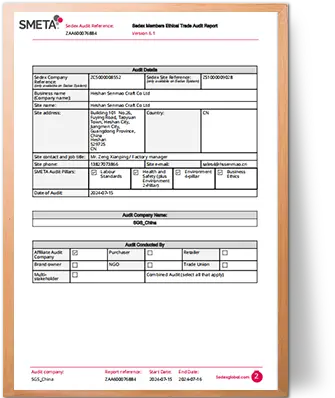
For B2B importers, distributors, and construction firms, partnering with a certified manufacturer is crucial. These credentials ensure that our manufacturing sites undergo regular third-party audits to guarantee fair wages, safe working conditions, and ecological production management. By implementing the Global Recycled Standard (GRS), we incorporate post-consumer and post-industrial recycled polymers into our faux greenery products. This supports global circular economy efforts without compromising the mechanical performance or lifespan of our products.
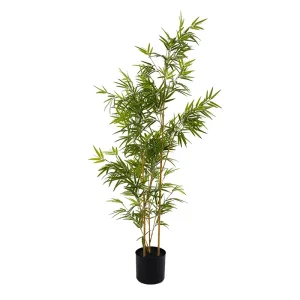
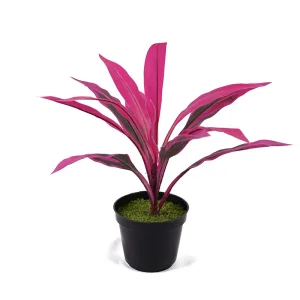
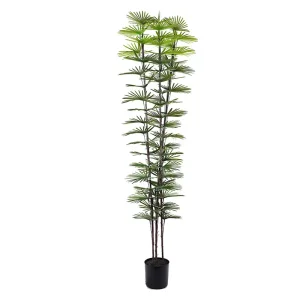
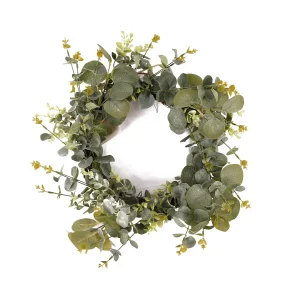
By using a modular click-lock grid backing, our faux grass panels can serve as structural canvases. Clients can request customized integrations of dense boxwood foliage, eucalyptus accents, and tropical features like fan palm fronds and tiger plants. This flexible production approach allows designers to construct multidimensional green walls with realistic depth, texture, and shadows, replicating the complexity of natural ecosystems.
In high-density urban areas, cafes leverage green backdrops to create a calming, natural atmosphere that counteracts the busy surrounding city. A green wall positioned behind the espresso bar or within seating alcoves softens architectural acoustic reverberation while providing a photogenic element that boosts social media visibility and attracts local patrons.
Modern workplaces incorporate synthetic vertical gardens in conference rooms, reception lobbies, and collaborative zones. Faux green walls introduce biophilic benefits that help lower workplace stress and improve employee focus, all without the maintenance challenges, humidity concerns, and insect risks of live indoor plants.
Hotels and large dining halls utilize customized faux grass panels to define distinct spatial zones and frame food display stations. Our fire-retardant panels deliver a hygienic, dust-resistant backdrop that complies with local municipal commercial health codes, ensuring a safe and clean environment for guests.
As polymer sciences and eco-conscious engineering evolve, Heshan Senmao is charting a technical roadmap designed to define the next generation of synthetic biophilic materials:
 Senmao garden