In contemporary commercial design, flat and uniform surfaces are rapidly losing ground to dimensionally complex, structured layers. The search intent behind a wholesale concave convex surface decor supplier reveals a structural movement: architects, interior designers, and corporate procurement departments no longer view walls as simple boundaries. Instead, surfaces are functional zones that determine acoustic properties, manage light dispersion, and influence occupant well-being.
Concave-convex structures naturally break flat surfaces, providing depth variations that interact dynamically with ambient lighting. When integrated with biophilic design elements—such as dense synthetic boxwoods, structural fan palms, or custom botanical panels—these textured backdrops create rich visual hierarchies. By utilizing varied leaf elevations, thicknesses, and depths, modern bionic wall systems mimic natural landscapes, creating high-information-gain spaces that attract organic traffic and elevate physical retail or hospitality environments.
From a structural perspective, these dimensional variations alter the physical profile of interior walls. A surface with alternating high and low points breaks sound waves more effectively than a flat wall, acting as a natural diffuser. For wholesale buyers, understanding these physics-based advantages is key to unlocking project approvals in premium workspaces, commercial lounges, and hospitality settings.
Structured concave and convex profiles scatter sound waves across multiple angles. By reducing echo and reverberation times in high-ceiling lobbies or public areas, these assemblies improve the Noise Reduction Coefficient (NRC) without relying on traditional foam absorbers.
Alternating depths create natural shadow maps (chiaroscuro effects) under direct and indirect lighting. This minimizes glare in heavily glazed corporate buildings, reducing eye fatigue and shifting commercial spaces toward organic visual comforts.
According to the biophilia hypothesis, humans possess an innate affinity for nature's fractal patterns. Alternating surface textures reduce physiological stress and lower cortisol levels, creating spaces that feel more comfortable and welcoming.
Different regions present unique challenges for implementing textured and biophilic surface decors. Navigating these requirements demands a localized understanding of climate, building codes, and safety standards:
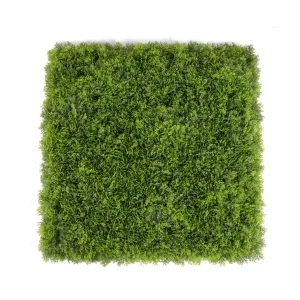
In major metro areas like New York, San Francisco, and Toronto, real estate developers prioritize building wellness certifications (such as WELL and LEED). Large-scale concave-convex artificial green walls, such as those built with high-density PE UV-protected panels, are increasingly deployed in shared workspaces and executive boardrooms. Key requirements here include class-A flame-retardant performance and zero volatile organic compound (VOC) emissions to ensure compliance with strict indoor air quality mandates.
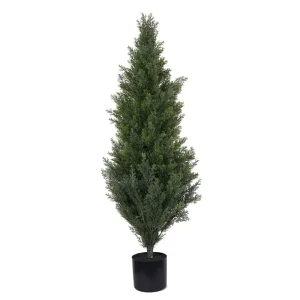
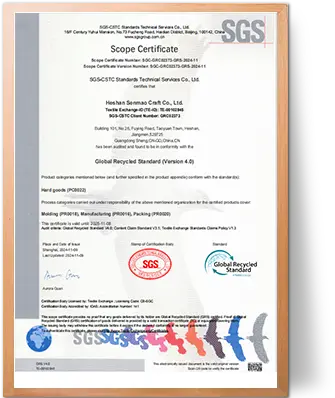
In Europe, particularly in Germany, France, and the Nordics, procurement practices emphasize circular economy principles and verified materials. Products backed by Global Recycled Standard (GRS) certifications are highly valued. Our GRS-certified artificial hedge structures and topiary plants satisfy these European demands by using recycled post-consumer plastics, helping companies meet strict corporate sustainability reporting directive (CSRD) obligations.
For developers in Riyadh, Dubai, Singapore, and Sydney, the primary challenge is intense UV exposure and extreme temperatures. Outdoor installations require specialized UV-resistant formulations that prevent polymers from yellowing, cracking, or losing structural strength. By integrating stabilizers during extrusion, our exterior-grade green panels maintain their performance and color under high solar radiation.
Heshan Senmao Craft Co., Ltd., situated in the vibrant city of Heshan, Guangdong, China, has firmly established itself as a leading player in the burgeoning artificial plants market. Boasting rich and profound experience within the horticultural realm, our company has mastered the art of manufacturing an extensive assortment of artificial plants. From the stately plant trees and meticulously crafted bonsai to the charming grass balls, practical grass boards, elegant obelisks, and vibrant flower baskets, our product range is as diverse as it is impressive.
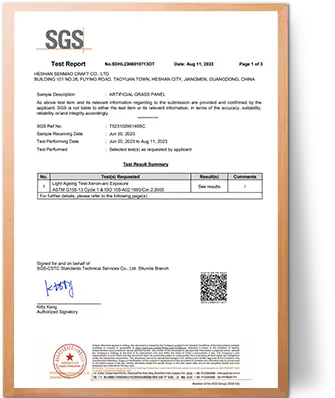
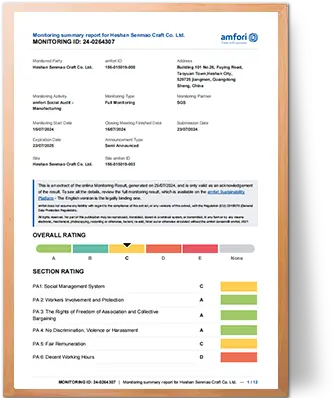
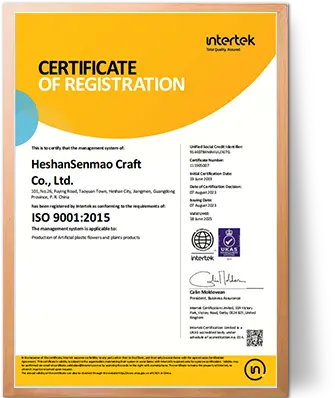
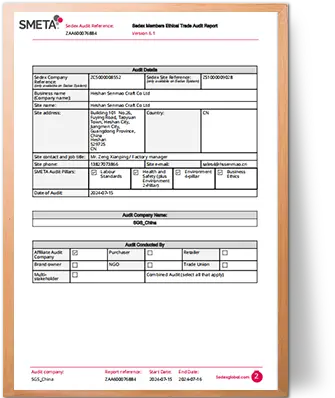
Our commitment to quality and sustainability is unwavering. We hold prestigious certifications such as BSCI, ISO9001, Sedex, and GRS, which not only attest to our strict adherence to ethical business practices but also showcase our profound sense of environmental responsibility.
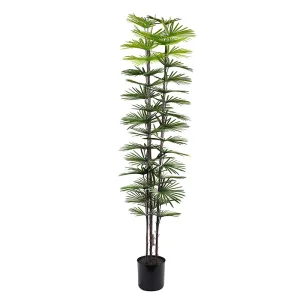
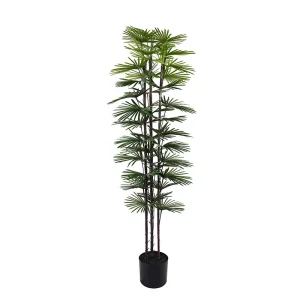
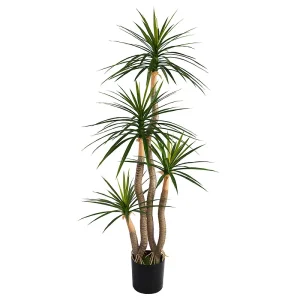
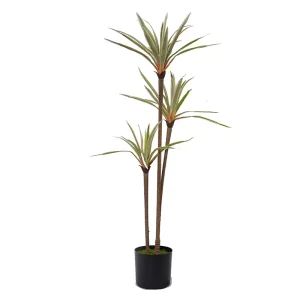
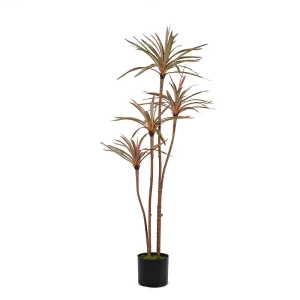
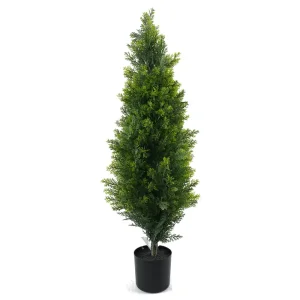
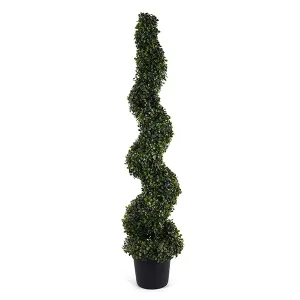
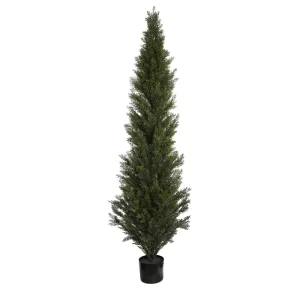
This means that when you choose our products, you are not only enhancing the aesthetic appeal of your space but also making a conscious choice for a greener and more sustainable future. Our product line features an array of customizable artificial plants, including the graceful cypress, the tropical banana, the unique turtle, the spiral-shaped beauty, the fan palm with its distinctive silhouette, the striking tiger plant, and the classic olive trees. Each product is meticulously designed, taking into careful consideration our customers' aesthetic preferences and functional requirements. Whether it's for a cozy residential setting, adding a touch of nature to a bustling commercial space, or enhancing the ambiance of a public area, our artificial plants are the perfect choice.
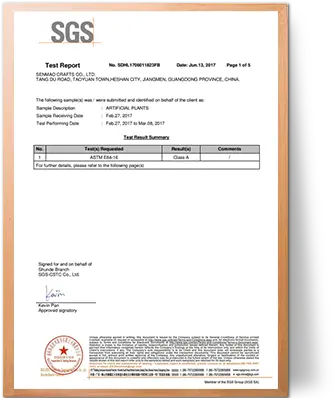
Moreover, our artificial plants are endowed with remarkable features. They are UV-resistant, ensuring their colors remain vivid and true even under the harshest sunlight. Their fire-resistant property provides an added layer of safety, making them suitable for various environments. Being environmentally friendly, they require no watering or fertilizing, saving both time and valuable resources.
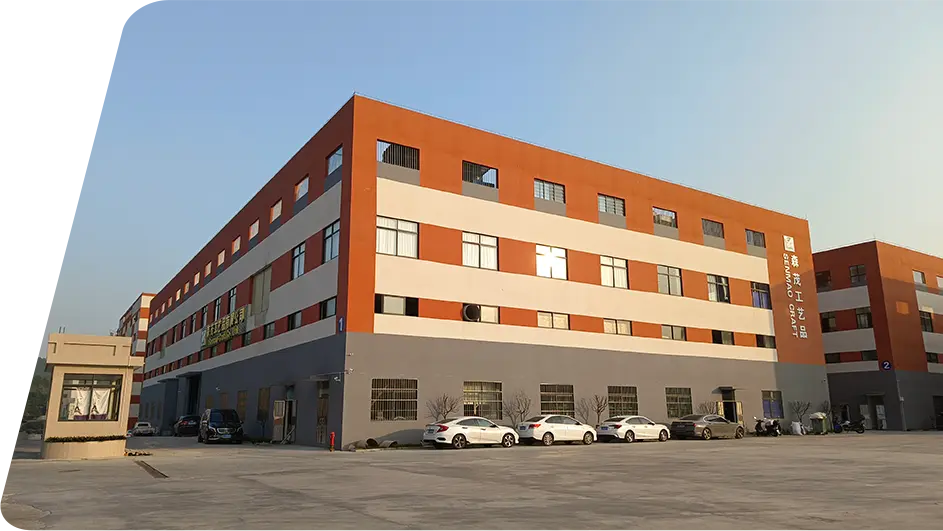
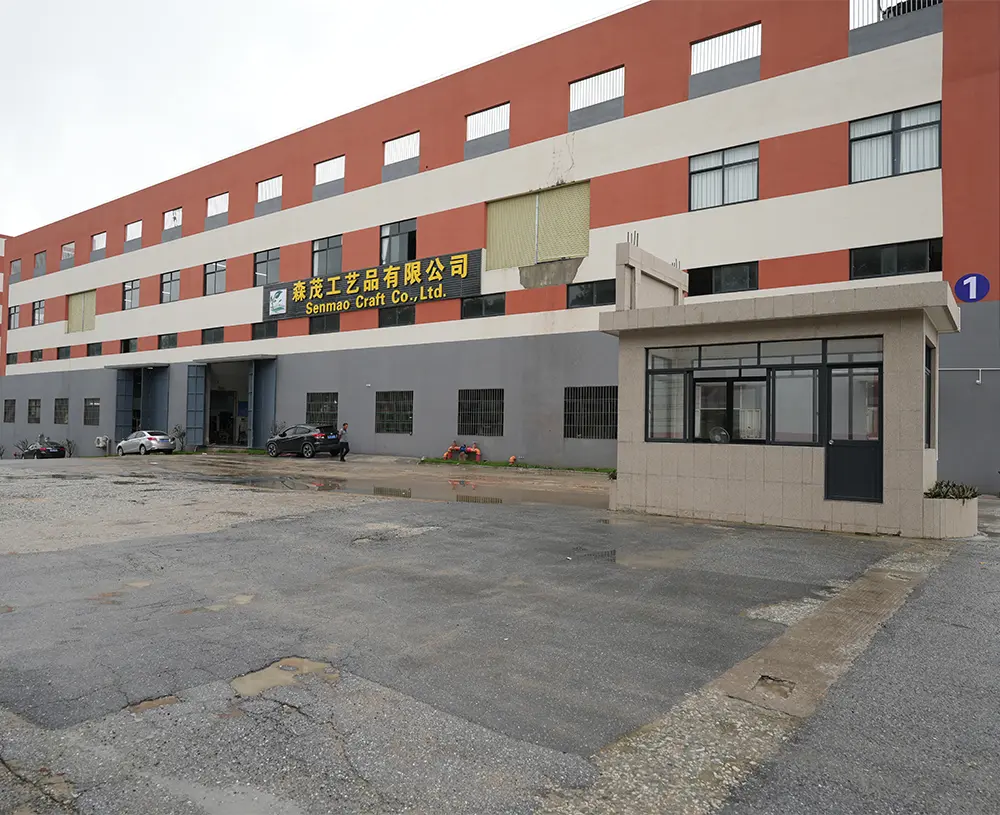
China's artificial plant manufacturing sector has evolved from a labor-intensive industry into an advanced, technology-driven supply chain. Operating out of Heshan, Guangdong—the heart of southern China's industrial manufacturing corridor—Heshan Senmao Craft Co., Ltd. benefits from a robust regional ecosystem. This network guarantees access to raw materials, rapid prototyping, and efficient shipping channels through the ports of Guangzhou and Shenzhen.
Our manufacturing facility integrates precision plastic injection molding machines, automated fabric-cutting technologies, and custom assembly systems. This high degree of integration enables us to produce complex bionic designs with consistent leaf densities and exact dimensional depths. By automating core processes, we manage production variations, maintain structural integrity, and scale capacity efficiently. This allows us to handle large-volume orders for global distributors while offering competitive pricing.
Developing outdoor-rated, fire-retardant biophilic surfaces requires rigorous testing and material science. Our technical roadmap focuses on improving the lifespans of polymer compounds, ensuring they withstand varied environmental stresses:
Exposure to solar radiation triggers photo-oxidation in untreated plastics, causing brittleness, discoloration, and structural breakdown. To prevent this degradation, we blend Hindered Amine Light Stabilizers (HALS) and primary UV-absorbers directly into our PE and PEVA resins during the compounding phase. This homogeneous distribution ensures the polymer maintains its physical properties and color even when exposed to high ultraviolet radiation.
For commercial interior installations, fire safety is a non-negotiable regulatory requirement. Our fire-resistant product lines incorporate halogen-free, non-toxic flame retardants during polymerization. When exposed to heat, these additives generate a carbon protective layer that cuts off oxygen supply and self-extinguishes flames. This chemical formulation ensures compliance with international building standards, including EN 13501-1 (Class B) and NFPA 701, meeting the strict requirements of public safety authorities.
In response to the growing global demand for circular economy products, we are expanding our use of bio-based plastics and post-consumer recycled (PCR) resins. Working under the Global Recycled Standard (GRS) framework, we track recycled materials from input to finished product. This approach reduces carbon footprints and helps projects earn LEED and BREEAM certifications, providing commercial buyers with a clear competitive advantage.
For international trade, compliance certifications are essential for establishing reliability and trust. Heshan Senmao's alignment with globally recognized auditing standards protects our distributors and partners from operational and legal risks:
Our manufacturing facilities undergo regular audits via the Business Social Compliance Initiative (BSCI) and Sedex frameworks. These audits verify fair wages, safe working conditions, ethical labor practices, and transparent management systems.
Our quality management systems are structured around ISO 9001 protocols. This framework ensures raw material inspections, in-line process monitoring, and comprehensive final batch testing to guarantee product consistency.
The Global Recycled Standard (GRS) verifies recycled content in our finished products. It guarantees that our eco-friendly green walls use verified recycled plastics, validating our environmental claims for demanding corporate clients.
 Senmao garden