
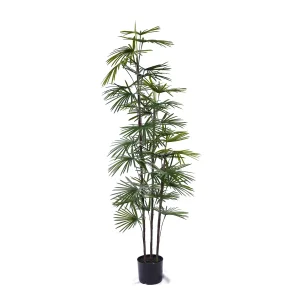
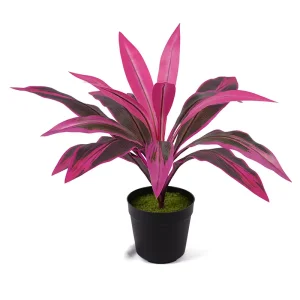
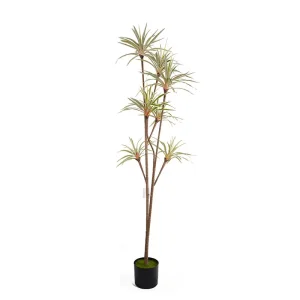
Modern commercial infrastructure is undergoing a paradigms-shifting transition toward biophilic design integration. In recent years, urban designers, commercial property managers, and global procurement offices have recognized a critical challenge: integrating natural flora within modern interior architecture remains financially and logistically prohibitive. Real vegetation demands constant maintenance, specific lighting configurations, chemical fertilizers, and large amounts of water resources, resulting in excessive operational costs. This has driven the unprecedented demand for wholesale fake wall hanging plants, which offer a resilient, highly customizable, and cost-effective alternative for global enterprises.
As a leading authority in the artificial greenery sector, we present this technical breakdown of the supply chains, polymer sciences, manufacturing methodologies, and ecological impact considerations governing the procurement of commercial-grade synthetic plants. Whether looking to outfit multi-facility offices, public transportation hubs, high-density residential properties, or hospitality spaces, this industry overview provides the essential knowledge necessary to secure reliable suppliers, optimize procurement costs, and implement lasting biophilic solutions.
China's manufacturing centers in Guangdong (such as Heshan and Dongguan) houses a dense concentration of material raw suppliers, tooling makers, mold engineers, and logistics networks, shortening product development lifecycles.
Utilizing premium polymers, CAD modeling, and custom structural molds, Chinese factories replicate realistic natural patterns, ensuring botanical accuracy down to the vein layout and organic color distribution.
Industrial manufacturing capacities enable large-scale output without sacrificing custom adjustments, allowing tailored color tones, custom hanging lengths, and bespoke flame-retardant integration.
Premium synthetic plants are no longer made from fragile silk or cheap plastics. Today's commercial requirements demand high-performance polymers engineered to withstand extreme environmental stresses. The core polymers utilized in the manufacturing process of wholesale fake wall hanging plants include:
For exterior wall assemblies, HDPE and PU serve as the backbone material. Their structural strength allows leaves, branches, and tendrils to withstand physical impacts, strong winds, and heavy rainfall. At the molecular level, HDPE provides excellent tensile strength and flexibility, preventing the snapping of hanging components under stress.
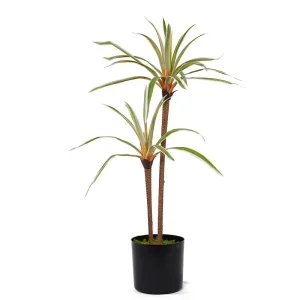
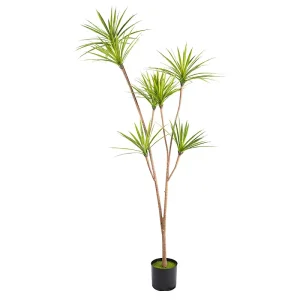
PEVA is widely implemented in interior premium foliage, such as our Dracaena marginata and detailed leaf arrays. This material delivers a soft, rubbery, natural texture that mimics the tactile feel of living leaves. It is completely non-toxic and lacks the harsh chemical odor often associated with lower-grade PVC alternatives.
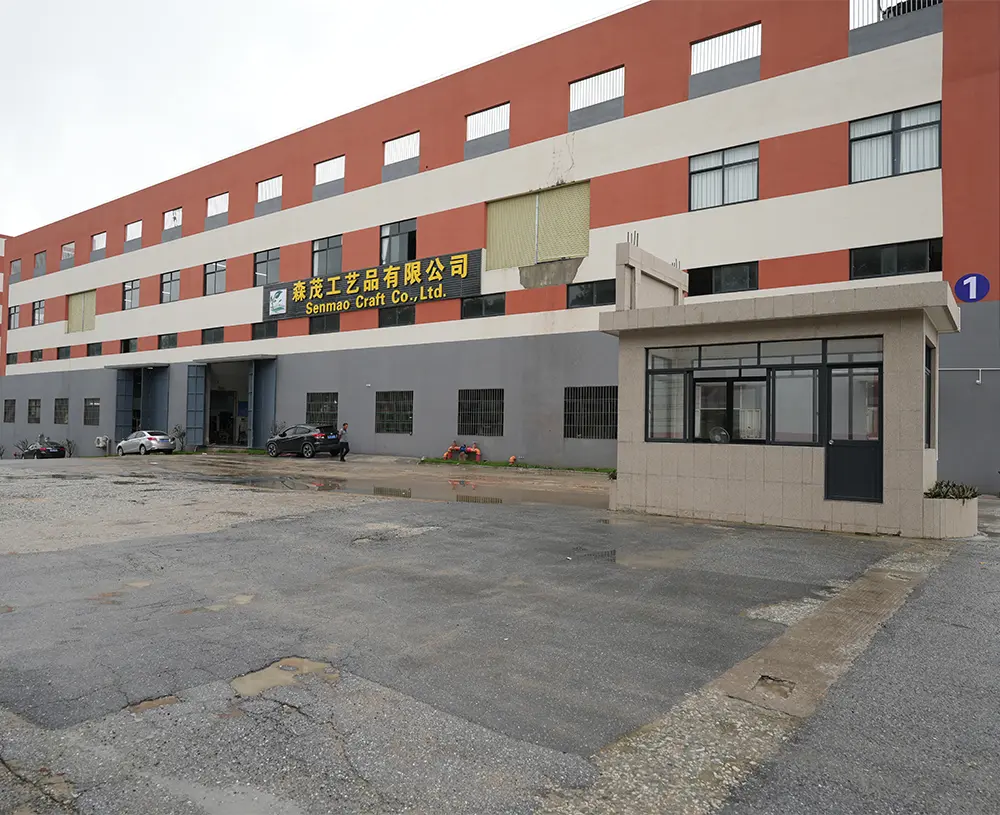
Heshan Senmao Craft Co., Ltd., situated in the vibrant city of Heshan, Guangdong, China, has firmly established itself as a leading player in the burgeoning artificial plants market. Boasting rich and profound experience within the horticultural realm, our company has mastered the art of manufacturing an extensive assortment of artificial plants.
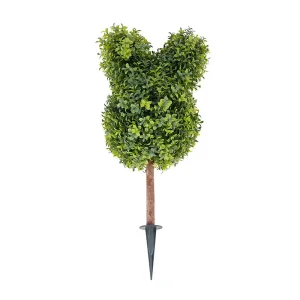
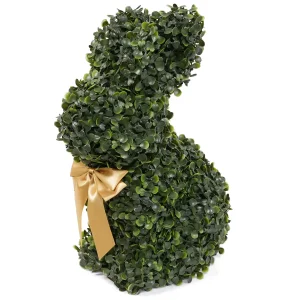
From the stately plant trees and meticulously crafted bonsai to the charming grass balls, practical grass boards, elegant obelisks, and vibrant flower baskets, our product range is as diverse as it is impressive. Our manufacturing facility utilizes advanced production machinery, rigorous quality control protocols, and skilled artisans to transition design concepts into commercial-ready products.
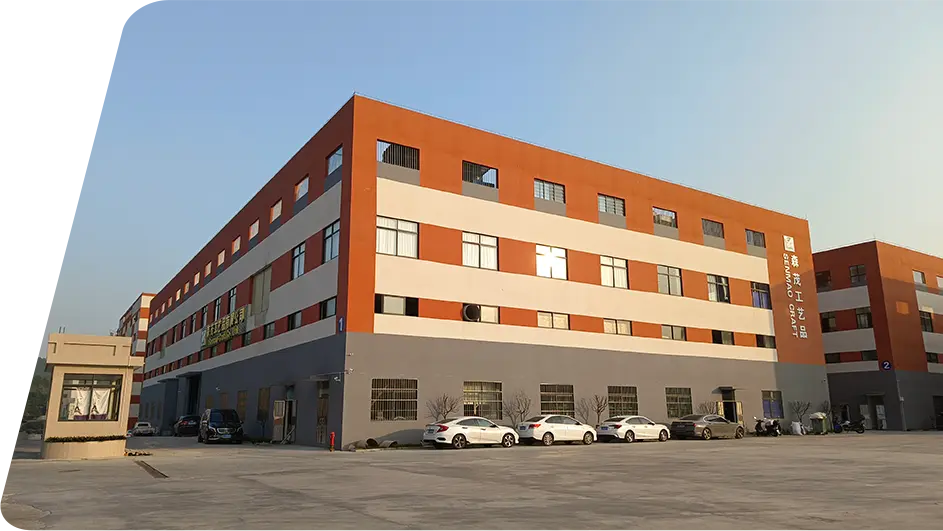
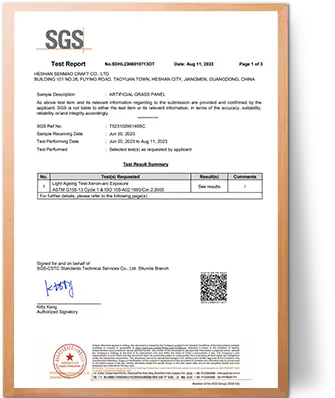
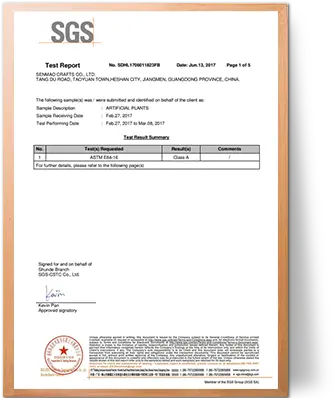
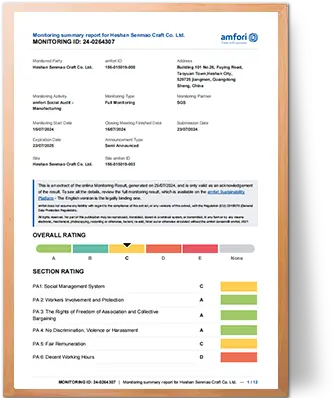
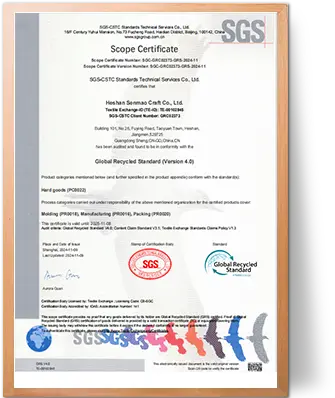
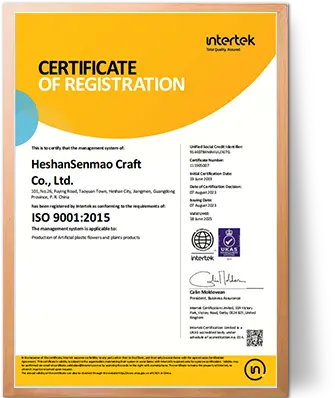
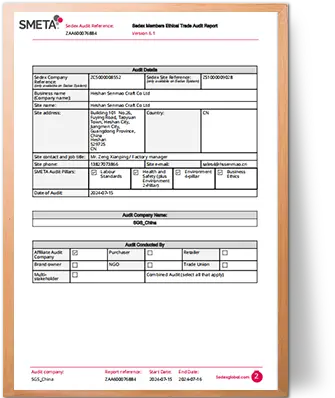
Our commitment to quality and sustainability is unwavering. We hold prestigious certifications such as BSCI, ISO9001, Sedex, and GRS, which not only attest to our strict adherence to ethical business practices but also showcase our profound sense of environmental responsibility.
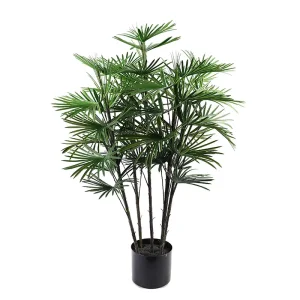
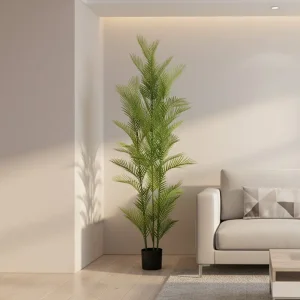
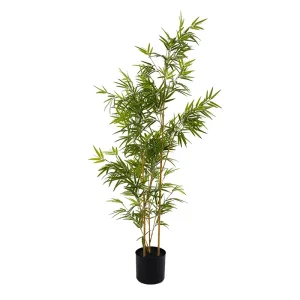
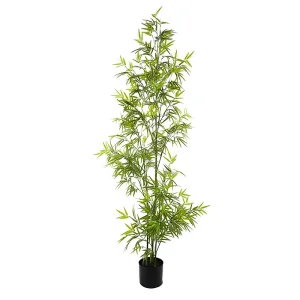
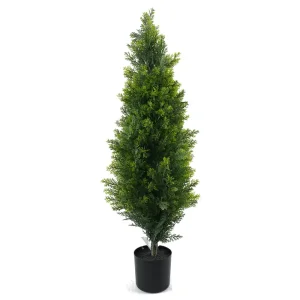
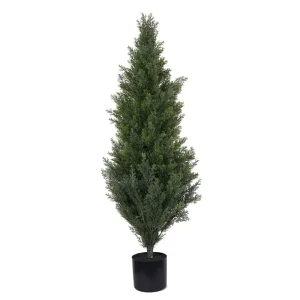
This means that when you choose our products, you are not only enhancing the aesthetic appeal of your space but also making a conscious choice for a greener and more sustainable future. Our product line features an array of customizable artificial plants, including the graceful cypress, the tropical banana, the unique turtle, the spiral-shaped beauty, the fan palm with its distinctive silhouette, the striking tiger plant, and the classic olive trees.
Each product is meticulously designed, taking into careful consideration our customers' aesthetic preferences and functional requirements. Whether it's for a cozy residential setting, adding a touch of nature to a bustling commercial space, or enhancing the ambiance of a public area, our artificial plants are the perfect choice.
Custom artificial hanging plants, leafy creepers, and modular wall green systems serve vital functions across multiple industries. These installations improve acoustic comfort, provide visual partitions, and enhance human well-being within highly structured workspaces.
Commercial complexes integrate vertical synthetic gardens in lobbies and conference rooms to reduce noise echo. Hanging configurations require zero plumbing or structural wall reinforcements, cutting building retrofit costs by up to 75% compared to live green walls.
For restaurants, bars, and hotels, hygiene is a key priority. Live plants attract insects and require damp soil, which can foster mold and bacteria. Our fire-resistant, non-allergenic synthetic foliage keeps dining areas clean and safe.
Balconies, pathways, and common areas benefit from UV-stabilized hanging baskets and vertical hedges. They resist heavy sun exposure and weather conditions, maintaining their fresh appearance year after year with minimal maintenance.
The global artificial plants industry is evolving rapidly, driven by shifting environmental regulations, material science breakthroughs, and growing demand for circular construction options. Key trends shaping future procurement decisions include:
Corporate sustainability goals are driving demand for products manufactured from post-consumer recycled (PCR) plastics. The Global Recycled Standard (GRS) verifies recycled content throughout the supply chain. By sourcing GRS-compliant synthetic greenery, brands can align their interiors with zero-carbon goals and count these installations toward green building certifications like LEED.
Advanced commercial interiors now combine artificial hanging plants with smart LED light systems. Designers can adjust color temperatures and projection angles to simulate dynamic sunlight moving through a natural forest canopy, enhancing human well-being and productivity in windowless environments.
Global fire safety codes are becoming increasingly stringent. Leading manufacturers are moving away from surface-applied fire-retardant sprays, which can wash off over time. Instead, fire-retardant additives are mixed directly into the polymer melt during the injection molding process. This ensures permanent, life-long fire protection for indoor applications.
For outdoor use, high-density polyethylene (HDPE) blended with Hindered Amine Light Stabilizers (HALS) is the industry standard. This chemical combination protects the plastic matrix from UV radiation, preventing degradation, cracking, and fading. Standard PEVA or silk materials are recommended for indoor use only, as they lack sufficient UV stabilizers to withstand direct sunlight.
Leading manufacturers like Heshan Senmao offer comprehensive OEM/ODM services. The process begins with detailed CAD modeling or 3D rendering. Once approved, steel injection molds are fabricated. Clients can select custom plastic formulations (such as fire-resistant or UV-stable grades) and adjust leaf densities and hanging styles to meet project needs.
Global procurement teams should verify that suppliers hold BSCI (Business Social Compliance Initiative) or Sedex audits for ethical labor practices, ISO9001 for quality control, and GRS (Global Recycled Standard) for ecological material verification. These certifications ensure compliance with international trade laws and retail safety regulations.
Under indoor conditions, high-quality synthetic green walls last from 8 to 10 years with minimal maintenance (occasional light dusting). For outdoor installations, UV-stabilized products typically maintain their color and structural integrity for 3 to 5 years, depending on regional solar intensity and exposure.
Yes. While synthetic plants do not produce oxygen, they contribute to LEED or WELL building standards under material reuse, waste reduction (long lifespan compared to live plants), and biophilic design parameters. Additionally, choosing GRS-certified recycled plastic products helps satisfy requirements for sustainable sourcing of raw materials.

 Senmao garden