Engineered architectural-grade botanical elements for corporate offices, commercial workspaces, and global B2B supply lines.
Analyzing B2B macroeconomics, market indicators, and the structural shift toward engineered commercial botanicals.
The global commercial landscape for fall artificial plants and seasonal botanical installations has transitioned from simple residential accents to high-performance, specification-grade components of modern architectural designs. Valued at billions of dollars internationally, the artificial foliage and landscape element market is growing rapidly due to the rise of biophilic design. Urban developers, commercial property managers, hotel designers, and retail chains are realizing that maintaining living foliage in high-traffic indoor and outdoor spaces presents complex, costly structural and maintenance challenges.
Modern enterprises prioritize durability, safety compliance, and environmental responsibility. In response, suppliers are transitioning to advanced polymer technologies like PE (Polyethylene) and PEVA (Polyethylene Vinyl Acetate). The market is moving away from cheap silk alternatives to premium, high-fidelity synthetic botanicals that withstand severe environmental conditions, including high UV exposure and strict municipal fire codes.
Key drivers behind the growing B2B procurement of synthetic autumn foliage include:
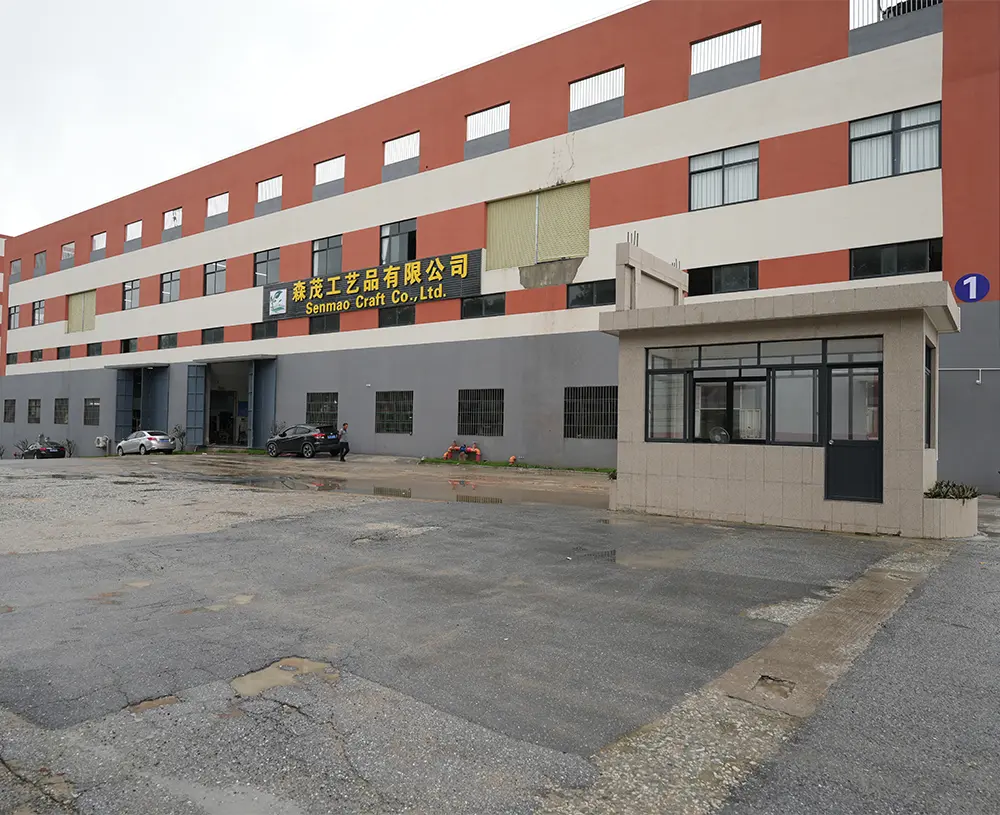
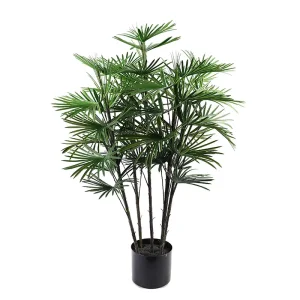
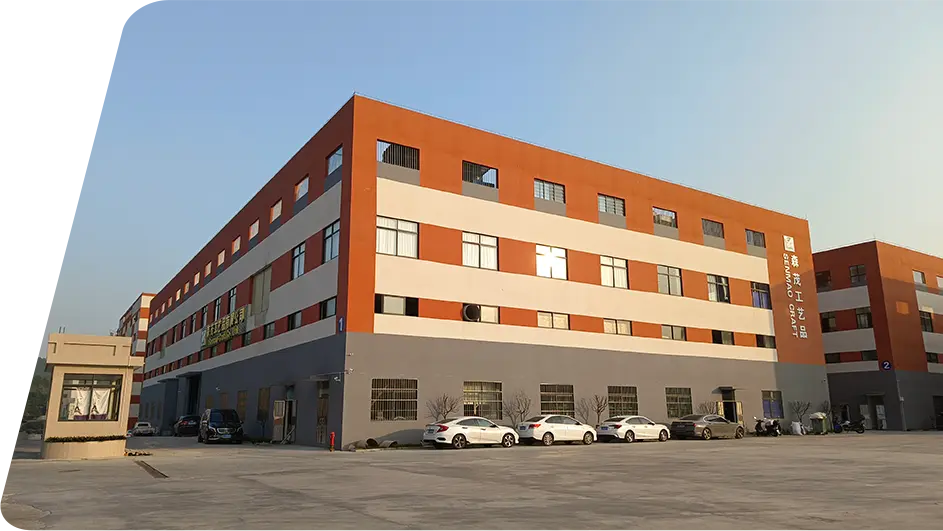
Located in the industrial city of Heshan, Guangdong, China, Heshan Senmao Craft Co., Ltd. has established itself as a leading manufacturer in the artificial plants market. Leveraging decades of experience, we produce a wide range of synthetic botanical solutions, including grand artificial trees, detailed bonsai designs, durable grass balls, practical grass boards, custom obelisks, and vibrant flower baskets.
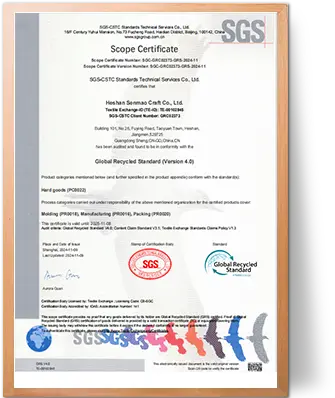
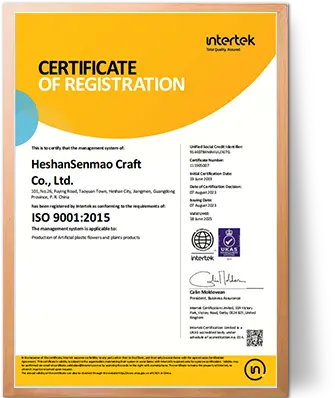
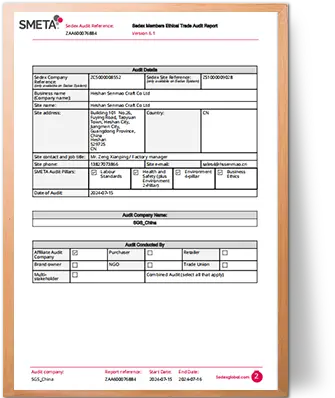
Our business practices focus on strict quality control and sustainability. We hold international certifications, including BSCI, ISO9001, Sedex, and GRS (Global Recycled Standard), demonstrating our compliance with ethical production guidelines and environmental stewardship.
How verified environmental, social, and quality standards protect global sourcing lines and satisfy B2B compliance audits.
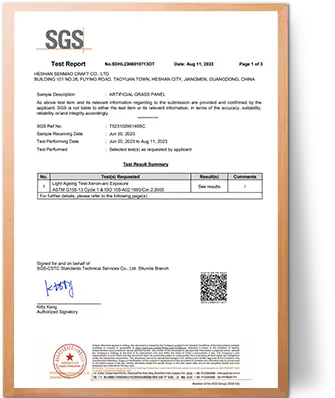
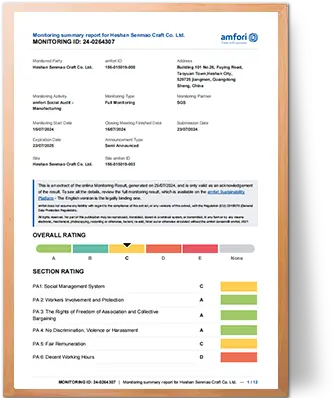
Global enterprise buyers must manage sourcing risks by evaluating supply chain transparency and regulatory compliance. Our facilities undergo annual audits to verify conformance with key metrics: BSCI (Business Social Compliance Initiative) for labor practices, ISO9001 for quality management, Sedex for ethical supply chain visibility, and GRS (Global Recycled Standard) for post-consumer recycled polymer integration.
This systematic compliance ensures our customizable artificial plants meet high aesthetic standards while aligning with global green purchasing programs.
Analyzing the manufacturing capabilities, supply chain integration, and engineering technologies of Guangdong's botanical industry cluster.
Guangdong’s chemical and polymer industrial ecosystems provide immediate access to specialized synthetic materials. We formulate custom UV-inhibiting polymers and fire-retardant additives directly into the PE and PEVA melt during extrusion, rather than relying on surface coatings. This deep compounding extends the functional lifespan of the foliage and prevents the discoloration common in lower-grade products.
Our tooling workshop designs and cuts steel injection molds using CNC machinery based on 3D biological scans of real leaves. This level of vertical integration allows us to progress from a client's concept art or botanical specimen to a physical prototype within days. This process enables fast turnarounds on custom orders for large-scale commercial projects.
Our production facilities utilize automated multi-station injection molding, vulcanization presses, and assembly lines. We monitor quality at every step, verifying pigment consistency, tensile strength, and stem-to-leaf attachment durability. These strict protocols reduce defective rates to less than 0.05% across large production runs.
Adapting artificial foliage systems to meet safety codes, weather conditions, and architectural designs across diverse commercial spaces.
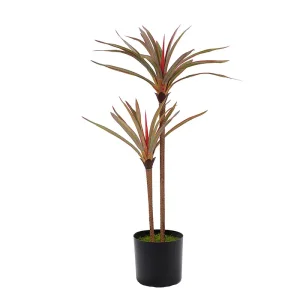
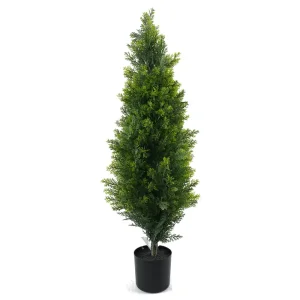
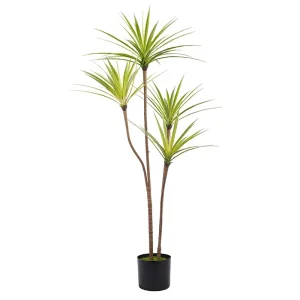
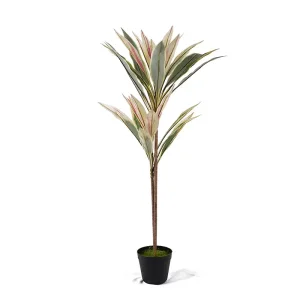
Modern office environments prioritize biophilic design to support employee well-being and productivity. However, insufficient natural light and complex interior layouts make live plants difficult to sustain. Our custom cypress, dracaena, and olive trees provide a natural aesthetic without the maintenance challenges, pollen issues, or soil-borne pests of live vegetation.
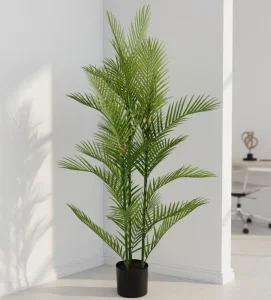
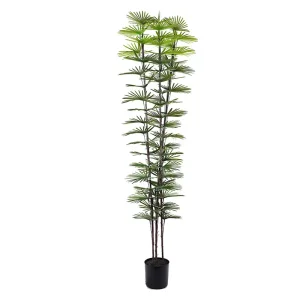
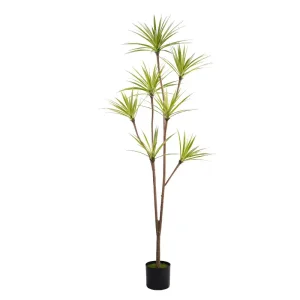
Hotels, resorts, and commercial plazas feature large open areas that require bold architectural statements. Our taller botanical items, including palm selections ranging from 125cm to 210cm and multi-stem trees, deliver immediate visual impact. Engineered with fire-resistant properties, they meet strict indoor safety codes for public gathering spaces.
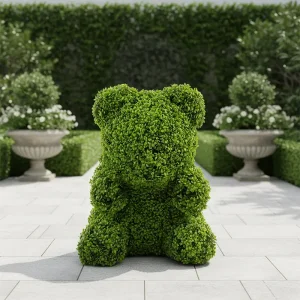
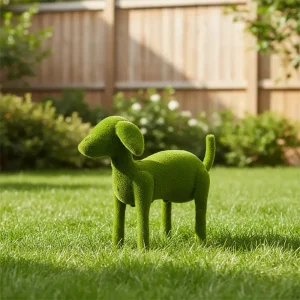
High-exposure outdoor environments, such as storefronts, patios, and building facades, expose artificial foliage to intense UV radiation and temperature fluctuations. Our UV-resistant PE grass panels and structural topiary shapes are formulated to resist fading, brittleness, and structural degradation, ensuring they maintain their appearance through seasonal transitions.
The manufacturing of high-quality artificial plants has evolved beyond simple plastic extrusion into a complex process involving material science, environmental engineering, and safety compliance.
UV Stability (UV-Blocker Compounding): Sunlight degrades standard polymers, leading to chalking, fading, and structural failure. We address this by blending HALS (Hindered Amine Light Stabilizers) and UV-absorbing compounds directly into our polymers. This molecular protection enables our products to withstand intense sunlight exposure over extended periods.
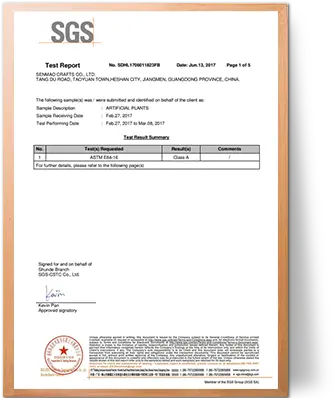
Inherently Fire Retardant (IFR) Technology: Building codes in major global markets require indoor materials to meet strict flammability standards. Our products incorporate halogen-free flame retardants during production. This ensures they meet Class A standards, generating minimal smoke and self-extinguishing if exposed to an open flame.
Key standards for commercial developers, sourcing directors, and wholesale importers to evaluate when choosing manufacturing partners.
Confirm the manufacturer holds valid certifications (BSCI for labor standards, ISO9001 for quality systems, and GRS for recycled material content) to verify compliance with global supply chain regulations.
Verify whether fire-retardant and UV-resistant additives are blended directly into the polymer formulation or merely applied as surface sprays, as surface coatings wear off quickly.
Prioritize manufacturers that offer detachable trunk designs, modular leaf systems, and adjustable branches. These features lower shipping costs and simplify installation.
Ensure the manufacturer has in-house mold design and tooling departments. This allows them to quickly customize heights, foliage densities, and colors to match your project specifications.
Expert answers to common B2B questions regarding materials, certifications, customization options, and international shipping.
Q1: What certifications do Heshan Senmao plants hold for commercial projects?
We hold BSCI, ISO9001, Sedex, and GRS certifications. These credentials confirm our compliance with strict quality standards, ethical manufacturing practices, and environmental stewardship, which helps simplify supply chain audits for global purchasers.
Q2: How do your products achieve fire retardancy, and do they meet international building codes?
Our fire-retardant additives are integrated directly into the polymer blend during extrusion, rather than sprayed on. This ensures long-lasting safety performance that meets common international standards, including Class A (ASTM E84) and European flammability classifications.
Q3: Can your plants withstand outdoor exposure in high-sunlight regions?
Yes. We incorporate Hindered Amine Light Stabilizers (HALS) into our plastic formulations. This molecular protection helps prevent cracking, fading, and structural degradation in outdoor settings exposed to intense UV rays.
Q4: Are your botanical products customizable to meet specific architectural requirements?
Yes. We provide complete customization services for B2B clients, including height adjustments, leaf density modifications, stem configurations, and color matching. Our engineering team can develop custom molds and prototypes based on your project diagrams.
Q5: What materials are used to construct the foliage and trunks?
We use high-grade PE, PEVA, and nylon depending on the application. PEVA is selected for its realistic texture and matte finish on leafy indoor plants, while PE and reinforced frames are used for larger, more structural outdoor installations.
Q6: How do modular designs lower shipping costs for large orders?
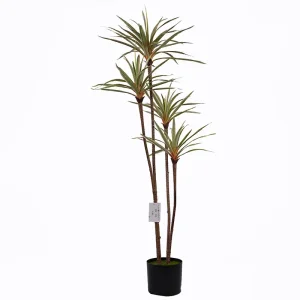
Many of our larger trees, such as our 185cm and 210cm palm and dracaena models, feature detachable trunks and branches. This design allows them to pack flatter, maximizing container volume and reducing international shipping rates.
Q7: Do you offer environmental compliance documentation for sustainable projects?
Yes. Under our GRS certification, we can provide material source documentation and trace PCR (Post-Consumer Recycled) polymers. This documentation supports green building goals like LEED and BREEAM certification.
Premium outdoor landscaping structures, customized animal topiaries, and high-density green wall panels for commercial environments.
 Senmao garden