Wholesale Faux Greenery Outdoor Manufacturers & Factory

Architectural-Grade UV & Fire-Resistant Artificial Landscape Foliage for Global Commercial Sourcing

Global Industry Overview & Market Dynamics

The global commercial landscaping industry is undergoing a structural paradigm shift. As urban density increases and the impacts of regional climate shifts manifest in prolonged droughts and extreme thermal conditions, real estate developers, hospitality chains, and municipal authorities are seeking sustainable, low-impact alternatives to live foliage. Synthetic greenery is no longer viewed merely as an interior decorative accessory. Today, outdoor faux greenery constitutes a key element of modern biophilic architectural design, delivering instant aesthetic value without the associated ecological and financial strains of irrigation, fertilization, and regular manual maintenance.

Information Gain Trend: Recent data indicates that transitioning to commercial-grade synthetic landscaping can reduce facilities management water footprints by up to 98% and eliminate maintenance labor costs, offering an estimated return on investment (ROI) within 18 to 24 months.

In major urban hubs across Europe, North America, and the Middle East, architectural specifications increasingly call for artificial green walls, exterior boxwood hedges, structural topiary structures, and large-scale faux botanical installations. This shift is accelerated by building standards such as LEED and WELL, which encourage biophilic elements that can prove long-term durability and low volatile organic compound (VOC) emissions.

98%
Water Conservation
100%
Zero Pesticide Use
< 2 Yrs
Average Sourcing ROI
5+ Yrs
UV Stability Lifespan

Understanding Sourcing Intent: B2B Procurement Criteria

B2B buyers, including landscape architects, interior designers, commercial procurement agents, and bulk importers, operate under strict regulatory and structural criteria. Unlike consumer retail purchases, commercial procurement mandates compliance with high-performance standards:
  • UV Degradation Protection: Outdoor artificial foliage must withstand continuous solar radiation. Standard plastics degrade, fade, and become brittle within months. Premium outdoor faux greenery must utilize Hindered Amine Light Stabilizers (HALS) integrated directly into the polymer matrix during raw material extrusion, rather than relying on a topical spray coating that can wash away.
  • Fire Retardancy: Interior public spaces, building facades, and egress pathways must comply with local fire safety codes (such as NFPA 701, ASTM E84 Class A, or EN 13501-1). Global procurement relies on manufacturers that can provide verifiable test documentation.
  • Chemical Safety and Compliance: Environmental standards such as REACH, RoHS, and Prop 65 require that heavy metal stabilizers (such as lead or cadmium) and plasticizers (phthalates) are excluded from the production process.
Outdoor Artificial Greenery Factory Production

Advanced Engineering: UV Resistance and Fire Retardancy

When deploying faux greenery outdoors, environmental durability is paramount. Modern synthetic foliage is subjected to intense environmental stresses, including ultraviolet (UV) radiation, severe wind loads, temperature extremes, and precipitation.

Our outdoor collections are engineered utilizing high-density polyethylene (HDPE) or premium polyurethane (PU) compounded with advanced UV-inhibitor packages. This formulation ensures that the polymer chains resist photodegradation, maintaining tensile strength and colorfastness even under high solar exposure. Our products are formulated to pass rigorous testing procedures, ensuring long-term structural integrity and aesthetic consistency.

Additionally, for projects requiring strict fire safety compliance, our specialized fire-resistant lines incorporate flame-retardant additives directly into the raw materials. This ensures that the fire retardant properties are inherent to the material and will not diminish over time or under exposure to outdoor weather conditions.

The China Manufacturing Advantage: Industrial Scale & Precision

China remains the global hub for synthetic horticultural manufacturing, driven by comprehensive industrial ecosystems, advanced machinery, and highly integrated supply chains. The Guangdong manufacturing cluster, in particular, offers significant B2B advantages:

  • Vertical Integration: Factories house raw material compounding, precision mold design, injection molding, structural steel integration, and final assembly within a single region, minimizing production bottlenecks.
  • State-of-the-Art Prototyping: Utilizing CAD design and rapid prototyping, manufacturers can transition custom concepts from digital designs to physical production samples in a fraction of standard industry lead times.
  • Economies of Scale: High-volume production capability allows manufacturers to source raw resins, UV packages, and packaging materials at lower costs, passing these savings on to B2B clients in the form of competitive wholesale pricing.
  • Global Logistics Infrastructure: Close proximity to major international shipping hubs like Guangzhou, Shenzhen, and Hong Kong facilitates efficient shipping options, customs clearance, and global distribution.

Strategic Application Scenarios for Commercial Projects

Outdoor faux greenery is utilized across diverse commercial and architectural applications:

  1. Exterior Building Facades & Green Walls: Faux green walls provide architectural depth, transforming concrete structures into verdant landmarks while mitigating the urban heat island effect without irrigation requirements.
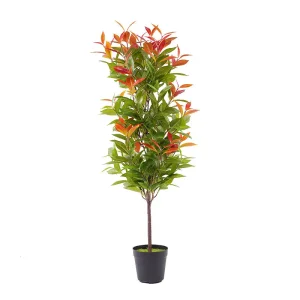
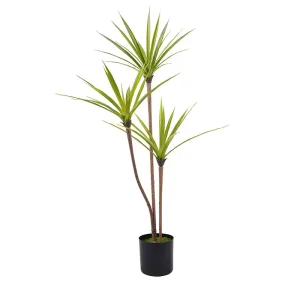
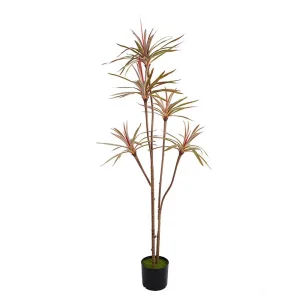
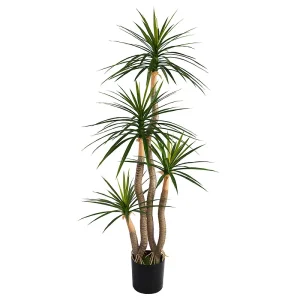
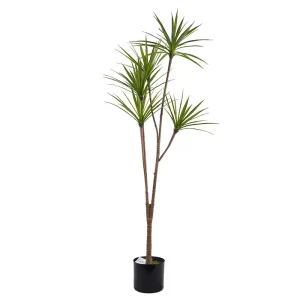
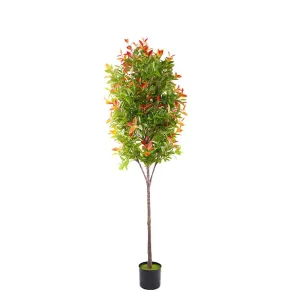
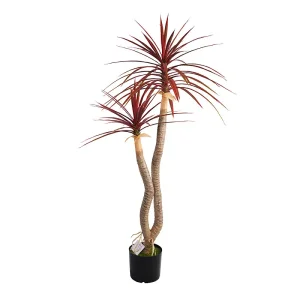
  2. Hospitality & Terrace Dividers: Hotels and restaurants use faux boxwood planters and tall structural barriers (such as artificial Dracaena or Photinia hedges) to partition outdoor dining zones and create private spaces.
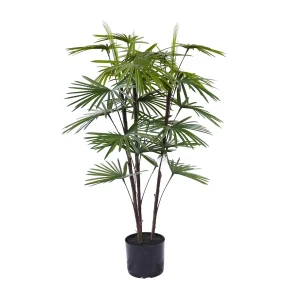
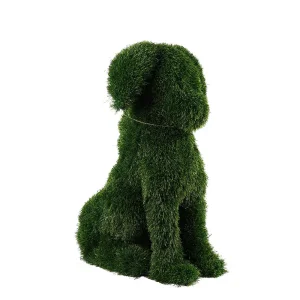
  3. Retail Centers & Theme Parks: Large-scale decorative installations, including customized animal topiaries and artificial palms, provide photo opportunities and enhance visitor engagement.
  4. High-Exposure Urban Landscaping: Areas characterized by poor sunlight, high pollution, or extreme wind loads—such as rooftop decks and transit hubs—benefit from low-maintenance synthetic greenery that remains vibrant year-round.

About Heshan Senmao Craft Co., Ltd.

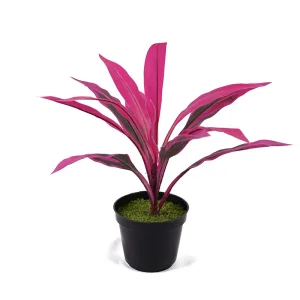
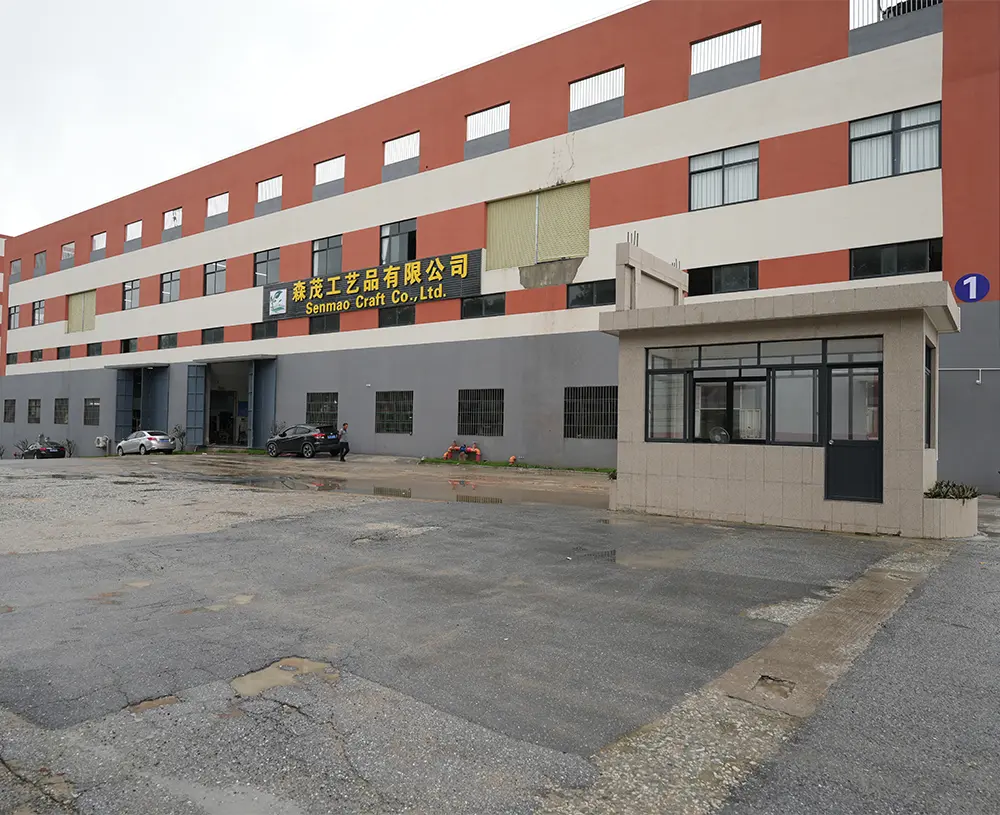
Heshan Senmao Craft Co., Ltd., situated in the vibrant city of Heshan, Guangdong, China, has firmly established itself as a leading player in the burgeoning artificial plants market. Boasting rich and profound experience within the horticultural realm, our company has mastered the art of manufacturing an extensive assortment of artificial plants. From the stately plant trees and meticulously crafted bonsai to the charming grass balls, practical grass boards, elegant obelisks, and vibrant flower baskets, our product range is as diverse as it is impressive.

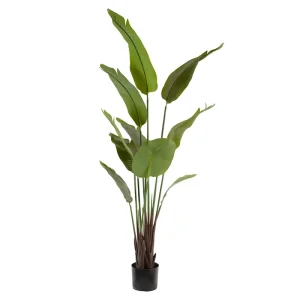
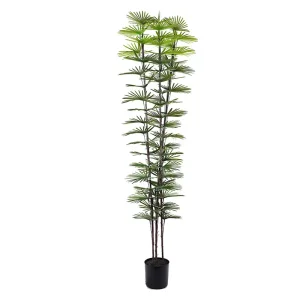
This means that when you choose our products, you are not only enhancing the aesthetic appeal of your space but also making a conscious choice for a greener and more sustainable future. Our product line features an array of customizable artificial plants, including the graceful cypress, the tropical banana, the unique turtle, the spiral-shaped beauty, the fan palm with its distinctive silhouette, the striking tiger plant, and the classic olive trees. Each product is meticulously designed, taking into careful consideration our customers' aesthetic preferences and functional requirements.

Whether it's for a cozy residential setting, adding a touch of nature to a bustling commercial space, or enhancing the ambiance of a public area, our artificial plants are the perfect choice. Moreover, our artificial plants are endowed with remarkable features. They are UV-resistant, ensuring their colors remain vivid and true even under the harshest sunlight. Their fire-resistant property provides an added layer of safety, making them suitable for various environments. Being environmentally friendly, they require no watering or fertilizing, saving both time and valuable resources.
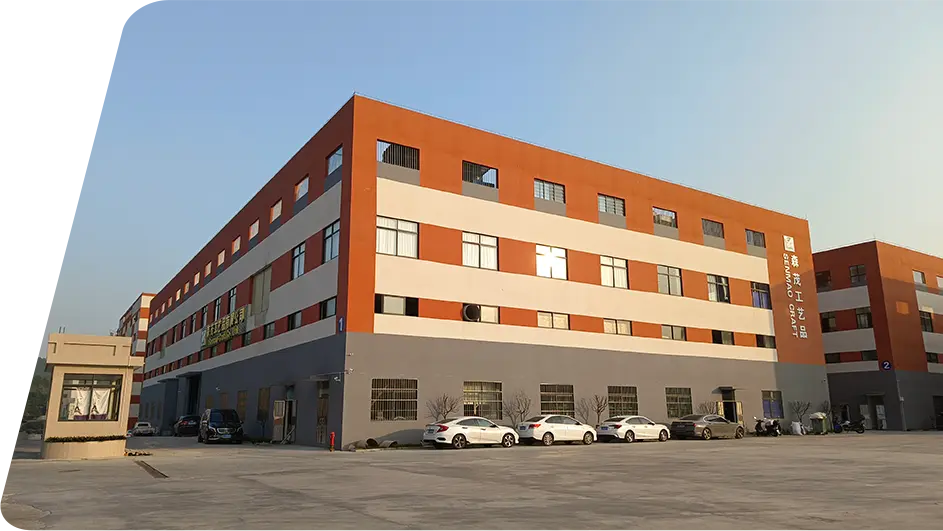
Heshan Senmao Craft Co. Ltd. Facility

Industrial Plant Specifications

  • Location: Heshan City, Guangdong Province, China
  • Primary Offerings: Artificial Trees, Bonsai, Topiaries, Grass Panels, custom vertical gardens
  • Core Capabilities: Custom injection molding, UV stabilizer compounding, structure-frame engineering
  • Key Target Markets: Global B2B importers, landscape distributors, commercial contractors

Commitment to Quality & International Certifications

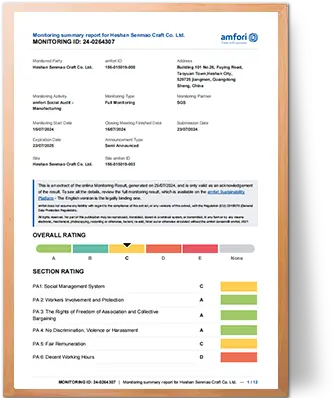
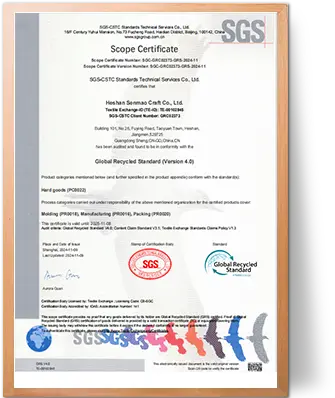
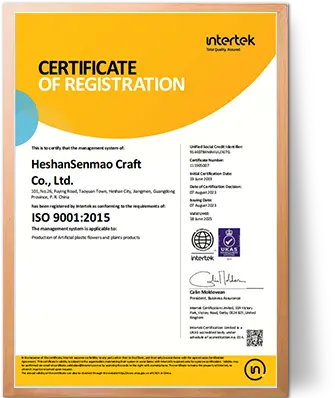
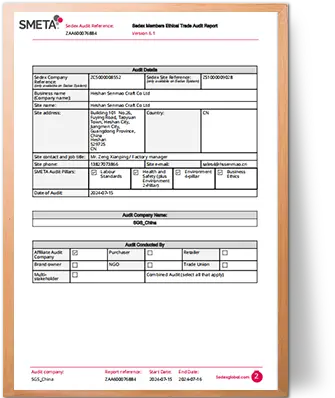
Our commitment to quality and sustainability is unwavering. We hold prestigious certifications such as BSCI, ISO9001, Sedex, and GRS, which not only attest to our strict adherence to ethical business practices but also showcase our profound sense of environmental responsibility.

These certifications represent our alignment with international standards of operational excellence:
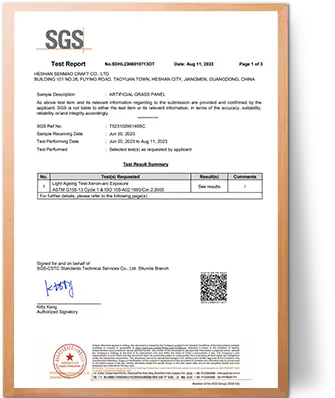
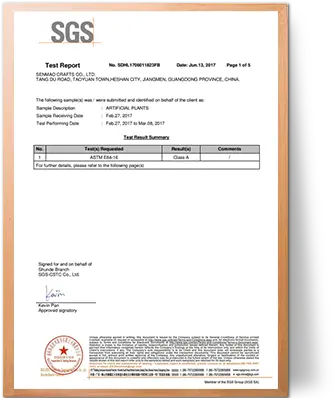
  • BSCI (Social Compliance Audits)
  • ISO9001 (Quality Management Systems)
  • Sedex (Ethical Supply Chain Audits)
  • GRS (Global Recycled Standard compliance)
Certification Badge 1 Certification Badge 2 Certification Badge 3 Certification Badge 4 Certification Badge 5 Certification Badge 6
B2B Sourcing Value: Compliance with BSCI and Sedex ensures that our B2B customers meet corporate social responsibility metrics when importing into highly regulated markets such as the European Union and North America.

By utilizing Global Recycled Standard (GRS) materials, we support circular economy initiatives, helping B2B clients offer environmentally sustainable solutions to end consumers and commercial tenants.

B2B Sourcing & Technical FAQ

Addressing Common Technical Queries from Architects, Importers, and Landscape Planners

Q1: How do you verify and test the UV-resistant properties of your outdoor faux greenery?
Our raw materials are compounded with Hindered Amine Light Stabilizers (HALS) prior to the extrusion process. To verify longevity, materials undergo accelerated weathering tests (such as ASTM G154 or ISO 4892 exposure testing), which simulate years of intensive UV radiation, heat, and moisture. This process ensures that the products resist color fading, chalking, and brittleness in high-UV environments.
Q2: Can your factory manufacture custom foliage shapes, densities, and dimensions?
Yes. We offer comprehensive OEM/ODM services. Our engineering team can develop custom molds based on client CAD files, 3D renderings, or physical samples. We customize density levels, foliage color profiles, fire retardancy levels, and wind-load structures to meet specific B2B project requirements.
Q3: What certifications do your artificial greenery products hold for international markets?
Our facilities and processes hold BSCI, ISO9001, and Sedex certifications. For material compliance, our products can meet REACH, RoHS, and GRS (Global Recycled Standard) requirements. Furthermore, our fire-retardant selections are developed to meet ASTM E84 Class A and other local building code standards upon project specification.
Q4: What is the typical life expectancy of your synthetic foliage when exposed to outdoor elements?
Under standard outdoor exposure conditions, our UV-stabilized products are designed to maintain their structural integrity and color consistency for 3 to 5 years. Indoor installations can expect a lifespan exceeding 8 to 10 years due to the absence of direct solar radiation and weathering.
Q5: What are the minimum order quantities (MOQs) and lead times for wholesale factory-direct orders?
MOQs vary depending on the product type (such as small topiary items, large faux trees, or grass panels). Generally, standard catalog items require a minimum order of 100 to 500 units, while customized items depend on mold requirements. Standard manufacturing lead times are typically 30 to 45 days after deposit confirmation, depending on seasonal demand and factory capacity.
Q6: How does the factory manage quality control (QC) across high-volume production runs?
We employ a strict quality control system managed under our ISO9001 framework. QC checkpoints are integrated throughout production: raw material inspection (density and chemical verification), injection molding consistency, steel frame weld strength, branch pull-force testing, packaging durability, and pre-shipment inspections.