Wholesale PE Plant Wall Supplier & Factories

High-Density, Engineering-Grade Polyethylene Vertical Greenery Solutions. Architectural-Grade UV Stabilization & Class-A Fire Retardant Technology for Global Commercial Systems.

Premium PE Plant Walls & Artificial Grass Panels

Engineered with 100% pure Polyethylene materials. Verified UV-stable formulations for structural resilience in extreme commercial environments.

Section 1: The Global Evolution of Polyethylene (PE) Plant Walls in Biophilic Infrastructure

In modern architectural paradigms, the integration of green spaces has transitioned from an aesthetic luxury to a vital element of building design. Driven by the demands of urbanization and the expansion of the biophilic design index, developers, architectural agencies, and commercial contractors seek sustainable, long-term options to replace high-maintenance living systems. The development of engineering-grade Polyethylene (PE) plant walls has revolutionized this space. It provides a durable, zero-water alternative that performs reliably across demanding outdoor thermal profiles and indoor commercial areas.

Unlike early generation materials that degraded quickly under environmental stressors, modern PE formulations represent a major breakthrough in polymer science. By incorporating advanced masterbatch stabilizers and UV-resistant compounds directly into the material during extrusion, manufacturers have resolved issues related to structural brittleness, color loss, and polymer degradation. This guide explores the engineering behind modern PE green walls, evaluating their performance indicators, supply chain logistics, and environmental benefits.

Section 2: Material Science of PE Plant Walls: UV & Fire-Retardant Formulations

The performance of synthetic vertical foliage is rooted in its chemical engineering. Standard plastics degrade when exposed to ultraviolet radiation, leading to broken polymer chains, loss of flexibility, and eventual crumbling. Premium PE plant walls solve this issue by using a matrix of Low-Density Polyethylene (LDPE) and High-Density Polyethylene (HDPE) combined with Hindered Amine Light Stabilizers (HALS).

  • UV-9 Stabilization Mechanism: HALS additives act as radical scavengers, capturing photo-chemically produced radicals before they can degrade the polymer backbone. This ensures the PE foliage maintains its flexibility and color under intense solar radiation (up to 150,000 Lux).
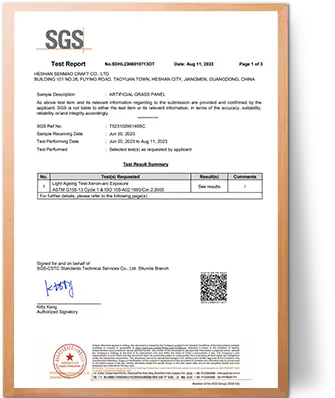
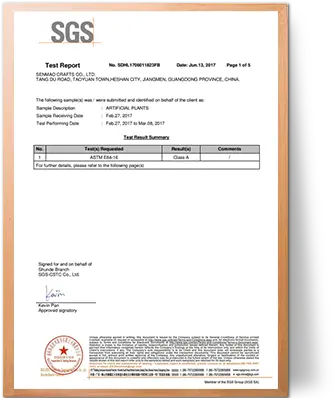
  • Fire-Retardant Additives (FR): For interior designs and high-rise facades, safety is paramount. High-end PE formulations feature halogen-free flame retardants (HFFR). This allows the final foliage to meet strict fire-safety certificates, achieving ASTM E84 Class A ratings or EN 13501-1 Class B-s1, d0 standards. These standards verify that the material does not feed flame propagation and releases low, non-toxic levels of smoke.
  • Bionic Design & Structural Integrity: Modern PE manufacturing processes allow for complex physical shapes. Using high-precision steel molds, factories can replicate the complex biological details of real foliage—including leaf thickness, vein patterns, and variable color tones. This ensures an authentic appearance while maintaining high structural strength.

Technical Advantages of Engineered PE Foliage

Our raw materials and manufacturing methods are designed to meet strict commercial performance requirements.

ASTM E84 Fire Protection

Our engineered flame-retardant PE masterbatch is integrated during extrusion, providing lasting Class-A/B1 fire resistance that won't wash away in wet conditions.

Resource Optimization

Provides a water-free greening solution that requires no maintenance, liquid chemicals, or expensive electrical systems, delivering a return on investment within 18 months.

Extended Product Lifespan

Tested in certified weather chambers to withstand up to 5,000 hours of continuous UV exposure, ensuring performance for 5+ years in outdoor settings.

About Heshan Senmao Craft Co., Ltd.

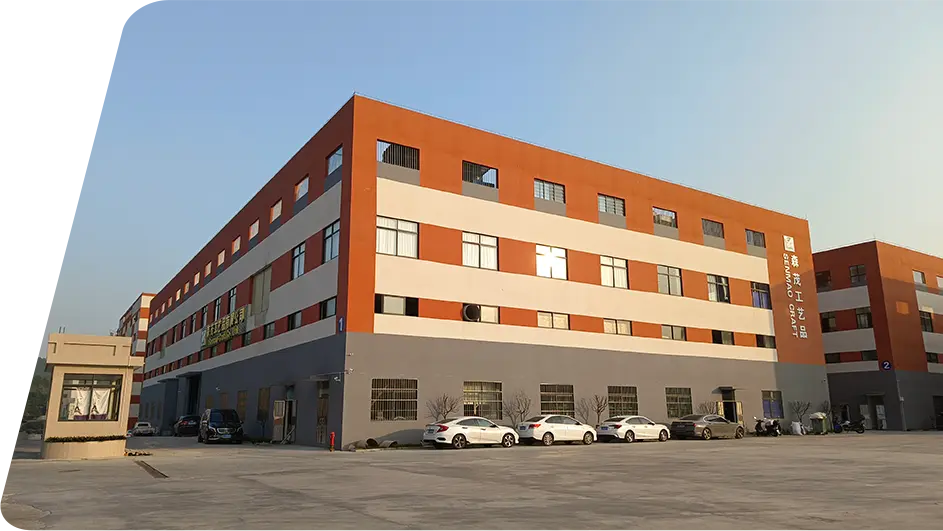
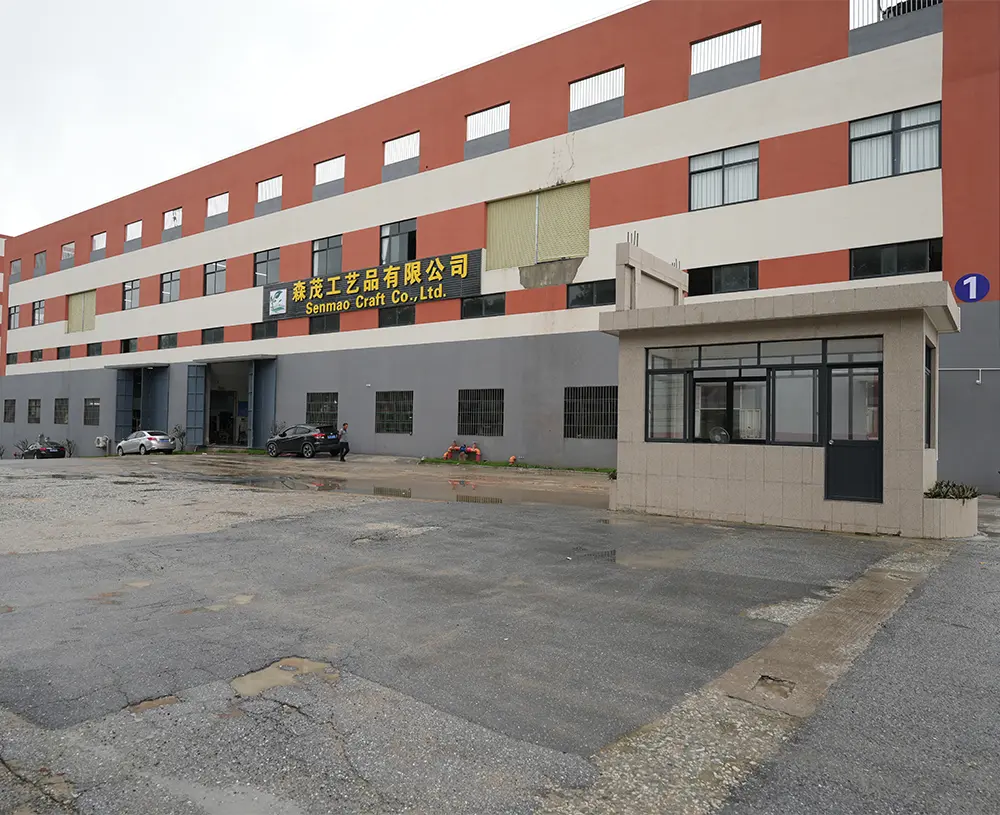
Located in the manufacturing center of Heshan, Guangdong, China, Heshan Senmao Craft Co., Ltd. has established itself as an innovative manufacturer in the artificial plants market. Leveraging our horticultural expertise, our facility specializes in the design and production of high-performance artificial greenery.

Our product range is designed to meet diverse architectural needs, spanning large artificial trees, custom bonsai, dense grass balls, grass boards, structural obelisks, and flower baskets. We deliver comprehensive greening solutions for commercial spaces, public venues, and premium residential designs worldwide.

Verified Quality Standards & Compliance

Our commitment to ethical manufacturing and sustainable production is backed by recognized international certifications:
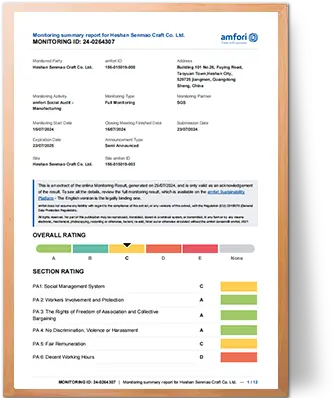
  • BSCI Audited Factory
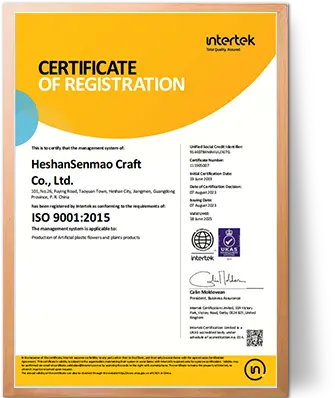
  • ISO9001 Quality Management
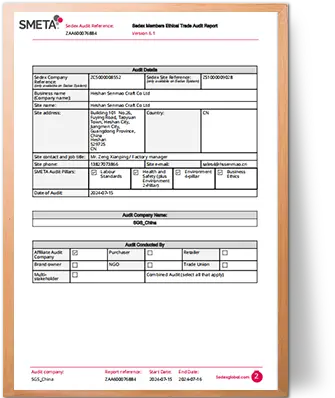
  • Sedex Certification
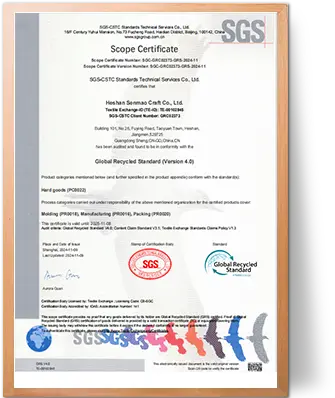
  • GRS Certification
  • Material Testing
  • Certification Standard
Heshan Senmao Production Facility
High Quality Faux Greenery Wall Production

Section 3: Supply Chain Resilience and Manufacturing Scale in Guangdong

In the high-volume wholesale market, product quality must be matched by supply chain reliability. Guangdong's industrial cluster provides access to raw polymer suppliers, advanced machinery manufacturers, and deep-water shipping lanes. Heshan Senmao Craft Co., Ltd. utilizes these local advantages to ensure consistent production capacity and reliable international logistics.

Our factory manages every step of production, from raw PE formulation and injection molding to final grid assembly and packaging. By centralizing these processes, we reduce manufacturing bottlenecks and maintain strict quality control. This allows us to handle large-volume orders for global distributors while ensuring consistent density, foliage thickness, and color matching across production batches. Additionally, our proximity to major port hubs like Guangzhou, Shenzhen, and Hong Kong helps minimize transit times and optimize freight costs for international shipments.

Section 4: Customization Capabilities & Bionic Engineering

Standard green wall options often fall short of meeting the needs of modern architectural designs. We offer customizable artificial plant walls tailored to specific environmental and design challenges. Our production capabilities cover a wide range of specialized bionic species, including:

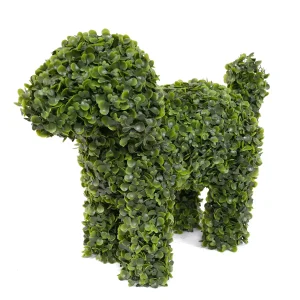
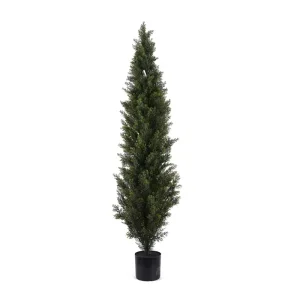
  • Cypress and Boxwood Topiaries: Ideal for structured, geometric designs that require clean profiles and high leaf density.
  • Tropical Foliage (Monstera/Turtle Leaf, Banana, Fan Palm): Designed to create bold, textured vertical designs that add depth and a natural feel to commercial spaces.
  • Structural Topiaries (Spiral, Obelisk, Cedar): Ideal for entryway designs and architectural accents that require a clean, modern aesthetic.
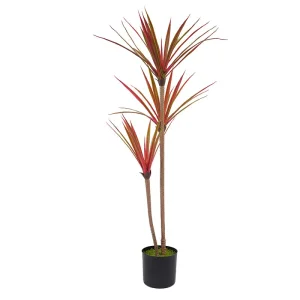
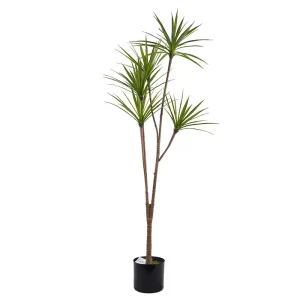
  • Faux Olive Trees & Dracaena Accents: Designed to replicate natural plant structures, making them suitable for high-end hospitality, retail, and corporate installations.

By adjusting raw materials, base grid dimensions, and leaf configurations, our technical team works with buyers to develop custom vertical systems. These solutions meet both local safety codes and specific design requirements.

100%
Pure Virgin Polyethylene
5,000h
UV Chamber Stability Tested
BSCI
Ethical Factory Certification
Class A
ASTM E84 Fire Rating

Section 5: Localized Application Scenarios & Environmental Adaptation

Synthetic PE plant walls are designed to perform reliably in environments where living plants face significant survival challenges. Below are typical applications across global commercial sectors:

  • High-UV Arid Zones (Middle East & Australia): In regions with extreme sunlight and temperatures exceeding 45°C, living green walls require high water consumption and frequent plant replacement. Our UV-stabilized PE panels resist thermal degradation and fading, providing a durable green facade without the water demand.
  • Extreme Cold climates (Nordic Regions & Canada): Freezing temperatures can damage the root systems of living vertical gardens. Engineered PE walls remain flexible in sub-zero temperatures, preventing cracking or structural failure during cold seasons.
  • Urban Commercial Interiors (Atriums & Retail Centers): Indoor spaces often lack the natural light and airflow needed for living plants. PE plant walls offer a green aesthetic that is free from allergens, soil-borne pests, and chemical runoff, supporting healthy indoor environments.
  • Public Transit Hubs & Infrastructure: Train stations, airports, and highway barriers benefit from the acoustic absorption and visual softness of PE vertical walls, helping create more welcoming public spaces.

Section 6: Technological Roadmap: The Future of Bionic Greenery

Our commitment to product development focuses on improving both environmental sustainability and material performance. The technology roadmap for our next-generation PE products includes three main initiatives:

  1. GRS-Certified Recycled Polymers: We are refining our formulations to increase the use of post-consumer recycled PE without compromising tensile strength or UV stability, helping support circular economy goals.
  2. Lotus-Effect Nanocoatings: We are testing hydrophobic coatings that allow dust and pollen to wash off with standard rainfall, reducing the need for manual cleaning on large outdoor facades.
  3. Bio-Based Polyethylene: Our research team is evaluating plant-derived polymers (such as ethanol derived from sugarcane) to offer a renewable material option that reduces dependence on fossil resources.

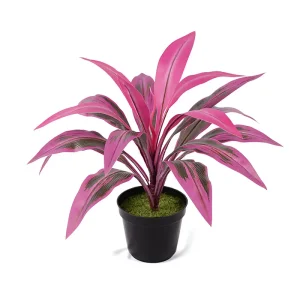
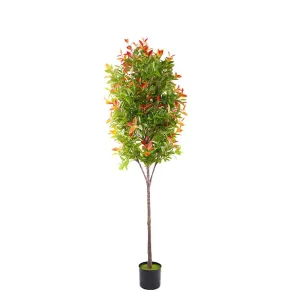
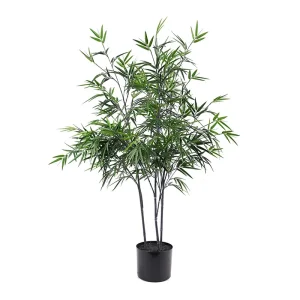
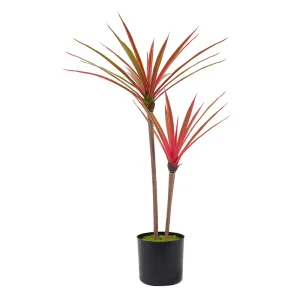
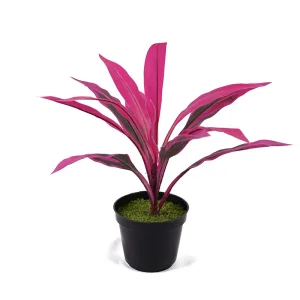
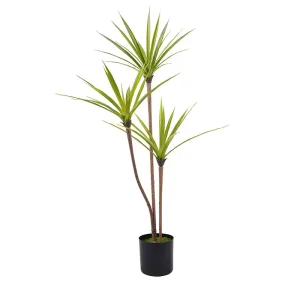
Advanced Bionic Potted Plants & Dense Shrubbery

Precision-molded indoor and outdoor greenery solutions. Designed to meet commercial requirements for realistic texture and structural durability.

Technical Q&A / Frequently Asked Questions

In-depth responses to common engineering, procurement, and deployment questions for project managers and landscape contractors.
Q1: What is the expected lifespan of PE plant walls in high-UV regions?
Our high-density PE plant panels are manufactured with integrated UV stabilizers, including Hindered Amine Light Stabilizers (HALS). In regions with high solar radiation, such as the Middle East and Australia, these panels are designed to maintain their structural integrity and resist significant fading for 5+ years. Under less intensive indoor or shaded conditions, the material lifespan can extend beyond 8 to 10 years.
Q2: How do your plant walls perform under local fire safety building codes?
Our fire-retardant panels incorporate halogen-free flame-retardant additives during the initial extrusion phase. This process ensures the flame-retardant properties are distributed evenly throughout the material, so they do not wash off in outdoor conditions. Our panels are tested to meet ASTM E84 Class A ratings and EN 13501-1 Class B-s1, d0 standards, making them suitable for commercial interiors, high-rise balconies, and public egress paths.
Q3: Can these panels withstand strong winds in outdoor applications?
Yes. The backing of our PE grass walls features a flexible, high-density polymer grid. This design allows wind to pass through the mesh backing, reducing wind resistance. For high-rise installations or windy locations, we recommend anchoring the grid panels to a secure structural frame using corrosion-resistant fasteners or stainless steel ties.
Q4: Do your products meet environmental and chemical safety standards?
Yes, our products are manufactured to meet strict international environmental guidelines. Our PE foliage is free from heavy metals, lead, and volatile organic compounds (VOCs). We maintain BSCI and ISO9001 certifications, and our recycled options comply with the Global Recycled Standard (GRS) to support sustainability initiatives.
Q5: What are the lead times for custom OEM/ODM production runs?
Standard production runs for established catalog styles typically take 15 to 25 days, depending on order size. For custom designs that require new tooling or specific foliage patterns, the process takes approximately 35 to 45 days. This timeline includes CAD modeling, prototype validation, and final manufacturing runs. Our factory's location in Guangdong enables efficient shipping access through Guangzhou and Shenzhen ports.