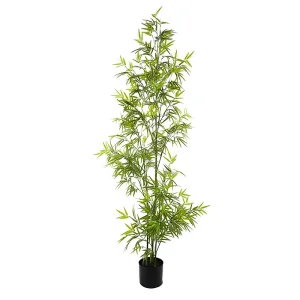
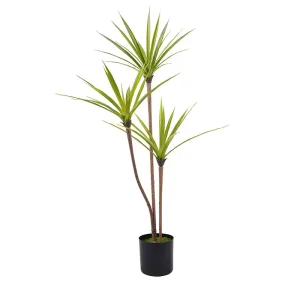
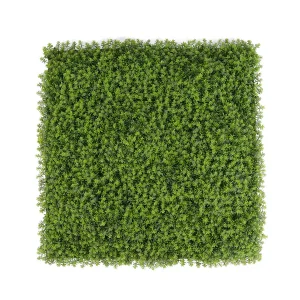
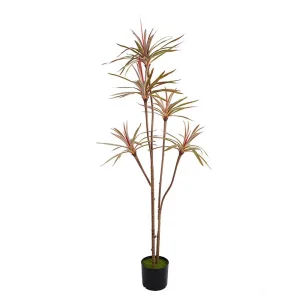
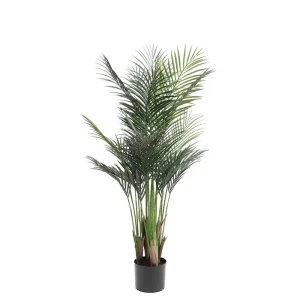
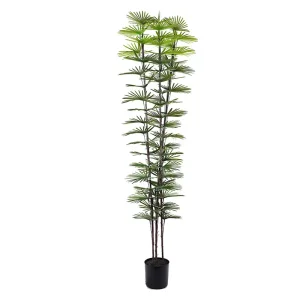
Engineered architectural foliage designed for global commercial distribution and high-end residential applications. Fully customizable specifications, high-fidelity materials, and certified structural performance.
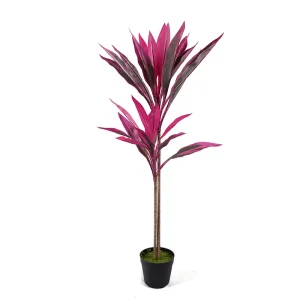
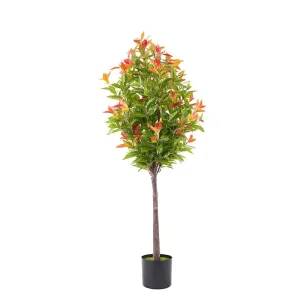
The global artificial plants market has experienced a significant paradigm shift. Historically regarded as simple, low-cost home ornaments, synthetic foliage has emerged as a key component of modern biophilic design across commercial, hospitality, and high-end residential real estate. Valued at over $2.5 billion USD and growing at a stable CAGR, the industry is driven by structural changes in urban planning, interior architecture, and sustainable commercial operations.
Today's Wholesale Plastic Plants for Home sector is no longer defined by low-grade plastics. Instead, it is led by advanced polymer chemistry that integrates UV stabilizers, flame retardants, and bio-based resins. B2B buyers—ranging from large-scale importers and landscape designers to multinational home decor retailers—increasingly demand high-performance products that mimic botanical structures down to the cellular texture while offering decades-long durability without maintenance costs.
With urbanization intensifying, access to natural sunlight in high-density office towers and multi-family residential complexes is restricted. This limitation, combined with the rising costs of irrigation, soil treatment, and horticultural labor, makes artificial plants a financially sound and design-flexible alternative. By choosing high-quality synthetic greenery, property managers and commercial designers achieve the psychological and aesthetic benefits of biophilic environments without the associated operational liabilities.
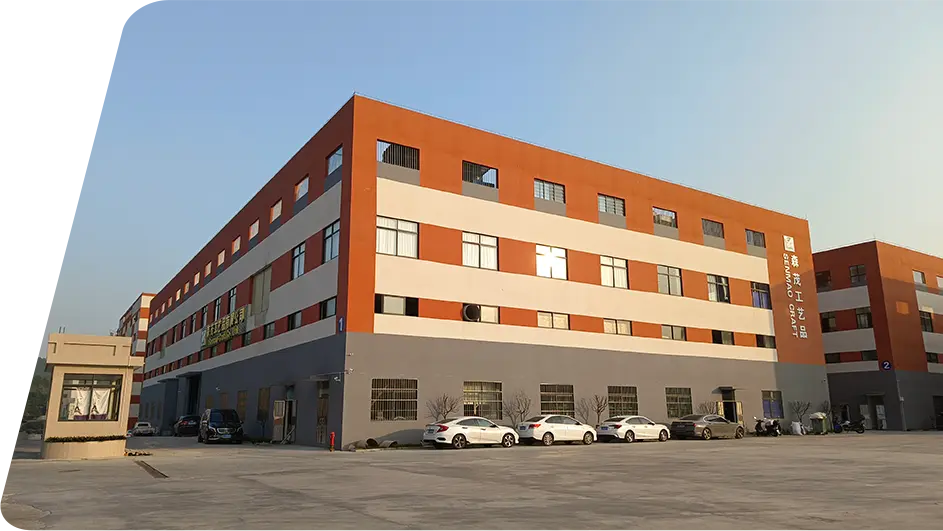
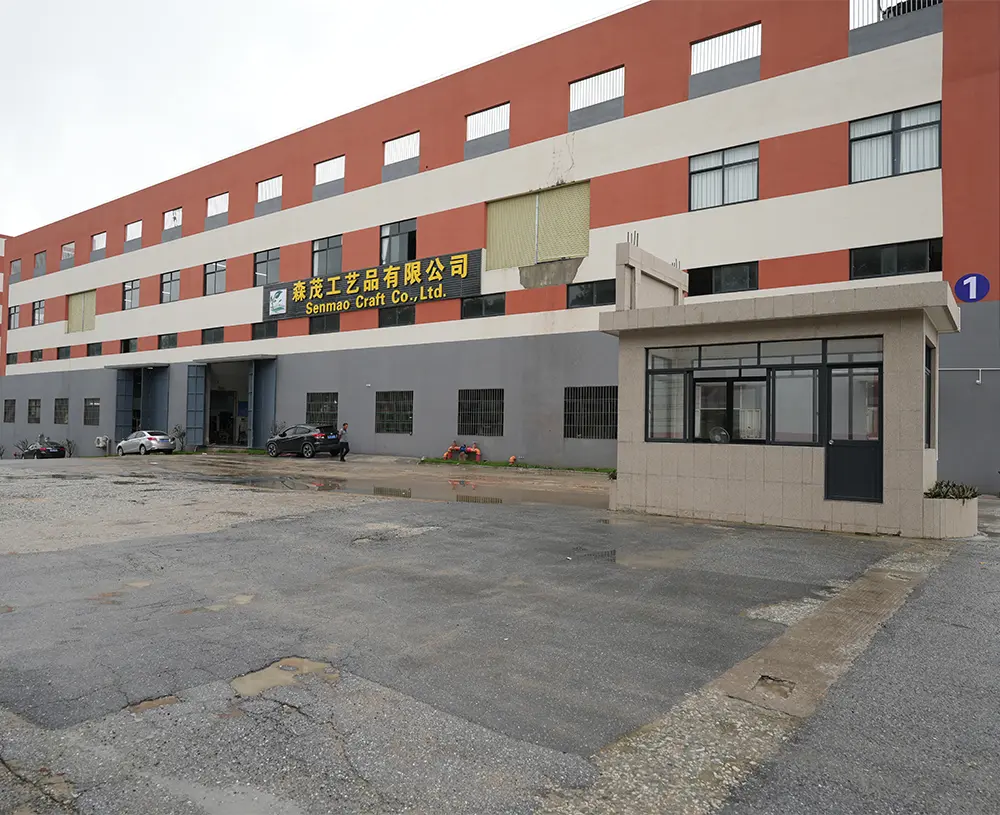
Guangdong province, particularly the industrial cluster of Heshan, stands as the global epicenter for artificial botanical engineering. Heshan Senmao Craft Co., Ltd., situated in this vibrant manufacturing region, represents the pinnacle of Chinese manufacturing efficiency and technological innovation in the horticultural sector.
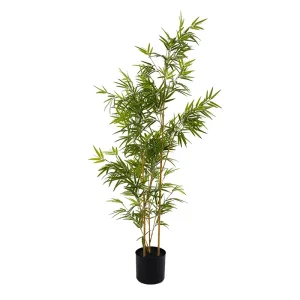
The concentration of raw material processors, mold fabrication shops, and specialized chemical engineers in Guangdong enables factories to turn custom CAD designs into physical molds within days. Our factory has mastered the production of an extensive assortment of synthetic botanicals. From stately plant trees and meticulously crafted bonsai to charming grass balls, practical grass boards, structural obelisks, and vibrant flower baskets, our capability covers the entire spectrum of decorative greenery.
The Chinese manufacturing advantage lies in the integration of three core pillars:
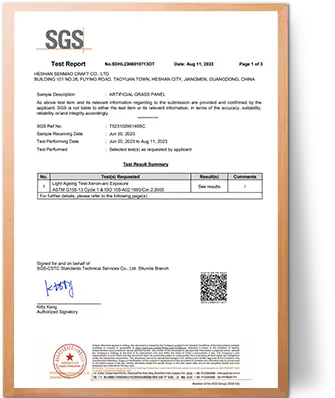
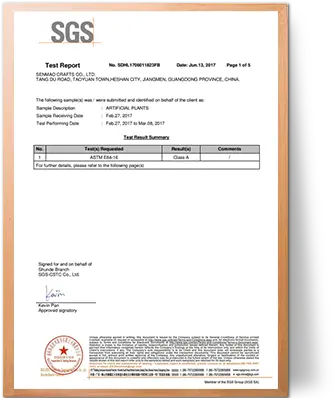
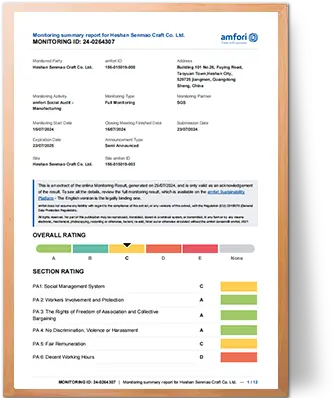
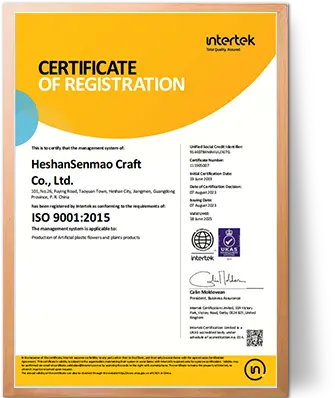
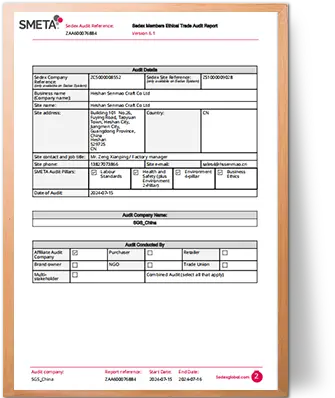
For modern B2B buyers and institutional investors, purchasing decisions must align with strict environmental, social, and governance (ESG) standards. Heshan Senmao's commitment to quality and sustainability is verified by our compliance with recognized global frameworks. We hold prestigious certifications including BSCI (Business Social Compliance Initiative), ISO9001 (Quality Management Systems), Sedex (Ethical Supply Chain Audit), and GRS (Global Recycled Standard).
These certifications demonstrate our commitment to ethical labor, clean production facilities, and traceable supply chains. By using post-consumer recycled polymers certified under the GRS, we reduce carbon footprint while maintaining the tensile strength and aesthetic qualities of virgin plastic. Our clients can confidently integrate our products into projects aiming for LEED or BREEAM certifications.

Choosing the right synthetic plants requires understanding the physical stresses of the destination environment. Heshan Senmao offers tailored polymer formulations for different applications:
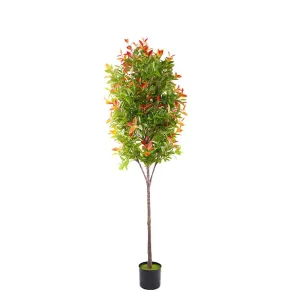
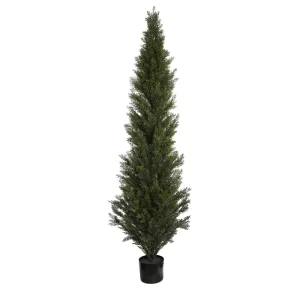
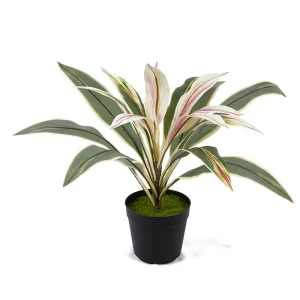
Our product line features an array of customizable artificial plants, including the graceful cypress, the tropical banana, the unique turtle, the spiral-shaped beauty, the fan palm with its distinctive silhouette, the striking tiger plant, and classic olive trees. Each product is designed with our customers' aesthetic preferences and functional requirements in mind.
Looking ahead, several key trends are shaping the future of the wholesale plastic plants industry:
Historically, plastic plants were easily identified by their unnatural shine. Today, advanced liquid polyurethane (PU) and PEVA blends allow manufacturers to print botanical textures directly onto leaf surfaces. These materials replicate the velvety feel of tropical foliage and the waxy coat of ficus leaves, creating highly convincing natural representations.
Enterprise clients are increasingly requiring suppliers to offer end-of-life recycling programs or utilize ocean-bound plastics. Integrating recycled polymers back into structural backings (such as green wall grids and internal stems) helps retailers meet corporate zero-waste-to-landfill targets.
Sourcing large volumes of plastic plants from China requires careful planning around product design, tooling, logistics, and quality assurance. To ensure a smooth process, consider these key steps:
For custom projects, always request a 3D rendering or physical prototype. Evaluating a sample helps confirm the leaf structure, branch density, and trunk color before starting volume production.
Ensure your contract specifies the exact material used (e.g., UV-stabilized PE, flame-retardant PP, or PEVA). Matching the material to the installation environment prevents premature product wear.
Large artificial trees can take up significant container space. Specifying detachable branches and compressed leaf packings helps optimize container space, lowering per-unit transport costs.
Detailed answers to common technical, manufacturing, and logistical questions from professional buyers.
Explore our second selection of high-fidelity synthetic botanicals, designed for durability and ease of installation in residential and commercial settings.



 Senmao garden