
The global demand for modular landscaping materials, specifically snap together grass mats, has seen an unprecedented surge over the past five years. Driven by rising urban density, severe weather events associated with climate change, and the universal push towards low-maintenance, water-conserving spatial design, artificial turf tiles have transitioned from a niche residential product to a critical architectural specification item.
According to industrial supply surveys, the global synthetic turf market is growing at a compound annual growth rate (CAGR) of over 6.8%. Crucially, the segment representing modular, interlocking tiles represents the fastest-growing niche. B2B procurement managers, landscape architects, and municipal development firms are increasingly prioritizing modular tiles due to their significant advantages in transit efficiency, installation speed, and ease of localization. By using localized snap-connect designs, large commercial developments can reduce labor costs associated with traditional synthetic turf installation by up to 60%.
Currently, the global manufacturing center of gravity for high-grade polymeric synthetic grass panels lies in the Guangdong province of China, with the Heshan region serving as a primary cluster. This localized concentration provides immense advantages for international wholesale importers:
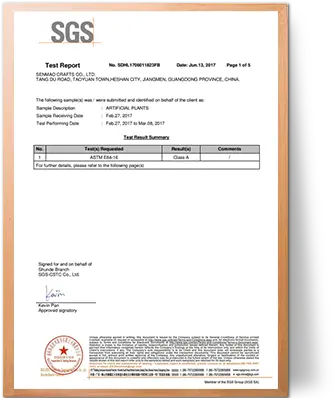
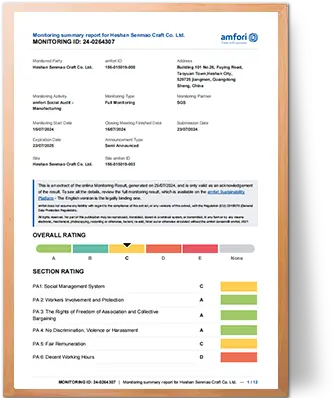
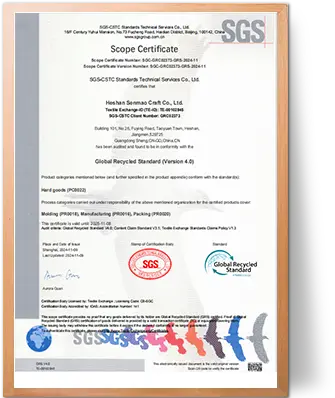
As global regulatory frameworks tighten, importers are no longer evaluating manufacturers based solely on price per square meter. To qualify for tender bids in Europe, North America, and Australia, materials must align with stringent ecological and performance guidelines. Key performance variables include the *Global Recycled Standard* (GRS) for circular economy compliance, the *Business Social Compliance Initiative* (BSCI) for human rights protection in production, and standard EN/ASTM flame retardancy ratings for indoor installations.
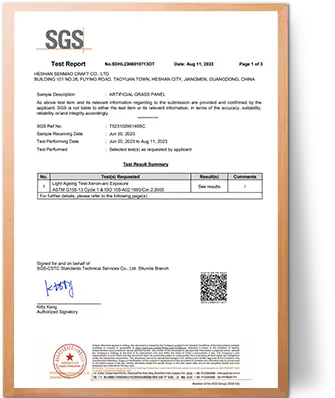
The resilience of snap together grass mats relies on the chemical purity of the raw resin. Premium grass blades are constructed using 100% virgin Polyethylene (PE) blended with high-grade Polypropylene (PP) monofilaments. UV stabilizers, specifically Hindered Amine Light Stabilizers (HALS), are co-extruded directly into the polymer blend. This chemical fortification prevents photo-oxidation under direct sunlight, avoiding fiber brittleness and retaining colorfastness over extended exposures (tested up to 3,000 hours under simulated xenon arc weathering).
The bottom grid of an interlocking grass mat acts as both the load-bearing foundation and the drainage mechanism. Superior factories implement a grid structure featuring specialized spacing, maximizing airflow and water runoff. With a hydraulic discharge capacity exceeding 60 liters per minute per square meter, these structures prevent moisture accumulation underneath. This rapid drainage mitigates the risk of sub-surface mold, mildew, and unpleasant odors, which are common issues in damp climates.
A critical challenge for plastic snap-together tiles is thermal expansion. When exposed to temperature shifts ranging from -20°C to +60°C, inferior polymers expand and buckle. High-quality snap interlocking designs integrate minor expansion joints inside the lock mechanism. This allows the grass panels to expand and contract naturally without warping or pulling apart. Tensile lock testing ensures each interlocking point can withstand up to 150 Newtons of shear force.
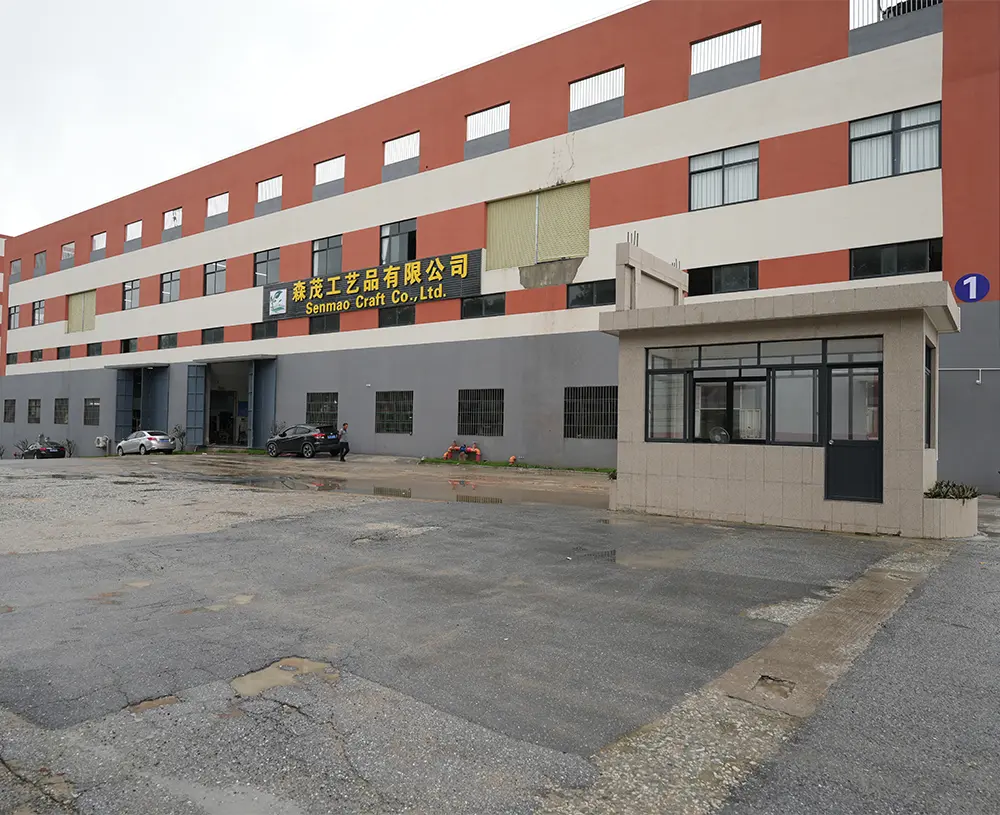
Located in the industrial city of Heshan, Guangdong, China, Heshan Senmao Craft Co., Ltd. has established itself as an innovative, high-capacity manufacturer of artificial plants, greenery, and outdoor spatial solutions. With decades of manufacturing heritage, we blend classical craftsmanship with automated production processes.
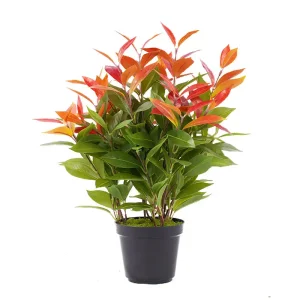
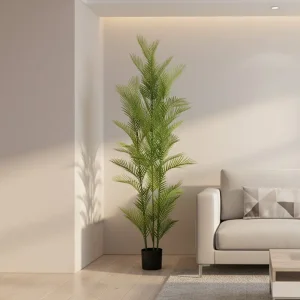
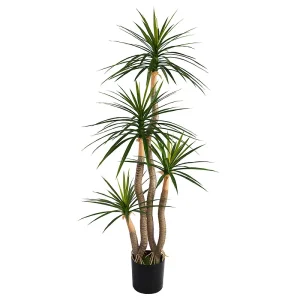
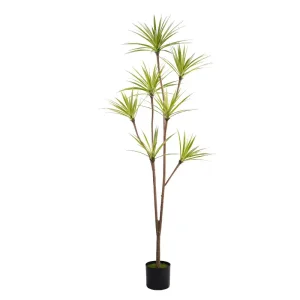
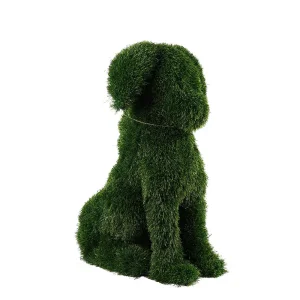
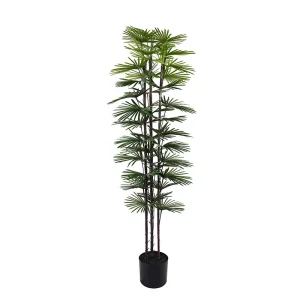
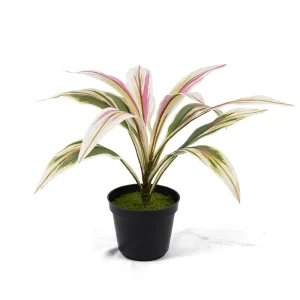
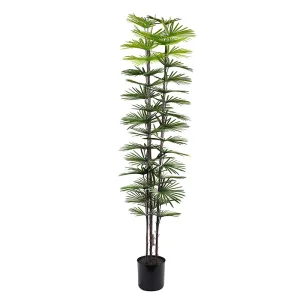
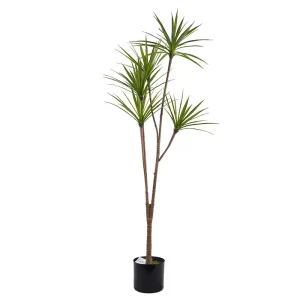
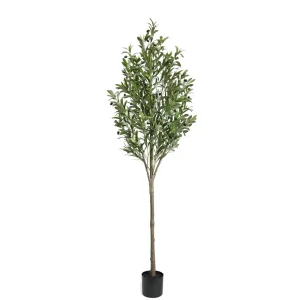
Our production capabilities extend far beyond standard items. We specialize in producing an expansive assortment of artificial plants including custom cypress, tropical banana, unique turtle, spiral-shaped beauty, fan palm, tiger plant, and olive trees. From delicate indoor bonsai to massive commercial-grade grass panels, we ensure every detail mirrors natural aesthetics while exceeding international performance criteria.
All our synthetic foliage products are built to be highly UV-resistant, fire-resistant, and chemically stable, meaning they require zero watering or fertilizing. By selecting our advanced bionic greenery, modern enterprises make a conscious choice for a cleaner, greener, and more sustainable future.
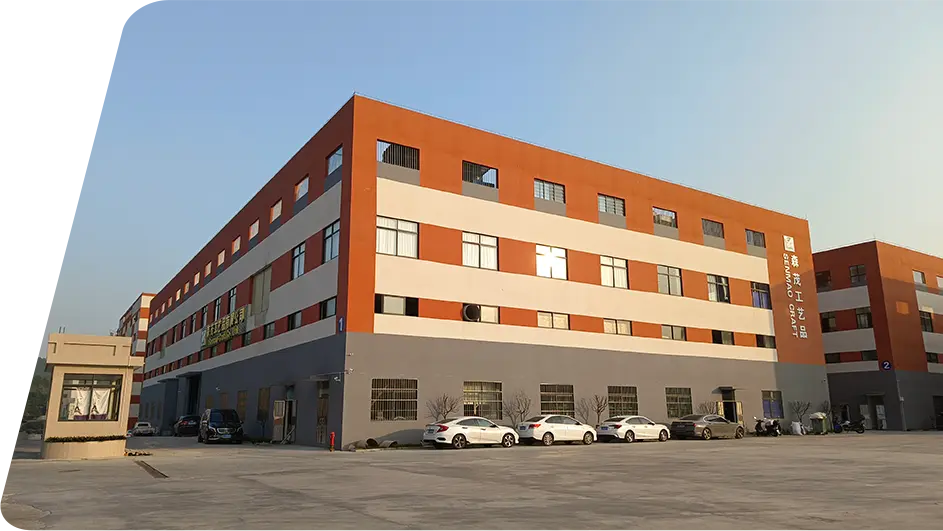
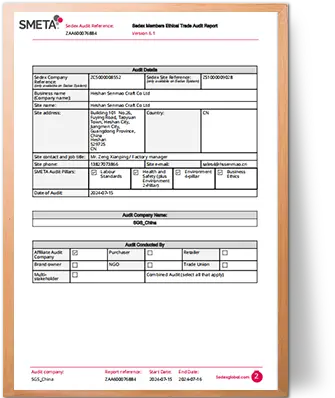
We believe in transparent, compliant, and ethical manufacturing. Our factories hold globally recognized certifications that validate our sustainability claims.

Urban heat island effects are encouraging municipalities to mandate green roofs. Interlocking grass panels are ideal because they require no soil preparation, distribute load weight evenly, and integrate drainage paths. High-rise developments utilize these mats to transform bare concrete rooftops into green community spaces.
For exhibition designers, time is money. Typical heavy roll artificial turf requires cutting, gluing, and extensive setup times, making them single-use items. Snap together grass mats can be quickly assembled without tools, dismantled in minutes, and packed compactly into standard containers for reuse, reducing event footprint and material waste.
Animal boarding facilities face sanitation challenges with standard artificial turf. Liquid waste can penetrate the backing and cause bacterial growth. Advanced interlocking tiles allow rinse water and sanitizers to flow freely underneath, facilitating daily cleaning and ensuring high hygiene standards.
The commercial landscape is steering away from petrochemical-derived plastics. The future of snap together grass mats belongs to bio-derived polyethylene synthesized from sugarcane waste, as well as marine-recycled nylon sourced from ocean waste networks. Forward-looking manufacturers are retooling their machinery to process PCR (Post-Consumer Recycled) plastic, aligning products with the EU Taxonomy and GRS standards. Selecting a manufacturer with active GRS certification ensures your supply chain stands up to future carbon import border taxes.
Before committing to container-level volumes, ensure the manufacturer's testing protocols cover the following parameters:

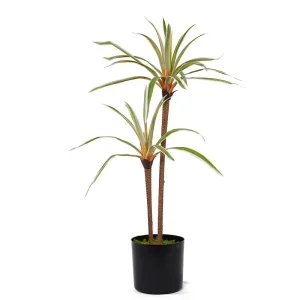
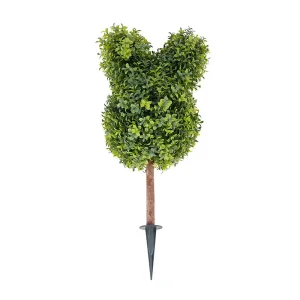


 Senmao garden