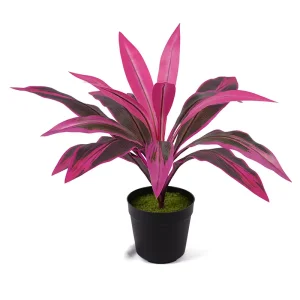

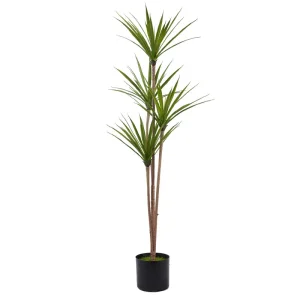
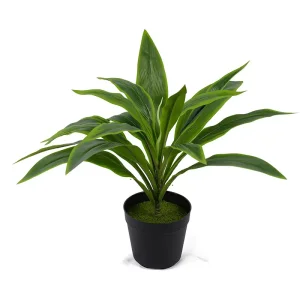
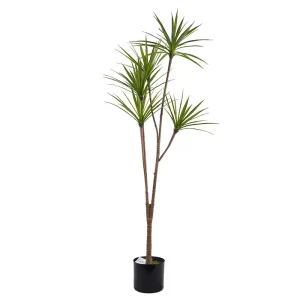
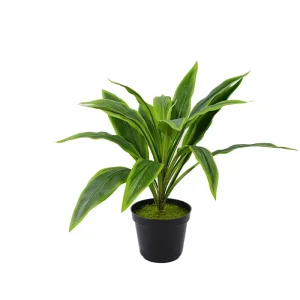
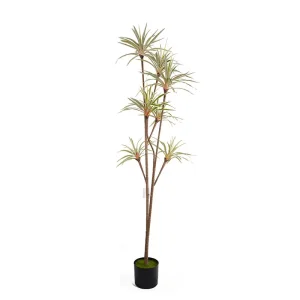
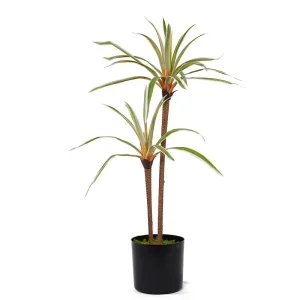
The global demand for high-performance synthetic greenery solutions has transitioned from a niche architectural accent to a core component of modern structural design, urban landscaping, and commercial real estate optimization. Driven by intense urbanization, macro-environmental shifts, and the escalating costs of water utilities and maintenance labor, real estate developers, municipal corporations, and enterprise entities are prioritizing synthetic alternatives. According to recent market intelligence, the global artificial plants and faux foliage market is projected to witness a compound annual growth rate (CAGR) exceeding 6.2% over the next decade.
In high-exposure outdoor settings, ultraviolet (UV) degradation stands as the single greatest point of failure for synthetic polymers. The industrial and commercial sectors no longer tolerate standard, low-grade plastic panels that color-fade, turn brittle, and crack within a single seasonal cycle. Consequently, procurement protocols now systematically mandate "UV-resistant" classification verified through rigorous testing profiles. High-tier artificial greenery panels function not only as aesthetic fixtures but as integrated building envelopes that provide acoustic insulation, reduce local urban heat-island indices, and optimize visual comfort for building occupants.
"Modern architectural biophilia represents a calculated union between human visual comfort and material engineering. High-performance UV-stabilized synthetic panels offer the sensory benefits of organic growth without the associated hydrological footprint or continuous operational expenditure."
To understand the necessity of specialized UV stabilizers in synthetic foliage, one must evaluate the degradation pathway of untreated plastics. Solar radiation, specifically ultraviolet wavelengths ranging from 290 to 400 nanometers, triggers a process known as photo-oxidation. When polymer chains (such as Polyethylene, Polypropylene, and Polyurethane) absorb UV energy, they enter excited states, generating free radicals that rapidly break down carbon-carbon chemical backbones. This structural breakdown presents visually as chalking, surface discoloration, loss of mechanical elasticity, and overall structural disintegration.
At our advanced manufacturing facilities, we employ Hindered Amine Light Stabilizers (HALS) coupled with high-grade UV absorbers directly into the initial masterbatch extrusion process. Unlike superficial spray-on UV coatings that wash away under atmospheric moisture and rain, our proprietary compound integration ensures that the UV inhibitor is distributed uniformly throughout the entire cross-section of the synthetic leaf and backing structure.
UV-inhibiting chemical formulas are blended natively into the high-grade Polyethylene (PE) raw chips. This molecular-level shielding guarantees persistent UV and weather resistance for up to 8 years under severe outdoor exposures.
Our raw material formula is optionally enriched with halogen-free, non-toxic flame retardants, allowing our panels to successfully pass stringent ASTM E84 Class A fire safety trials and European EN 13501 compliance criteria.
Batch samples undergo rigorous accelerated aging chambers (ASTM G154 / ISO 4892-3 protocols) simulating high heat, moisture, and concentrated UV dosage to verify color fastness before scaling factory production.
Established as a world-class manufacturing authority in the horticultural crafts sector, Heshan Senmao Craft Co., Ltd. is strategically located in the industrial manufacturing hub of Heshan, Guangdong, China. Over decades of systematic expansion and technical refinement, our corporate operation has developed a comprehensive product portfolio designed to address the complex visual demands of global commercial markets.
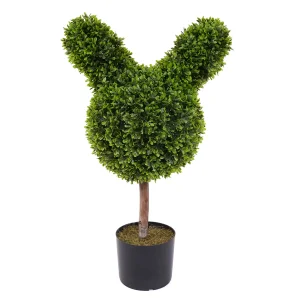
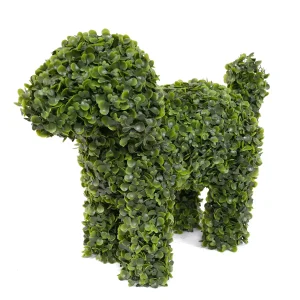
Our core catalog ranges from majestic plant trees and meticulously styled artificial bonsai to engineered grass balls, functional grass boards (panels), architectural obelisks, and bespoke flower baskets. Every single product line represents a convergence of aesthetic authenticity, high polymer durability, and environmentally conscious material choice. We prioritize the integration of highly custom features including UV protection, high fire-performance ratings, and low chemical off-gassing.
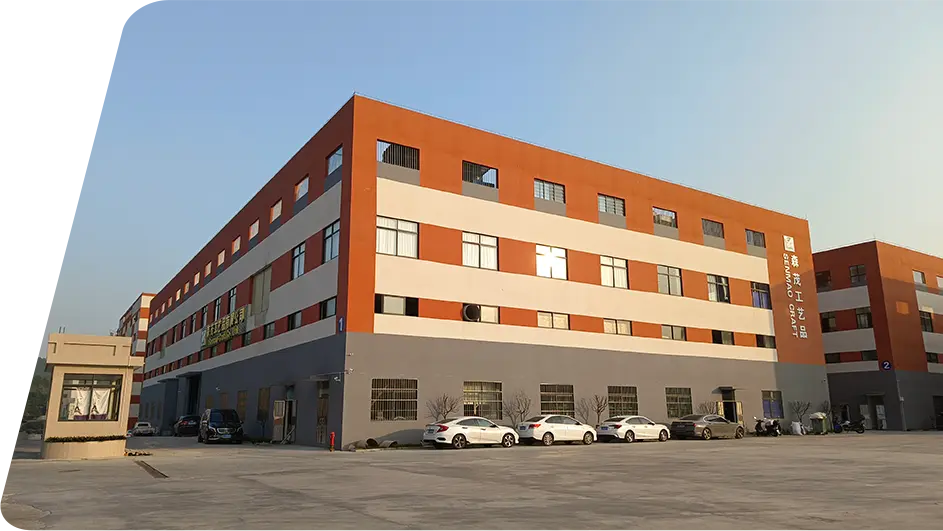
Our commitment to manufacturing sustainability, human rights, and quality systems is audited continuously by neutral third-party agencies. We hold verified compliance frameworks ensuring ethical labor and eco-responsible logistics.
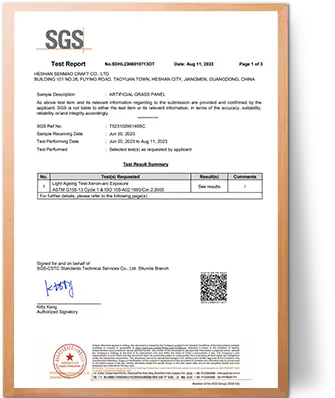
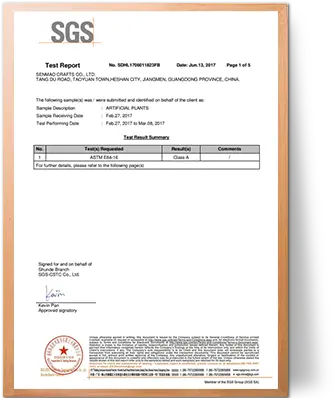
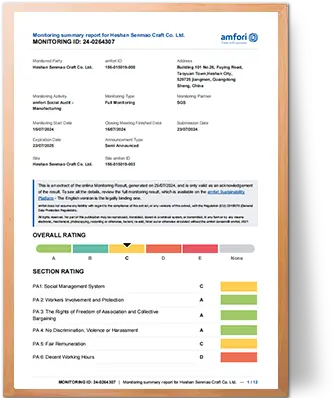


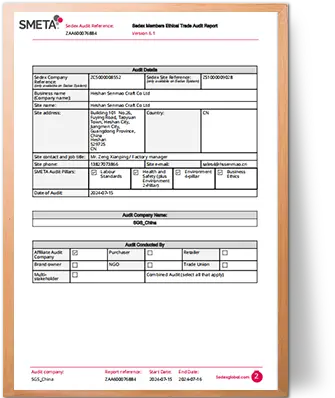
For international sourcing directors and enterprise procurement managers, purchasing directly from a high-capacity factory in Guangdong, China offers significant cost-to-quality advantages. China's manufacturing clusters, particularly in the Pearl River Delta, feature unique ecosystems of specialized raw material chemical suppliers, automated precision tooling manufacturers, and advanced logistical networks.
At Heshan Senmao, this integration manifests as shortened lead times, precision quality control, and extensive OEM/ODM capability. While small-scale regional manufacturers rely on outdated manual molding systems, our facility incorporates high-throughput automated injection molding machinery. This technology guarantees dimensional accuracy, uniform leaf distribution, and a highly secure connection between the foliage elements and the base grids, avoiding leaf loss during shipment and installation.
Additionally, our proximity to the major global shipping ports of Shenzhen and Guangzhou reduces transit costs and accelerates delivery timelines. This enables us to respond dynamically to large-scale hospitality, municipal, or retail projects requiring thousands of custom turf panels on short notice.
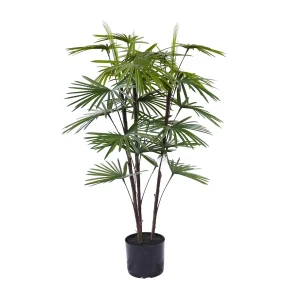
We maintain an extensive library of injection molds and foliage varieties, including cypress, banana, turtle, spiral patterns, fan palm, tiger plants, and olive trees. Designers can mix leaf species on single panels to match project requirements.
Our manufacturing practices are verified by systematic audits. This compliance makes us a reliable partner for public corporations and global retailers with strict supply chain codes of conduct.
Through our GRS (Global Recycled Standard) certification, we offer product configurations using post-consumer recycled plastics, helping global projects meet LEED and BREEAM building certifications.
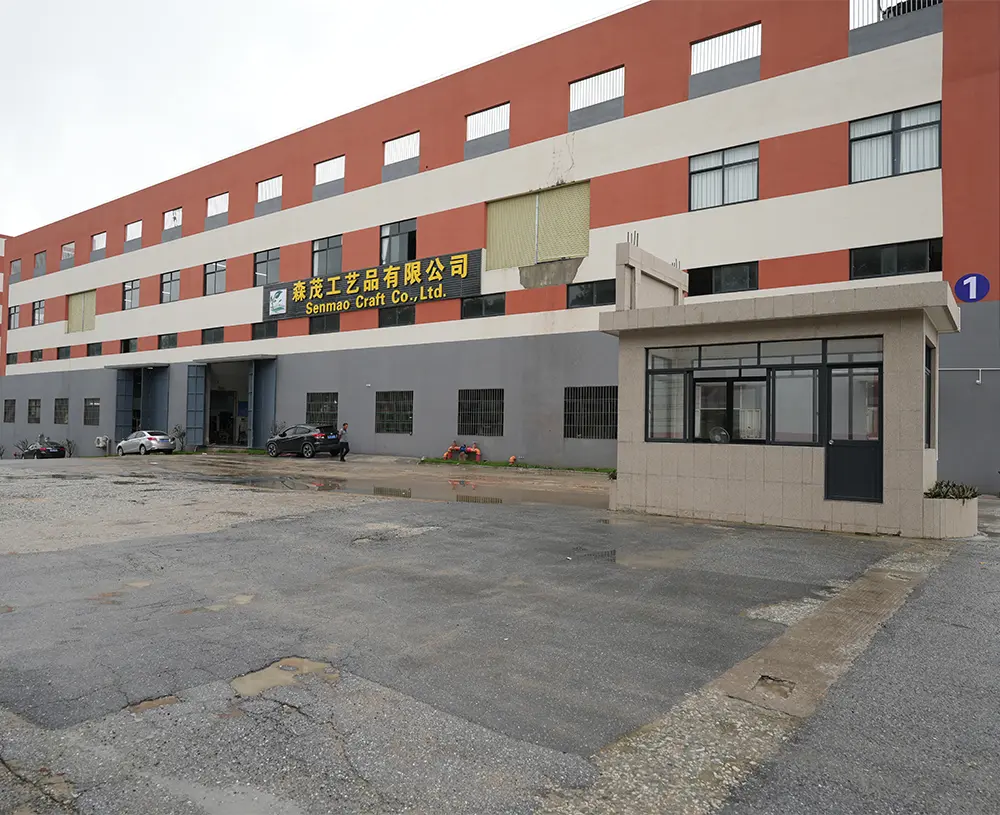
The versatility of UV-resistant artificial panels allows them to be specified across diverse architectural styles and climates.
In **arid regions** like Australia and the Middle East, our UV-resistant foliage provides consistent green accents for hotel exteriors and commercial facades where high temperatures make natural irrigation unsustainable.
In **high-humidity regions** like Southeast Asia, our synthetic panels resist mold and rot, offering a clean, low-maintenance solution compared to natural green walls that require complex pesticide and fertilizer schedules.
In **temperate urban environments**, designers utilize our foliage for indoor shopping malls, airport terminals, and office buildings. These panels require zero irrigation or specialized indoor growth lighting, reducing building operating costs and avoiding water damage risks near electrical systems.
As architecture moves toward net-zero targets, the synthetic foliage industry is adapting through material innovation. We are focusing on two key developmental trends:
The industry is transitioning toward single-polymer construction. By manufacturing both the backing grid and the foliage from the same Polyethylene base, the entire panel can be fully recycled at the end of its service life without the need for manual material separation.
Architects are combining artificial green panels with living plants. Known as hybrid green walls, this approach places living plants in easy-to-reach irrigation zones and durable UV-stabilized faux panels in high, hard-to-maintain areas. This balances natural aesthetics with cost-effective maintenance.
Here are direct answers to common technical, material, and commercial questions from global buyers and landscape architects regarding our wholesale synthetic foliage panels.
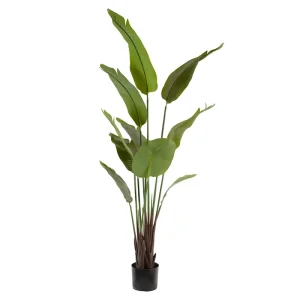
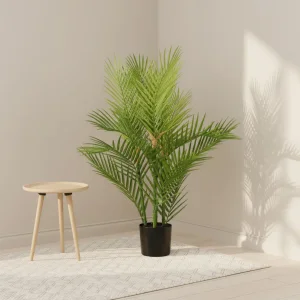
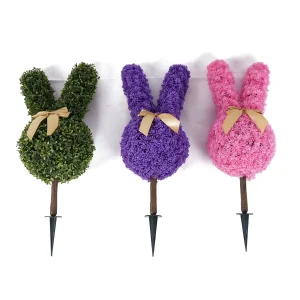

 Senmao garden