Architectural-grade exterior vertical plants engineered for high mechanical load, UV persistence, and extreme weather resilience.


An in-depth analysis of polymer stability, supply-chain resilience, and structural testing standardizations for commercial biophilic installations.
In modern architecture, the integration of green spaces is no longer a luxury but an essential component of sustainable structural design. The rapid urbanization of global metropolises, coupled with rising surface temperatures, has triggered an unprecedented demand for biophilic design elements. Among these, weatherproof grass panels have transitioned from superficial indoor decorations to high-performance, load-bearing facade systems capable of mitigating urban heat island effects.
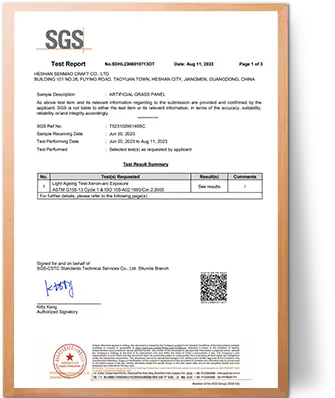
Historically, artificial grass panels were constructed using cheap polyvinyl chloride (PVC) formulations that degraded rapidly under solar radiation. Exposure to ultraviolet (UV) light caused the polymer chains to break down via photolysis, leading to color fading, embrittlement, and microplastic shedding. Today's commercial-grade weatherproof grass panels leverage advanced polyethylene (PE) and polypropylene (PP) copolymer matrices, infused with Hindered Amine Light Stabilizers (HALS). This evolution ensures that vertical gardens maintain structural elasticity, colorfastness, and physical integrity for over a decade in extreme environments.
Procurement managers and landscape architects must evaluate several technical dimensions before approving a wholesale supplier. A high-quality weatherproof grass panel consists of a multi-layer design optimized for water drainage, structural stability, and wind resistance.
First, the Backing Grid must be constructed from engineering-grade polypropylene with high tensile strength. This grid serves as the structural foundation, supporting the bionic foliage. It requires built-in thermal expansion loops to account for material expansion and contraction during day-to-night temperature fluctuations. Second, the Foliage Attachments must be secured using ultrasonic welding or heavy-duty snap-fits to prevent shedding under wind speeds exceeding 120 km/h. Third, Material Chemistry must integrate non-toxic pigments and UV stabilizers throughout the polymer core, ensuring uniform protection even when the surface of the leaves undergoes physical wear.
The production of commercial-grade synthetic foliage has undergone a paradigm shift in manufacturing methodology. Modern Chinese factories have integrated Factory 4.0 standards, transitioning from manual assembly lines to automated injection molding, centralized compounding, and smart warehousing systems.
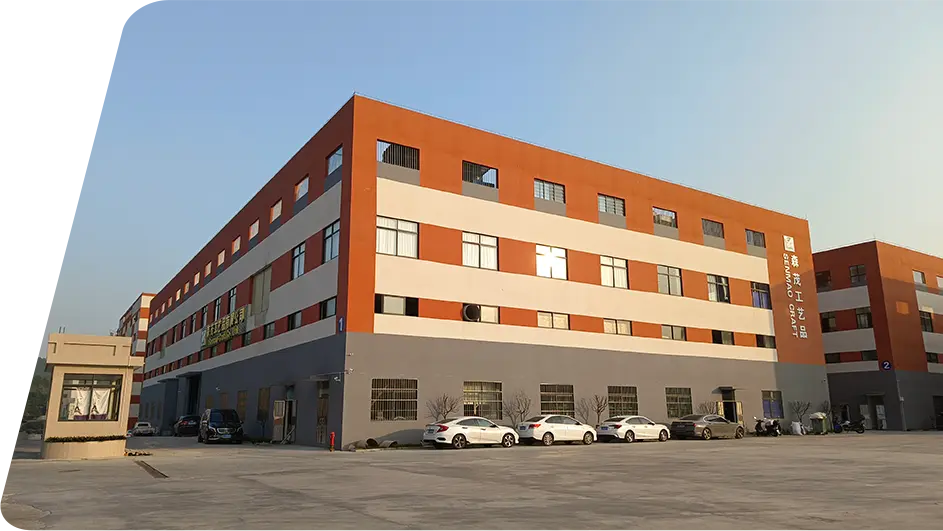
By consolidating the raw material supply chain within regional industrial hubs (such as Guangdong), manufacturing leaders like Heshan Senmao Craft Co., Ltd. can guarantee raw material purity and consistency. This vertical integration allows factories to run real-time quality control checks on the molten polymer before extrusion. Automated compounding systems precisely control the percentage of UV-blocking additives and flame retardants down to the micro-gram. This eliminates batch-to-batch variability, which is a major concern when purchasing from smaller, non-integrated suppliers. Furthermore, automated tension-testing systems continuously verify the pull-out force of the bionic leaves, assuring high mechanical reliability.
The applications of weatherproof grass panels extend far beyond simple residential gardens. Urban developers and interior designers utilize these systems to achieve LEED certifications and optimize building energy efficiency.
In the Hospitality Sector, large exterior green walls provide a natural, welcoming facade for luxury hotels and resorts. By blocking direct sunlight from hitting concrete walls, synthetic foliage reduces thermal transfer into the building, leading to lower HVAC energy consumption. In Retail and Shopping Complexes, artificial green facades create visually engaging environments that increase dwell time and boost brand perception. Public Infrastructure Projects, such as acoustic highway barriers, utilize weatherproof grass panels to absorb sound waves while introducing greenery to concrete-dense environments. Because these installations do not require irrigation, chemical fertilizers, or physical weeding, they deliver an unparalleled Return on Investment (ROI) compared to live plant installations.
When specifying grass panels for localized climates, engineering adjustments are critical to ensuring product longevity. Suppliers must customize polymer formulations based on geographic conditions.
For example, in Hyper-Arid Environments (such as the Middle East or Southwestern United States), the priority is maximum UV stability and thermal resilience. Here, panels require higher concentrations of HALS (Class 1 ratings) to withstand constant solar bombardment and temperatures reaching up to 50°C. Conversely, in Sub-Zero Arctic Environments (Northern Europe, Canada), polymers must remain flexible at -40°C without cracking under physical stress or heavy snow loads. In Coastal Regions, the backing grid and metal mounting structures must resist saltwater corrosion. Standard fasteners are replaced with 316-grade stainless steel or corrosion-resistant composite rivets.
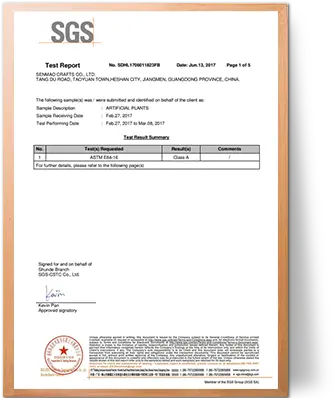
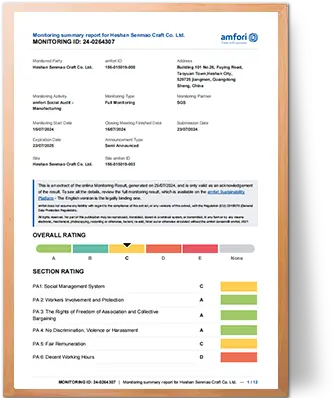
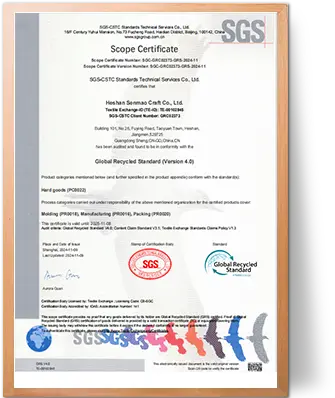

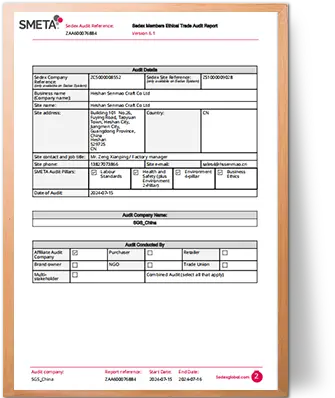
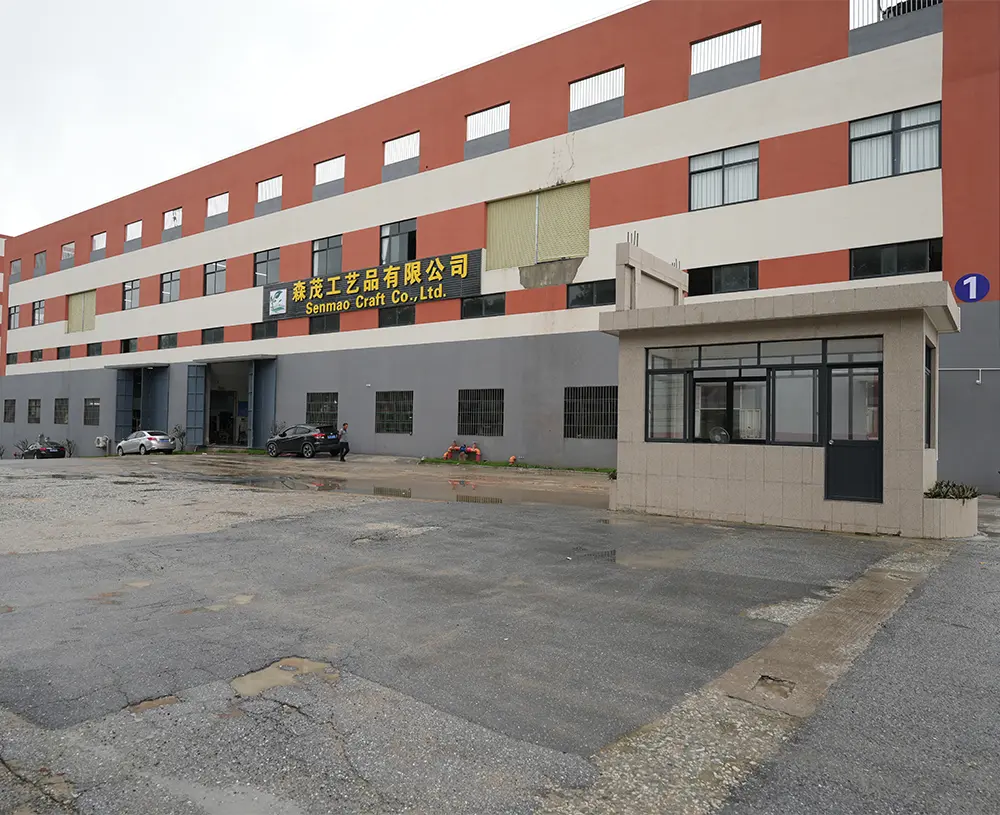
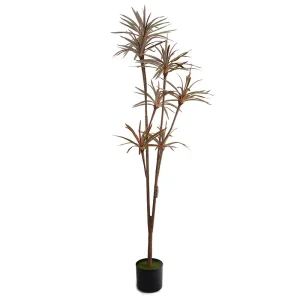
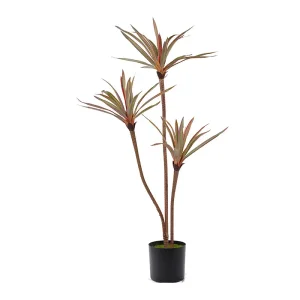
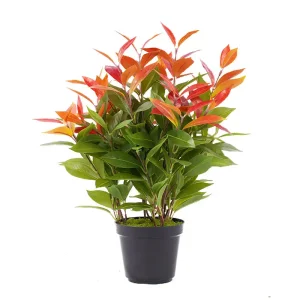
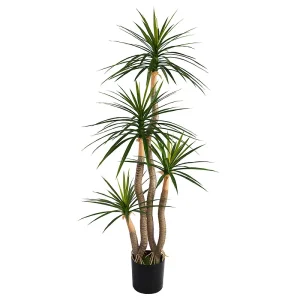
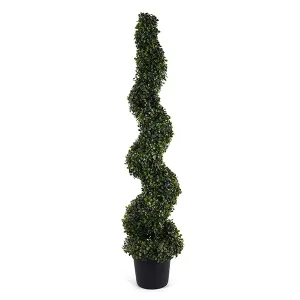
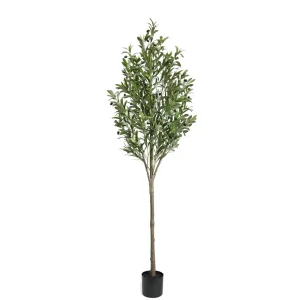
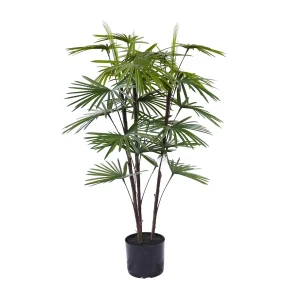
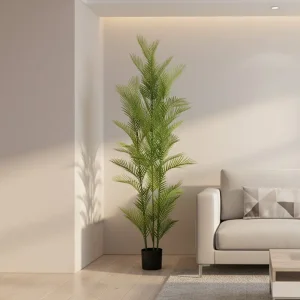
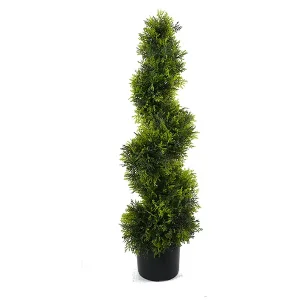
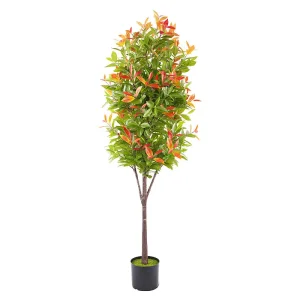
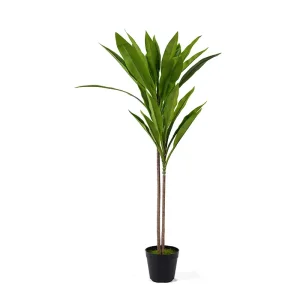
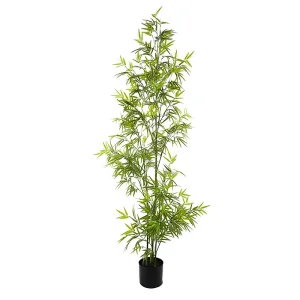
This means that when you choose our products, you are not only enhancing the aesthetic appeal of your space but also making a conscious choice for a greener and more sustainable future. Our product line features an array of customizable artificial plants, including the graceful cypress, the tropical banana, the unique turtle, the spiral-shaped beauty, the fan palm with its distinctive silhouette, the striking tiger plant, and the classic olive trees. Each product is meticulously designed, taking into careful consideration our customers' aesthetic preferences and functional requirements. Whether it's for a cozy residential setting, adding a touch of nature to a bustling commercial space, or enhancing the ambiance of a public area, our artificial plants are the perfect choice. Moreover, our artificial plants are endowed with remarkable features. They are UV-resistant, ensuring their colors remain vivid and true even under the harshest sunlight. Their fire-resistant property provides an added layer of safety, making them suitable for various environments. Being environmentally friendly, they require no watering or fertilizing, saving both time and valuable resources.
Browse our extensive selection of weatherproof plants, trees, and custom wall panels manufactured under ISO9001 and BSCI standards.


 Senmao garden